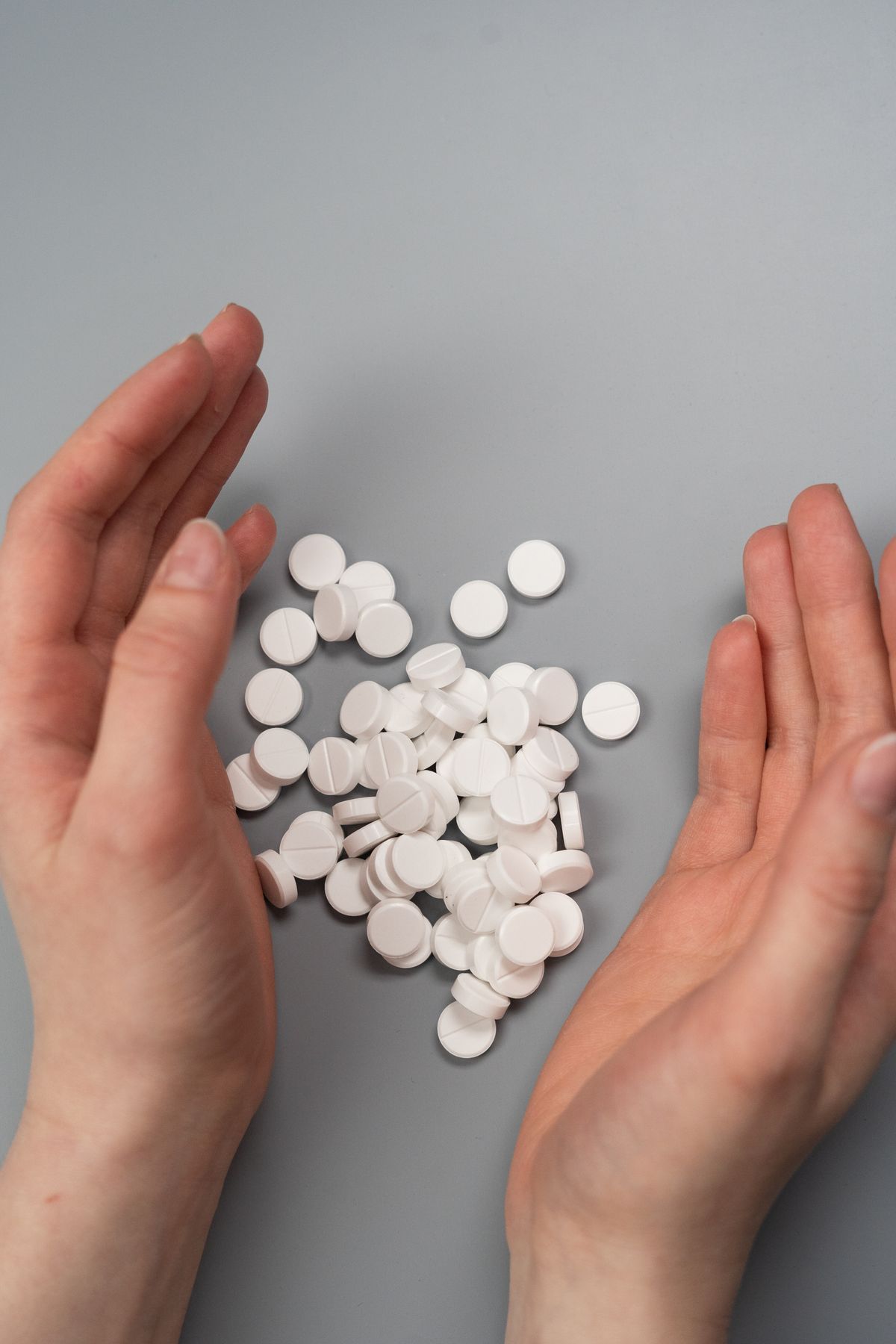

Caflam Tablet Uses, Dosage and Side Effects in Pakistan
- Caflam = diclofenac potassium 50 mg, a fast-acting NSAID for short-term pain relief
- Used for dental pain, headache, period cramps, sports injuries, post-op pain and renal colic
- Faster onset (~30 minutes) than diclofenac sodium (Voltaren), which takes 1–2 hours
- Standard dose: 50 mg 2–3 times daily with food; maximum 150 mg/day; short courses only
- Always take with food; avoid in ulcer history, heart disease, kidney problems and aspirin-sensitive asthma
What Is Caflam?
Caflam is a Pakistani brand name for diclofenac potassium 50 mg, a non-steroidal anti-inflammatory drug (NSAID). Diclofenac is one of the most widely used painkillers in Pakistan and worldwide, valued for its strong, reliable relief of pain and inflammation. What sets Caflam apart from the familiar Voltaren brand is its salt form: Caflam uses the potassium salt, which dissolves and is absorbed faster, giving quicker pain relief.
This makes Caflam particularly suited to acute pain — situations where you want relief as fast as possible, such as a throbbing toothache, a tension headache or menstrual cramps. The active drug, diclofenac, is identical in both Caflam (potassium) and Voltaren (sodium); the difference lies in how quickly the body absorbs it. Because Caflam is an NSAID, it carries the same important precautions around the stomach, kidneys and heart that apply to this whole class of medicines.
| Generic name | Diclofenac potassium |
| Strength | 50 mg tablet |
| Drug class | NSAID (acetic acid derivative), non-selective COX inhibitor |
| Brand in Pakistan | Caflam; related: Voltaren K, Dyclo-P, Difenac-K and others |
| Onset of action | ~30 minutes (faster than diclofenac sodium) |
| Dosing frequency | 2–3 times daily (max 150 mg/day) |
| Take with food | Yes — always, to protect the stomach |
| Pakistan price | ~40–120 PKR per strip (10 tablets) |
How Does Diclofenac Work?
Pain, swelling and fever during injury or illness are driven largely by chemicals called prostaglandins. These are made by an enzyme called cyclo-oxygenase (COX), which has two main forms — COX-1 and COX-2. COX-2 produces the prostaglandins that cause pain and inflammation, while COX-1 makes the prostaglandins that protect the stomach lining and support normal kidney function and blood clotting.
Diclofenac (Caflam) is a non-selective NSAID that blocks both COX-1 and COX-2. By blocking COX-2 it powerfully reduces pain, swelling and inflammation. Blocking COX-1, however, removes some of the stomach's natural protection, which is why diclofenac — like all traditional NSAIDs — can cause indigestion, gastritis and, with heavier or longer use, ulcers and bleeding. This is the reason Caflam must always be taken with food.
The special feature of Caflam is its potassium salt. Diclofenac potassium dissolves more readily in the stomach than diclofenac sodium, so it reaches the bloodstream faster and starts working in about half an hour. This makes it the preferred form when rapid relief of acute pain is the goal.
Caflam Tablet Uses
1. Dental Pain and Post-Extraction Pain
Toothache, dental abscess pain and pain after tooth extraction respond very well to Caflam. Its anti-inflammatory action tackles the swelling around an inflamed tooth or gum, while its fast onset means relief begins within about 30 minutes — a real advantage when dental pain is severe. Dentists in Pakistan commonly recommend diclofenac potassium for short-term control of dental pain, usually alongside any necessary antibiotic treatment for infection.
2. Primary Dysmenorrhoea (Period Cramps)
Period cramps are caused by prostaglandins making the uterus contract strongly and painfully. Because Caflam blocks prostaglandin production, it is highly effective for menstrual pain — often more so than paracetamol. For best results it is taken with food at the first sign of cramps and continued through the first day or two of the period. Many women in Pakistan rely on diclofenac potassium for reliable, fast relief from monthly cramps. If period pain is unusually severe, it is worth seeing a doctor to rule out conditions like endometriosis.
3. Headache and Migraine
Caflam's rapid absorption makes it useful for tension headaches and some migraine attacks, where speed of relief matters. It reduces the inflammatory component of headache pain and can abort a developing headache when taken early. As with all painkillers, it should not be used too frequently for headaches, as overuse of painkillers can itself cause "medication-overuse headache".
4. Sports Injuries and Musculoskeletal Pain
For sprains, strains, muscle injuries, back pain and other soft-tissue trauma, Caflam reduces both pain and swelling, helping recovery and mobility. Its strong anti-inflammatory effect makes it a popular choice for acute injuries. A short course of a few days is usually enough to control the acute phase, after which simpler measures (rest, ice, paracetamol) can take over.
5. Renal Colic (Kidney Stone Pain)
The intense, cramping pain of a kidney stone passing down the ureter (renal colic) responds remarkably well to diclofenac, which is often used in emergency settings for this purpose. By reducing prostaglandin-driven pressure and spasm in the urinary tract, Caflam can provide significant relief. Renal colic should always be assessed by a doctor, as kidney stones may need further investigation and treatment.
Caflam Dosage in Pakistan
| Situation | Dose |
| Adults — acute pain | 50 mg 2–3 times daily, with food |
| Period cramps | 50 mg at onset, then 2–3 times daily for 1–2 days |
| Maximum daily dose | 150 mg per day (three 50 mg tablets) |
| Elderly patients | Lowest effective dose; use with caution (higher GI/kidney risk) |
| Kidney impairment | Avoid or use lowest dose under supervision |
| Children | Not for routine use; only under specialist advice |
| How to take | Always with or after food; swallow whole with water |
| Duration | Short courses only; avoid prolonged daily use |
Important: Caflam is intended for short-term relief of acute pain. It should be used at the lowest effective dose for the shortest possible time. Do not exceed 150 mg per day, and never combine Caflam with another NSAID or with aspirin, as this dramatically increases the risk of stomach bleeding without improving pain control.
Caflam Side Effects
Diclofenac is generally well tolerated for short courses, but as an NSAID it can cause side effects, mainly involving the stomach.
Common:
- Indigestion, heartburn and stomach upset — the most frequent side effect; greatly reduced by taking with food
- Nausea — occasional
- Headache or dizziness — usually mild
- Mild fluid retention — can cause slight swelling, especially with longer use
Less Common / Serious — Seek Medical Help:
- Stomach ulcers and GI bleeding — warning signs include black or tarry stools, vomiting blood or material like coffee grounds, and severe stomach pain; stop the drug and seek care urgently
- Kidney problems — reduced urine output and swelling of the legs; higher risk in dehydration, the elderly and those with existing kidney disease
- Raised blood pressure — diclofenac can worsen hypertension and fluid retention
- Cardiovascular risk — among NSAIDs, diclofenac carries a relatively higher risk of heart attack and stroke with long-term high-dose use; avoid in established heart disease
- Allergic reactions — rash, facial swelling or breathing difficulty; in aspirin-sensitive asthma it can trigger severe bronchospasm
The most important safety steps with Caflam are to take it with food, keep courses short, and stop immediately if you notice signs of stomach bleeding.
Caflam vs Other Painkillers
| Feature | Caflam (Diclofenac K) | Voltaren (Diclofenac Na) | Brufen (Ibuprofen) | Ponstan (Mefenamic Acid) |
| Onset of action | ~30 minutes (fast) | 1–2 hours | ~30–60 minutes | ~1 hour |
| Best for | Acute dental/period/headache pain | Ongoing inflammatory pain | Mild–moderate everyday pain | Period pain, mild pain |
| Strength of relief | Strong | Strong | Moderate | Moderate |
| Stomach risk | Moderate–high | Moderate–high | Lower | Moderate |
| Heart risk | Relatively higher | Relatively higher | Lower | Lower |
Caflam vs Voltaren — Same Drug, Different Salt
Many people in Pakistan ask whether Caflam and Voltaren are the same. Both contain diclofenac, the same active painkiller, but in different salt forms. Caflam is diclofenac potassium, which is absorbed faster and starts working in about 30 minutes — ideal for acute pain you want gone quickly. Voltaren is usually diclofenac sodium, which is absorbed more slowly (1 to 2 hours) and is often chosen for steadier, ongoing inflammatory conditions. The peak strength and overall effect are essentially the same; the practical difference is the speed of onset. Both carry identical NSAID precautions.
Who Should Not Take Caflam
- History of peptic ulcer or GI bleeding — diclofenac can cause or worsen ulcers; avoid or use only with stomach protection under medical advice
- Established heart disease, heart failure or stroke history — diclofenac carries a relatively higher cardiovascular risk and should be avoided
- Kidney disease — NSAIDs reduce kidney blood flow and can cause acute kidney injury
- Aspirin-sensitive asthma — diclofenac can trigger severe bronchospasm
- Uncontrolled high blood pressure — NSAIDs can worsen it through fluid retention
- Pregnancy (especially third trimester) — NSAIDs can harm the developing baby and should be avoided
- Patients on blood thinners — combining with warfarin or aspirin greatly increases bleeding risk
Drug Interactions
Diclofenac interacts with several important medications. Always tell your doctor what you are taking:
- Warfarin and other anticoagulants — markedly increased bleeding risk; avoid the combination
- Aspirin and other NSAIDs — combining NSAIDs sharply raises ulcer and bleeding risk with no added benefit
- ACE inhibitors and diuretics (BP medicines) — NSAIDs reduce their effect and raise the risk of kidney injury
- Corticosteroids (e.g. prednisolone) — additive risk of stomach ulcers
- Lithium and methotrexate — diclofenac can raise blood levels of these drugs to toxic ranges
- SSRI antidepressants — increased bleeding risk when combined with NSAIDs
Dealing with dental pain, period cramps or an injury? Chat with an Ilaaj AI doctor — get safe, fast guidance on pain relief in Urdu or English.
Availability and Cost in Pakistan
Caflam and other diclofenac potassium brands are widely stocked in Pakistani pharmacies, from large chains like D.Watson and Shaheen Chemist to neighbourhood medical stores. Diclofenac is an affordable, off-patent NSAID, and a strip of 10 Caflam 50 mg tablets typically costs between Rs. 40 and Rs. 120 depending on the brand. Related fast-acting brands such as Voltaren K, Dyclo-P and Difenac-K are similarly priced.
Although Caflam is inexpensive and effective, it is still a powerful NSAID with real risks. Use it for short-term acute pain, always with food, never exceed 150 mg a day, and avoid it in heart disease, kidney problems and ulcer history. For anything more than short-term self-care — or if you are unsure whether it is safe for you — check with a doctor first.
Conclusion
Caflam (diclofenac potassium 50 mg) is a fast-acting, effective NSAID that excels at relieving acute pain — dental pain, period cramps, headaches, sports injuries and renal colic. Its potassium salt gives it a quicker onset (around 30 minutes) than the sodium salt found in Voltaren, while delivering the same strong anti-inflammatory action. Like all NSAIDs, it must be taken with food, used at the lowest effective dose for the shortest time, and avoided in people with ulcer history, heart disease, kidney impairment and aspirin-sensitive asthma. Used sensibly and short-term, Caflam is a reliable tool for acute pain; for ongoing or severe pain, speak to a doctor so the right treatment and safety precautions can be put in place.
Frequently Asked Questions
How quickly does Caflam work for pain?
Caflam contains diclofenac potassium, a fast-acting salt that starts relieving pain within about 30 minutes — noticeably faster than diclofenac sodium (Voltaren), which usually takes 1 to 2 hours. This rapid onset is the main reason Caflam is chosen for acute pain such as dental pain, headache or menstrual cramps. Peak pain relief is similar between the two salts; the difference is mainly in how fast it begins.
Is Caflam good for period pain?
Yes — Caflam (diclofenac potassium) is very effective for primary dysmenorrhoea (period cramps). Cramps are caused by prostaglandins that make the uterus contract painfully, and Caflam works by blocking prostaglandin production. For best results, take it with food at the first sign of cramps and continue for the first 1 to 2 days. If period pain is severe or worsening, see a doctor to rule out other causes.
What is the difference between Caflam and Voltaren?
Both contain diclofenac, but in different salt forms. Caflam is diclofenac potassium, which is absorbed faster, giving relief in about 30 minutes — ideal for acute pain. Voltaren is diclofenac sodium, absorbed more slowly (1 to 2 hours) and often used for ongoing inflammatory conditions. The peak effect and overall strength are similar; the key practical difference is speed of onset.
Can I take Caflam on an empty stomach?
No — Caflam should always be taken with or after food. Like all NSAIDs, diclofenac can irritate the stomach lining and cause indigestion, ulcers or bleeding, and this risk is higher on an empty stomach. Taking it with food, or with a stomach-protecting medicine like omeprazole for longer courses, significantly reduces stomach problems. Never combine Caflam with another NSAID or with aspirin.
How many Caflam tablets can I take in a day?
The usual adult dose is one 50 mg tablet 2 to 3 times daily, with a maximum of 150 mg (three tablets) per day, taken with food. Use the lowest effective dose for the shortest time. Exceeding 150 mg per day increases the risk of stomach bleeding, kidney damage and heart problems without adding benefit. If pain is not controlled on the maximum dose, see a doctor rather than taking more.
Ilaaj AI is Pakistan's first AI-powered health platform. Chat about your symptoms in Urdu or English, get AI-powered triage, and receive doctor-verified prescriptions — affordable and accessible, 24/7.
Need Advice About Pain Relief?
Ask PMDC-registered doctors on Ilaaj AI — get a response in 5 minutes, in Urdu or English.