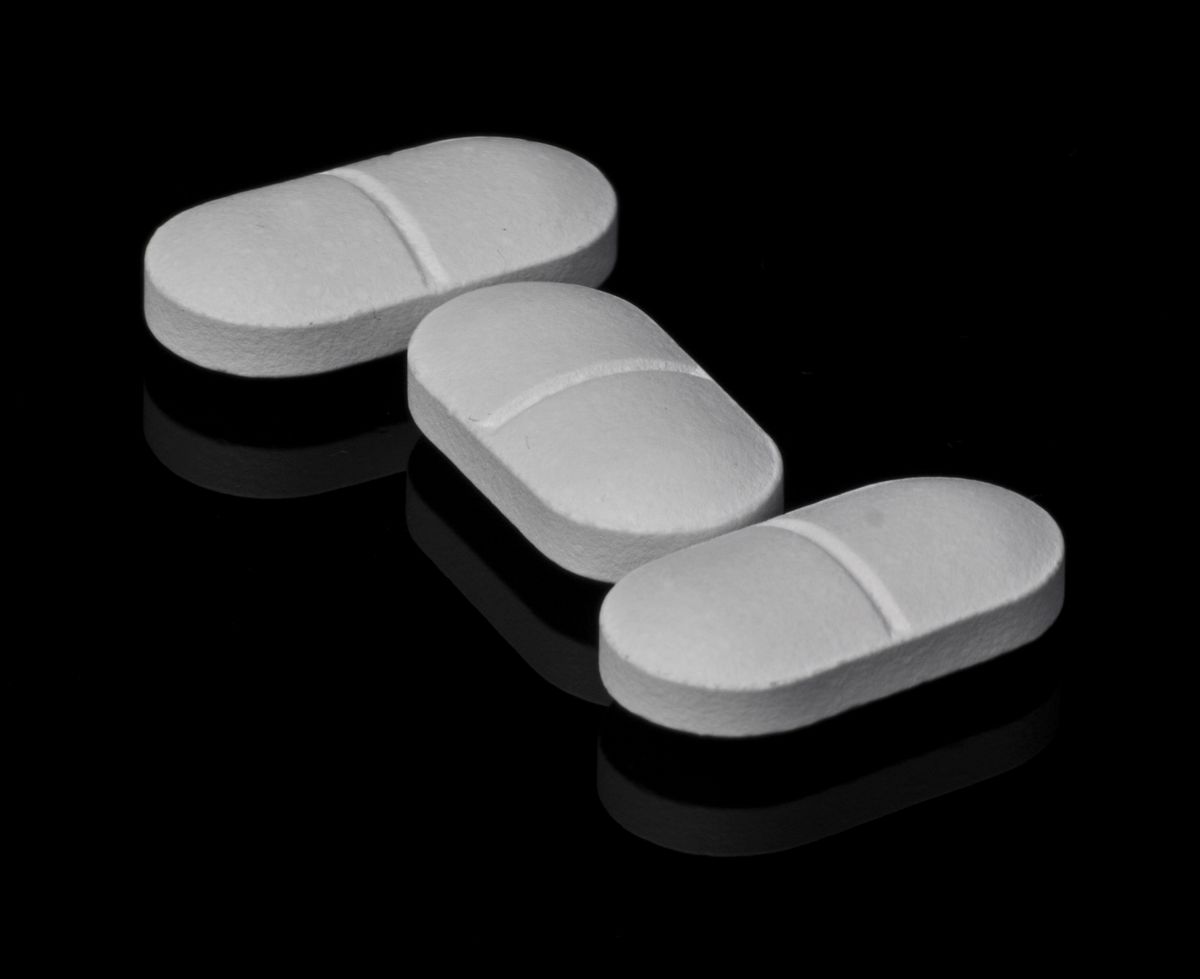

Dicloran Tablet Uses, Dosage and Side Effects in Pakistan
- Dicloran = diclofenac sodium 50mg, a potent NSAID by Searle Pakistan — same drug class as Brufen and Synflex
- Used for arthritis, back pain, shoulder pain, sports injuries, post-surgical pain and dysmenorrhoea
- Always take with food — GI bleeding risk is real; never take on an empty stomach
- Higher cardiovascular risk than most NSAIDs — avoid in heart disease, hypertension, post-cardiac surgery
- NEVER in dengue fever — can trigger life-threatening haemorrhage; only paracetamol is safe in dengue
What Is Dicloran?
Dicloran is the Searle Pakistan brand name for diclofenac sodium 50 mg, a member of the non-steroidal anti-inflammatory drug (NSAID) family. Diclofenac is one of the world's most widely prescribed NSAIDs and has been in clinical use for over 50 years. It works by inhibiting the COX-1 and COX-2 enzymes that produce prostaglandins — the chemical mediators of pain, fever and inflammation.
In Pakistan, diclofenac is available under several brand names (Dicloran, Voltaren, Voveran, Diclofen) and in multiple formulations — 50mg immediate-release tablets, 75mg SR (slow-release) tablets, 100mg suppositories, injections and topical gels. This article focuses on the oral 50mg tablet.
| Generic name | Diclofenac sodium |
| Strength | 50 mg tablet (also available as 75mg SR) |
| Drug class | NSAID (non-steroidal anti-inflammatory drug) |
| Brand in Pakistan | Dicloran (Searle); Voltaren, Voveran, Diclofen also available |
| Dosing | 50mg 2–3 times daily with food (max 150mg/day) |
| Onset of action | ~30–60 minutes (slower than diclofenac potassium/Caflam) |
| Prescription required | Yes — prescription-only NSAID |
| Pakistan price | ~80–150 PKR per strip (10 tablets) |
Dicloran vs Caflam — Sodium vs Potassium Salt
Pakistan patients often confuse Dicloran (diclofenac sodium) and Caflam (diclofenac potassium). Both contain diclofenac, but the salt affects how quickly they work:
- Diclofenac sodium (Dicloran) — slower absorption, sustained plasma levels, better for chronic inflammatory conditions like rheumatoid arthritis and osteoarthritis
- Diclofenac potassium (Caflam) — faster absorption (peak levels in 30 min vs 60 min), better for acute pain — period cramps, dental pain, migraine, renal colic
Both carry identical GI and cardiovascular risks. Neither should be used in dengue, kidney disease, active peptic ulcers or pregnancy third trimester.
Dicloran Uses
1. Osteoarthritis and Rheumatoid Arthritis
The most common chronic indication for diclofenac sodium in Pakistan. Joint pain, stiffness and swelling in osteoarthritis (degenerative) and rheumatoid arthritis (autoimmune) both have significant prostaglandin-mediated inflammation. Dicloran 50mg twice or three times daily reduces pain and improves joint function, though it does not slow disease progression in RA — disease-modifying drugs (DMARDs) are needed for that.
2. Lower Back Pain and Sciatica
Acute mechanical back pain and sciatica are among the most common complaints at Pakistani clinics. Dicloran provides effective analgesia and reduces the muscular inflammation that accompanies acute back injury. For nerve root compression (sciatica), adding a neuropathic pain agent (gabapentin, pregabalin) is often needed alongside an NSAID.
3. Shoulder Pain (Frozen Shoulder, Rotator Cuff Tendinitis)
Shoulder pain from rotator cuff pathology, frozen shoulder (adhesive capsulitis) and subacromial bursitis responds well to diclofenac. In Pakistan, many patients with work-related shoulder injuries benefit from a short course of Dicloran combined with physiotherapy.
4. Sports Injuries and Muscle Sprains
Dicloran is widely used for soft-tissue injuries — ligament sprains, muscle strains, tendinitis and post-exertion muscle soreness. For these acute injuries, a short 3–5 day course with food and adequate hydration is appropriate.
5. Post-Surgical and Post-Procedural Pain
Dicloran is commonly prescribed after dental extractions, minor surgical procedures and orthopaedic operations for short-term analgesia. The 75mg SR formulation is often preferred post-surgically for twice-daily dosing.
6. Ankylosing Spondylitis
Ankylosing spondylitis (AS) — a chronic inflammatory arthritis of the spine — is an approved indication for diclofenac. NSAIDs like diclofenac are first-line symptomatic therapy for AS, and evidence suggests that continuous NSAID use may slow spinal fusion in some patients.
7. Dysmenorrhoea (Period Pain)
While diclofenac potassium (Caflam) is preferred for period pain due to faster onset, diclofenac sodium (Dicloran) also works. For moderate-to-severe period cramps not responding to paracetamol, Dicloran 50mg with food provides effective relief.
Dicloran Dosage in Pakistan
| Indication | Dose |
| Arthritis (osteoarthritis, RA) | 50mg 2–3 times daily with food (max 150mg/day) |
| Back pain, acute musculoskeletal | 50mg 3 times daily for 3–7 days |
| Post-surgical pain | 50mg 3 times daily or 75mg SR twice daily |
| Dysmenorrhoea | 50mg 3 times daily starting at onset of pain |
| Elderly patients (>65 years) | Start at 50mg twice daily; monitor renal function and GI symptoms |
| Children | Not recommended under 14 years for oral tablets |
| Maximum daily dose | 150mg/day (do not exceed) |
Always take with food or milk. For SR (slow-release) tablets, swallow whole — do not crush or chew.
Dicloran Side Effects
Gastrointestinal (Most Common — 10–20% of Users):
- Stomach pain, nausea, dyspepsia (indigestion)
- Gastritis, gastric or duodenal ulcers
- GI bleeding (black or tarry stools, vomiting blood) — serious, stop immediately
- Diarrhoea or constipation
Cardiovascular (Important Safety Warning):
- Increased blood pressure
- Fluid retention / oedema (swelling of ankles)
- Increased risk of heart attack and stroke — diclofenac has a higher cardiovascular risk than most NSAIDs including naproxen and ibuprofen
Renal:
- Reduced urine output, fluid retention
- Reversible acute kidney injury with prolonged use or in dehydrated patients
Hepatic:
- Mild transaminase elevation (common but usually asymptomatic)
- Rare: drug-induced hepatitis — stop if jaundice or significant LFT elevation occurs
Other:
- Headache, dizziness, tinnitus (ringing in ears)
- Skin rash (uncommon)
Who Should NOT Take Dicloran
- Active or history of peptic ulcer, GI bleeding
- Severe heart failure, established heart disease, recent heart attack or stroke
- Severe kidney or liver disease
- Aspirin or NSAID allergy (may trigger severe allergic reaction)
- Pregnancy (especially third trimester — premature closure of ductus arteriosus)
- Dengue fever (absolute contraindication)
Drug Interactions
- Warfarin / blood thinners — increased bleeding risk; avoid or monitor INR closely
- ACE inhibitors / ARBs — reduced antihypertensive effect; increased kidney injury risk
- Lithium — NSAIDs increase lithium levels; risk of lithium toxicity
- Methotrexate — NSAIDs reduce MTX excretion, risk of serious toxicity
- Other NSAIDs or aspirin — additive GI and renal toxicity; do not combine
- Antihypertensives — NSAIDs raise blood pressure; may require dose adjustment of BP medications
Experiencing joint or back pain? Chat with an Ilaaj AI doctor — get a personalised assessment in Urdu or English.
Conclusion
Dicloran (diclofenac sodium 50mg) is an effective anti-inflammatory analgesic for arthritis, back pain, sports injuries and post-surgical pain. However, it carries meaningful GI, cardiovascular and renal risks that require careful patient selection. Always take with food, use the lowest effective dose for the shortest duration, and avoid in heart disease, active ulcers, dengue and pregnancy. If you need long-term NSAID therapy, discuss gastroprotection (omeprazole) and regular monitoring with your doctor.
Frequently Asked Questions
What is the difference between Dicloran and Caflam?
Both contain diclofenac but different salts. Dicloran = diclofenac sodium (slower absorption, better for chronic arthritis). Caflam = diclofenac potassium (faster onset, better for acute period pain or dental pain). Both carry identical GI and cardiovascular risks.
Can I take Dicloran on an empty stomach?
No — always take with food or milk. Diclofenac directly irritates the gastric lining. Empty stomach use significantly increases ulcer and GI bleeding risk. If you see black stools or vomit blood, stop immediately and go to hospital.
How long can I safely take Dicloran?
For acute pain: 3–7 days at the lowest effective dose. For chronic arthritis: ongoing use requires regular monitoring of kidneys, BP and GI symptoms. Never self-medicate with any NSAID for more than 10 days without a doctor.
Can Dicloran be used in dengue fever?
Never. All NSAIDs including Dicloran are absolutely contraindicated in dengue — they inhibit platelet function and can cause life-threatening bleeding. In dengue, only paracetamol (Panadol) is safe.
Is Dicloran safe in heart disease?
No. Diclofenac has a higher cardiovascular risk than most other NSAIDs. Avoid in established heart disease, heart failure and after bypass surgery. Discuss safer pain alternatives (paracetamol, topical NSAIDs) with your cardiologist.
Need Advice About Pain Management?
Ask PMDC-registered doctors on Ilaaj AI — get a response in 5 minutes, in Urdu or English.