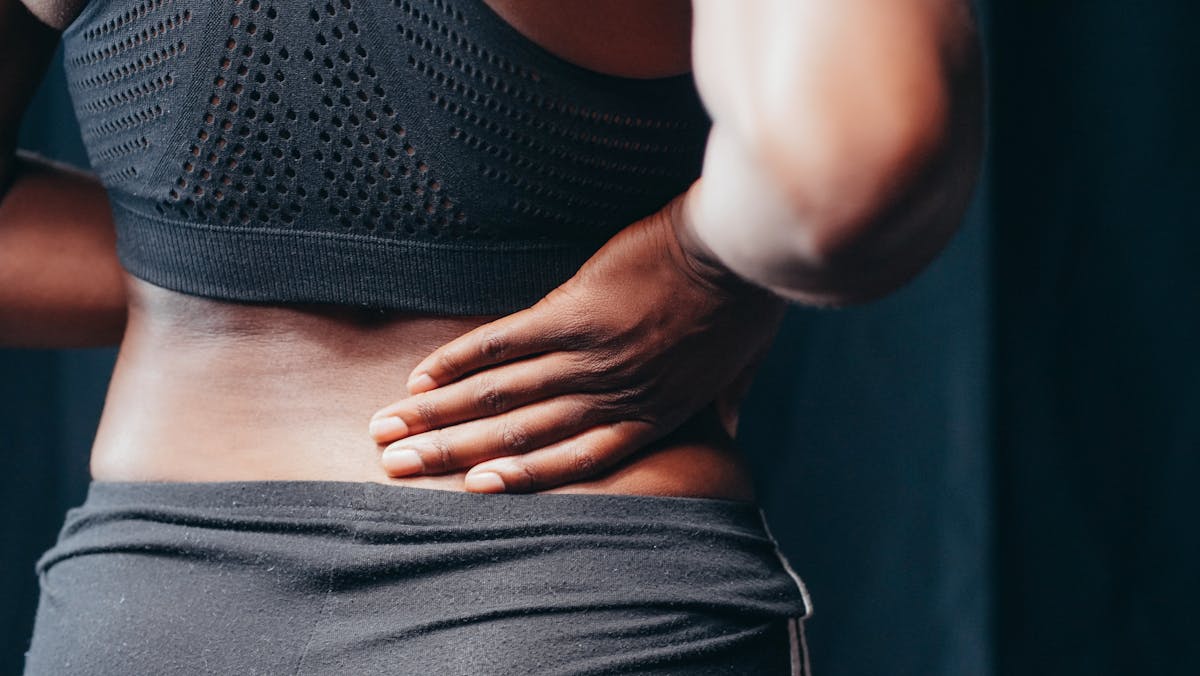

Back Pain Treatment — Causes, Exercises and Best Medicine
- 80% of back pain resolves on its own within 4–6 weeks
- More than 2 days of bed rest is harmful — gentle movement is essential
- Brufen 400 mg and muscle relaxants are effective for short-term relief
- In sciatica, pain radiates down the leg — a neurologist is needed
- Loss of bowel/bladder control or leg weakness is a medical emergency
Back Pain — A Common Problem in Pakistan
In Pakistan, over 50% of adults experience back pain at some point in their lives. Prolonged sitting, poor posture, excessive mobile and laptop use, and heavy lifting are the main causes. The good news is that 80% of cases resolve on their own within 4–6 weeks.
| Most common cause | Muscle strain (60%+ of cases) |
| Office worker risk | 50% higher due to prolonged sitting |
| Average recovery | 4–6 weeks (acute back pain) |
| Chronic pain | 3+ months — specialist evaluation needed |
| Surgery requirement | 1–3% of cases |
Common Causes of Back Pain
1. Muscle Strain or Sprain (Most Common)
Heavy lifting, sudden twisting, or overuse can cause a muscle pull. Pain is usually localised and worsens with movement.
2. Poor Posture
Sitting hunched for long periods, looking down at your phone, or sleeping in a wrong position — all create constant strain on the back.
3. Slipped Disc / Herniated Disc
The disc between vertebrae shifts out of place and presses on a nerve. Pain starts in the lower back and can travel down the leg (sciatica).
4. Sciatica
Pressure on the sciatic nerve causes severe pain, tingling (numbness), or weakness radiating from the lower back down through the hip and leg.
5. Osteoarthritis
Wear and tear of the spinal joints with age. Common in people over 50.
6. Osteoporosis
Weak bones — more common in women after menopause. A vertebral fracture can cause sudden severe pain.
7. Kidney Stones / UTI
Pain in the side and lower back, difficulty urinating, or blood in urine. See a doctor.
8. Pregnancy
Common in pregnant women due to weight gain and hormonal changes.
Immediate Treatment — Within the First 48 Hours
First 24–48 Hours:
- Ice pack for 15–20 minutes every 2–3 hours — reduces swelling
- Light movement — more than 2 days of bed rest is harmful
- Painkillers (Brufen 400 mg or Panadol)
- Avoid heavy lifting or bending
- Sit comfortably with back support
After 48 Hours:
- Heat pad or hot water bottle — relaxes the muscles
- Start gentle stretching
- Short walks of 10–15 minutes, 2–3 times a day
- Sleeping position — pillow between knees (side sleeping) or under knees (back sleeping)
Best Medicine for Back Pain
OTC options available in Pakistan:
- Ibuprofen (Brufen 400 mg): Anti-inflammatory and painkiller. Take 2–3 times daily after meals.
- Diclofenac (Voltral, Dyclomex): Strong NSAID. Available as tablets or gel.
- Paracetamol (Panadol 1000 mg): Safer for the stomach.
- Muscle relaxants (Myonal, Myocris): For spasm and stiffness. Require a prescription.
- Topical gels: Voltral gel, Volini, Iodex — apply directly to the affected area.
- Vitamin B-complex injection (Tribivit, Neurobion): Helpful for nerve pain.
Caution: Prolonged use of NSAIDs (Brufen, Voltral, Dyclomex) increases the risk of kidney damage and stomach ulcers. Consult a doctor if using for more than 2 weeks.
Has your back pain lasted more than 2 weeks? Consult an orthopaedic specialist on Ilaaj AI — MRI/X-ray guidance and a treatment plan, from home.
Start ConsultationBest Exercises (Long-Term Solution)
1. Cat-Camel Stretch
On hands and knees, arch your back upward (like a hump) then lower it. 10 repetitions, twice a day.
2. Knee to Chest
Lie on your back and bring one knee toward your chest, hold for 30 seconds, then switch sides. 5 times per side.
3. Pelvic Tilt
Lie on your back with knees bent. Tighten your abdominal muscles and press your lower back toward the floor. Hold for 10 seconds, 10 repetitions.
4. Bird Dog
On hands and knees, extend the opposite arm and leg, hold for 10 seconds. 10 times per side.
5. Walking
A daily 30-minute walk — the safest and most effective long-term exercise.
Exercises to Avoid:
- Crunches and sit-ups (when you have back pain)
- Heavy weight lifting without supervision
- Toe touches with straight legs
- Sudden twisting movements
Posture Tips for Pakistan
Office / Desk Work:
- Chair height — feet flat on the floor
- Computer screen at eye level
- Stand up and walk for 1–2 minutes every 30 minutes
- Use a lower back support cushion
Sleeping:
- Best: Side sleeping with a pillow between the knees
- OK: Back sleeping with a pillow under the knees
- Worst: Stomach sleeping
- Mattress should be neither too soft nor too hard — medium-firm is ideal
Lifting Heavy Objects:
- Bend at the knees, not the back
- Keep the object close to your body
- Do not twist while lifting
- Lift heavy items with two people
Special Considerations in Pakistan
- Prayer and back pain: The motions of sajda (prostration) and ruku (bowing) are actually beneficial, but during acute pain pray sitting on a chair
- Pregnant women: A maternity belt and prenatal yoga are effective. Do not take Brufen — Paracetamol is safe.
- Female back pain: Avoid heels; pain may increase around menstruation
- Drivers: Use a lumbar support cushion and take a break every hour
Specific Signs of Sciatica
Suspect sciatica if you have these symptoms:
- Pain travels from the lower back through the hip and down the back of the leg
- Burning or electric-shock sensation in the leg
- Weakness in the leg
- Numbness or tingling
- Pain worsens when coughing or sneezing
For sciatica, Vitamin B-complex injections, gabapentin (Neurontin), and physical therapy are effective.
When to See a Doctor Immediately
The following are red flag emergencies:
- Pain radiating down the leg with weakness or numbness
- Loss of bowel or bladder control
- Numbness in the genital area ("saddle anaesthesia")
- Back pain accompanied by fever
- Unexplained weight loss
- New-onset back pain in someone over 50
- History of cancer
- Severe pain following trauma
- No improvement with conventional treatment after 4 weeks
Conclusion
Back pain is mostly self-limiting — but lifestyle and posture require attention. In Pakistan, desk work and mobile phone use have made it even more common. Try home remedies and mild medication first. If there is no improvement within 2 weeks or red flags are present, consult an orthopaedic specialist on Ilaaj AI — MRI/X-ray guidance, prescription and exercise plan, from home.
Frequently Asked Questions
What is the best tablet for back pain in Pakistan?
Brufen 400 mg (ibuprofen) is the most common and effective NSAID — anti-inflammatory plus painkiller. Diclofenac (Voltral) is also a strong option. If you have stomach issues, Panadol 1000 mg is safer. For muscle stiffness, Myonal or Myocris require a prescription. Topical gels (Voltral gel, Iodex) are also helpful. Consult a doctor if using for more than 2 weeks.
What are the best exercises for back pain?
Cat-camel stretch, knee-to-chest, pelvic tilt, bird dog, and a daily 30-minute walk are all proven effective. Avoid sit-ups, crunches, and straight-leg toe touches. Gentle beginner yoga is highly effective. Prenatal yoga is safe during pregnancy. Start everything slowly and stop if pain worsens.
What is the treatment for sciatica?
Sciatica causes pain that radiates from the lower back through the hip and down the back of the leg. Treatment includes NSAIDs (Brufen 400 mg), muscle relaxants, Vitamin B-complex injections (Neurobion, Tribivit), and gabapentin (Neurontin) — all requiring a prescription. Physical therapy and specific exercises provide long-term relief. If there is no improvement after 6 weeks, an MRI and neurosurgeon consultation are needed.
What are the symptoms of a slipped disc?
A slipped disc causes sudden severe back pain, pain radiating into one or both legs, numbness or weakness, pain that worsens when coughing, and sometimes difficulty with bowel or bladder control. Diagnosis is confirmed by MRI. 80% of cases resolve with conservative treatment (rest, NSAIDs, physical therapy). Only 5–10% require surgery.
What is the safe treatment for back pain during pregnancy?
Paracetamol (Panadol 500–1000 mg) is safe during pregnancy. Avoid Brufen, Voltral, and Aspirin. A maternity support belt, prenatal yoga, sleeping on your side with a pillow between the knees, a warm compress, and gentle stretching are all very effective. Back pain in the third trimester is normal. If you experience sudden severe pain or bleeding, see a gynaecologist immediately.
Ilaaj AI is Pakistan's first AI-powered health platform. Chat about your symptoms in Urdu or English, get AI-powered triage, and receive doctor-verified prescriptions — affordable and accessible, 24/7.
Need Health Advice?
Chat with our AI health assistant in any language. Get doctor-verified prescriptions at affordable rates.