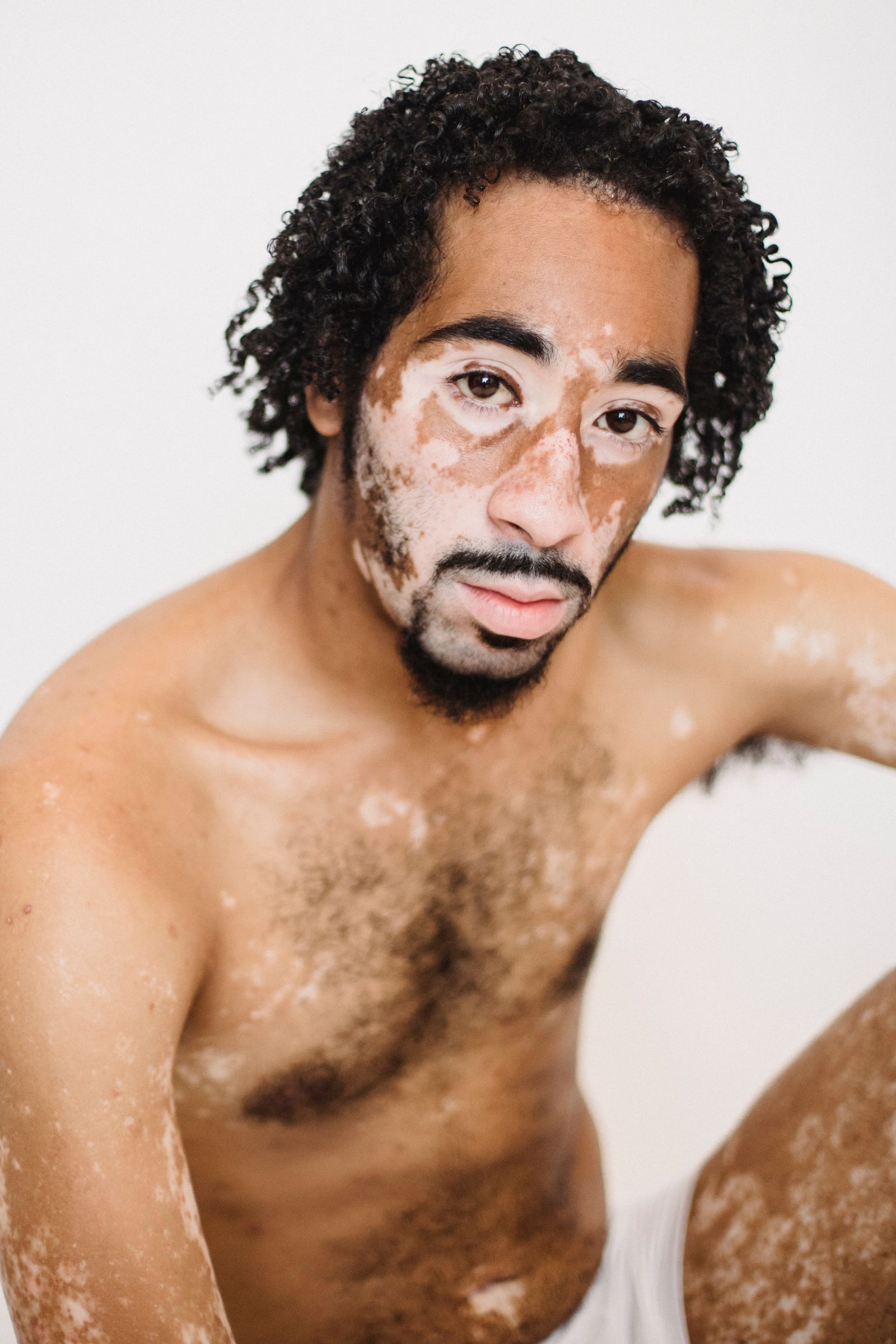

Vitiligo Treatment — Complete Skin Depigmentation Guide
- Vitiligo causes the destruction of skin pigment cells (melanocytes)
- It's an autoimmune condition, not contagious at all
- There's no complete cure, but treatments can achieve repigmentation
- Sunscreen is essential to protect affected areas from sunburn
- Mental health support matters due to social stigma
| What it is | Autoimmune skin condition — pigment loss |
| Contagious? | Absolutely not |
| Onset | Any age, often 20-30 years |
| Treatment | Topical steroids, phototherapy, surgery in some cases |
| Cure available? | No, but improvement is possible with management |
What Is Vitiligo?
Vitiligo is an autoimmune skin condition in which the body's immune system mistakenly destroys pigment-producing cells (melanocytes). It appears as white patches on the skin. In Pakistan, the social stigma associated with it is a serious issue, especially in the context of marriage.
Symptoms
- White, milky-white patches on the skin
- Can appear symmetrically (same spot on both sides)
- Whitening of hair in the affected area
- Common areas: hands, face, around joints, genitals
- Patches can gradually grow
- No pain or itching — purely a cosmetic change
Causes
- Autoimmune process — the body attacks its own melanocytes
- Genetics — family history increases risk
- Link to other autoimmune conditions (thyroid disease)
- Stress can be a trigger
- Sunburn or skin injury can sometimes trigger it (Koebner phenomenon)
- The exact cause isn't fully understood — research is ongoing
Treatment
Topical Treatments:
- Corticosteroid creams — help with repigmentation in early stages
- Calcineurin inhibitors (Tacrolimus, Pimecrolimus) — for face and sensitive areas
Phototherapy:
- Narrowband UVB therapy — at dermatology clinics, regular sessions encourage repigmentation
Advanced Options:
- Skin grafting — for stable, localized vitiligo
- Depigmentation therapy — for extensive vitiligo, to match remaining pigmented skin (rare, extreme cases)
- Camouflage makeup — for cosmetic coverage
Noticed white patches on your skin? Consult a dermatologist on Ilaaj AI for a proper diagnosis and treatment plan.
Consult a Doctor NowSun Protection — Very Important
Affected (white) skin has no melanin protection, so sunburn risk is higher. Daily SPF 30-50+ sunscreen is essential — it not only prevents sunburn but also minimizes the color contrast between affected and unaffected skin.
Social Stigma and Mental Health
The stigma around vitiligo runs deep in Pakistan — many families mistakenly consider it a "disease" or "impurity," which is completely false. It is neither contagious nor the result of a curse — it's simply an autoimmune skin condition. This can lead to anxiety, depression, and marriage-related stress. Talk to a mental health professional if needed, and educating family matters.
Managing It Day-to-Day
- Daily sunscreen — non-negotiable
- Camouflage makeup is an option for confidence (not a medical necessity)
- Support groups — connecting with others with the same condition helps
- Be patient with treatment — repigmentation happens over months, not overnight
When to See a Doctor
- New white patches appear
- Patches are growing rapidly
- You also have thyroid or other autoimmune symptoms
- To discuss treatment options
Conclusion
Vitiligo is a medical condition, not something to be stigmatized. There's no complete cure, but significant improvement is possible with treatment. Sun protection and early treatment give the best results. Discuss your treatment plan with a dermatologist on Ilaaj AI.
Frequently Asked Questions
Is vitiligo contagious?
Absolutely not — vitiligo is an autoimmune condition, not an infection. It cannot spread through touch, living with someone, or any other means. This misunderstanding is a major cause of social stigma.
Is there a permanent cure for vitiligo?
Currently there is no complete cure, but topical treatments, phototherapy, and advanced options can achieve significant repigmentation, especially when treatment starts early.
Why is sunscreen important for people with vitiligo?
Affected skin has no melanin protection, so sunburn risk is higher. Daily SPF 30-50+ sunscreen prevents sunburn and also minimizes the color difference between affected and unaffected skin.
Is vitiligo the result of a curse or disease?
Absolutely not — it's simply an autoimmune skin condition where the body attacks its own pigment cells. It has no connection to curses, impurity, or anything supernatural — it is purely medical.
How long does vitiligo treatment take?
Repigmentation is a slow process — it can take months or even years to see visible improvement. Patience and consistency matter, and results vary case by case.
Ilaaj AI is Pakistan's first AI-powered health platform. Chat about your symptoms in Urdu or English, get AI-powered triage, and receive doctor-verified prescriptions — affordable and accessible, 24/7.
Need Health Advice?
Chat with our AI health assistant in any language. Get doctor-verified prescriptions at affordable rates.