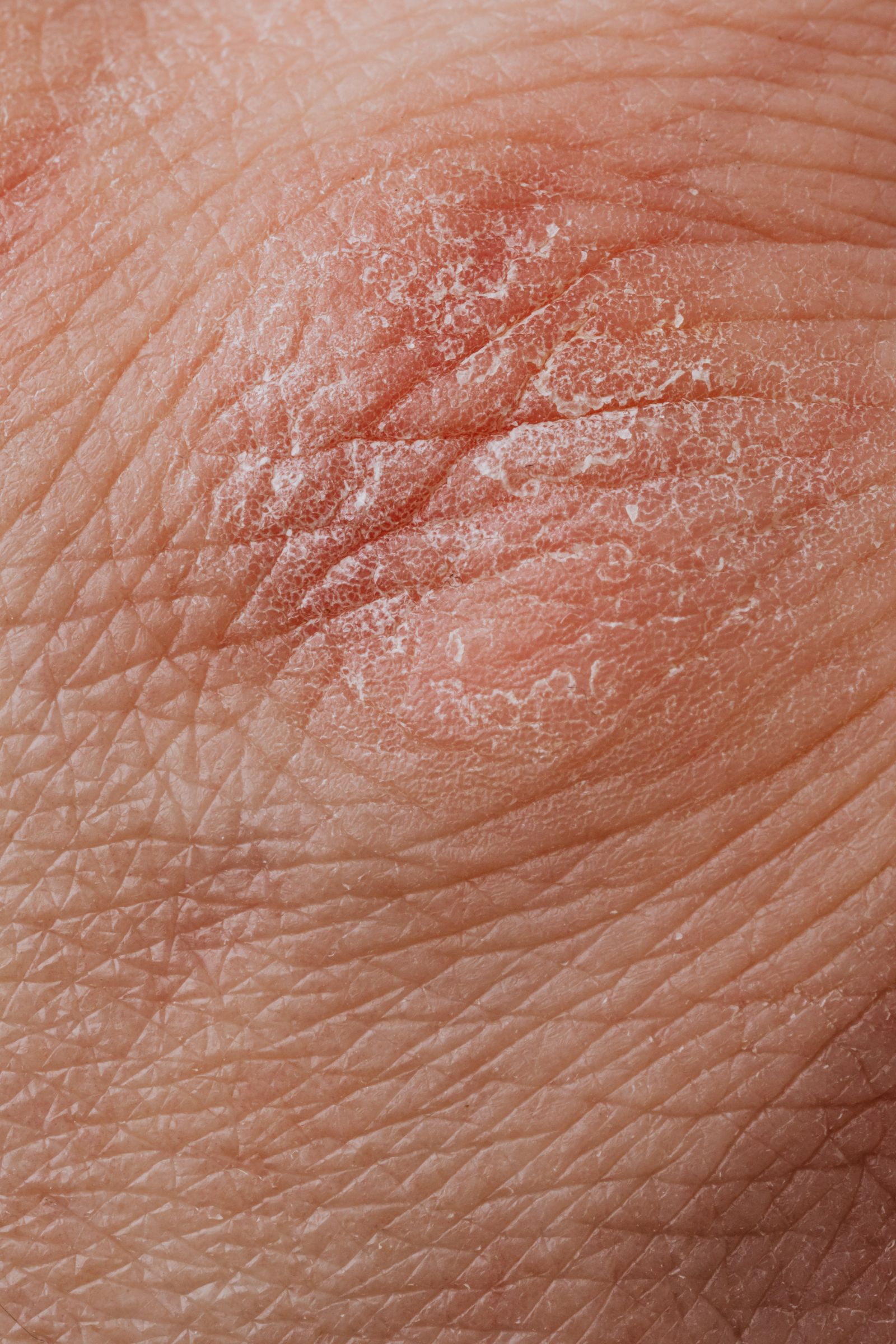

Psoriasis Treatment — Complete Management Guide
- Psoriasis is a chronic autoimmune skin condition
- Skin cells regenerate much faster than normal, causing thick scaly patches
- There's no complete cure, but symptoms can be well managed
- Stress, infections, and weather trigger flare-ups
- Mental health support matters due to social stigma
| Type | Autoimmune, chronic condition |
| Common areas | Elbows, knees, scalp, lower back |
| Onset age | 15-35 years or 50-60 years |
| Cure available? | No, but manageable with control |
| Genetic link | Family history is a strong risk factor |
What Is Psoriasis?
Psoriasis is a chronic autoimmune condition in which the immune system mistakenly causes skin cells to regenerate far too quickly — in just 3-5 days instead of the normal 28. These cells pile up on the surface, forming thick, silvery scaly patches.
Symptoms
- Red, raised patches with silvery-white scales
- Itching or a burning sensation
- Dry, cracked skin that may bleed
- Pitted or thickened nails
- Joint pain and swelling (in Psoriatic arthritis)
- Common areas: elbows, knees, scalp, lower back
Causes and Triggers
- Genetics — family history is a strong risk factor
- Immune system dysfunction
- Stress — a common flare-up trigger
- Infections — especially strep throat
- Skin injury — cuts, sunburn (Koebner phenomenon)
- Weather — often worsens in dry, cold weather
- Certain medications — lithium, beta-blockers
- Smoking and alcohol
Types of Psoriasis
- Plaque psoriasis — most common, thick scaly patches
- Guttate psoriasis — small drop-shaped spots, often after an infection
- Scalp psoriasis — like dandruff but thicker and scalier
- Nail psoriasis — pitted, discolored nails
- Psoriatic arthritis — joints are also affected
Treatment
Topical Treatments (Mild Cases):
- Corticosteroid creams — reduce inflammation and scaling
- Vitamin D analogues — slow skin cell growth
- Coal tar preparations — reduce scaling and itching
- Moisturizers — essential for reducing dryness and cracking
Advanced Treatments (Moderate-Severe Cases):
- Phototherapy — UV light treatment, at dermatology clinics
- Systemic medications — Methotrexate, Cyclosporine (by doctor's prescription)
- Biologic drugs — advanced, expensive but highly effective
Noticed scaly patches or persistent itching on your skin? Consult a dermatologist on Ilaaj AI.
Consult a Doctor NowManaging It Day-to-Day
- Moisturize regularly, especially after bathing
- Stress management — meditation, exercise
- Identify and avoid your specific triggers
- Reduce or stop alcohol and smoking
- Support groups or counseling — help with coping with social stigma
Mental Health and Social Stigma
Visible skin conditions carry social stigma in Pakistan — people often mistakenly believe it's contagious (it absolutely is not). This can lead to anxiety and depression. Educating yourself and helping family understand the condition matters. If needed, talk to a mental health professional too.
When to See a Doctor
- Patches are growing or spreading
- Joint pain or swelling (a sign of psoriatic arthritis)
- OTC treatments aren't helping
- Signs of skin infection — pus, fever
- Significant impact on daily life
Conclusion
Psoriasis is a chronic condition with no complete cure, but proper treatment and trigger management can control it very well. It is not contagious — stay clear of the social stigma and get proper medical care. Discuss your treatment plan with a dermatologist on Ilaaj AI.
Frequently Asked Questions
Is psoriasis contagious?
Absolutely not — psoriasis is an autoimmune condition, not an infection. It cannot spread by touch or any other means. This misunderstanding is a major cause of the social stigma around it.
Is there a permanent cure for psoriasis?
Currently there is no permanent cure, but topical treatments, phototherapy, and systemic medications can control symptoms very well, and long periods of remission are possible.
At what age does psoriasis usually start?
It most often begins between ages 15-35, but a second common onset occurs at 50-60 years. It can start at any age, especially with a family history.
Can diet improve psoriasis?
In some people, an anti-inflammatory diet (less processed food, more omega-3) improves symptoms, but it's not a universal solution. Avoiding alcohol and smoking is definitely beneficial.
What is psoriatic arthritis?
It's a complication of psoriasis where joints also become swollen and painful — fingers, knees, or the back may be affected. If joint pain accompanies skin symptoms, see a rheumatologist promptly to prevent joint damage.
Ilaaj AI is Pakistan's first AI-powered health platform. Chat about your symptoms in Urdu or English, get AI-powered triage, and receive doctor-verified prescriptions — affordable and accessible, 24/7.
Need Health Advice?
Chat with our AI health assistant in any language. Get doctor-verified prescriptions at affordable rates.