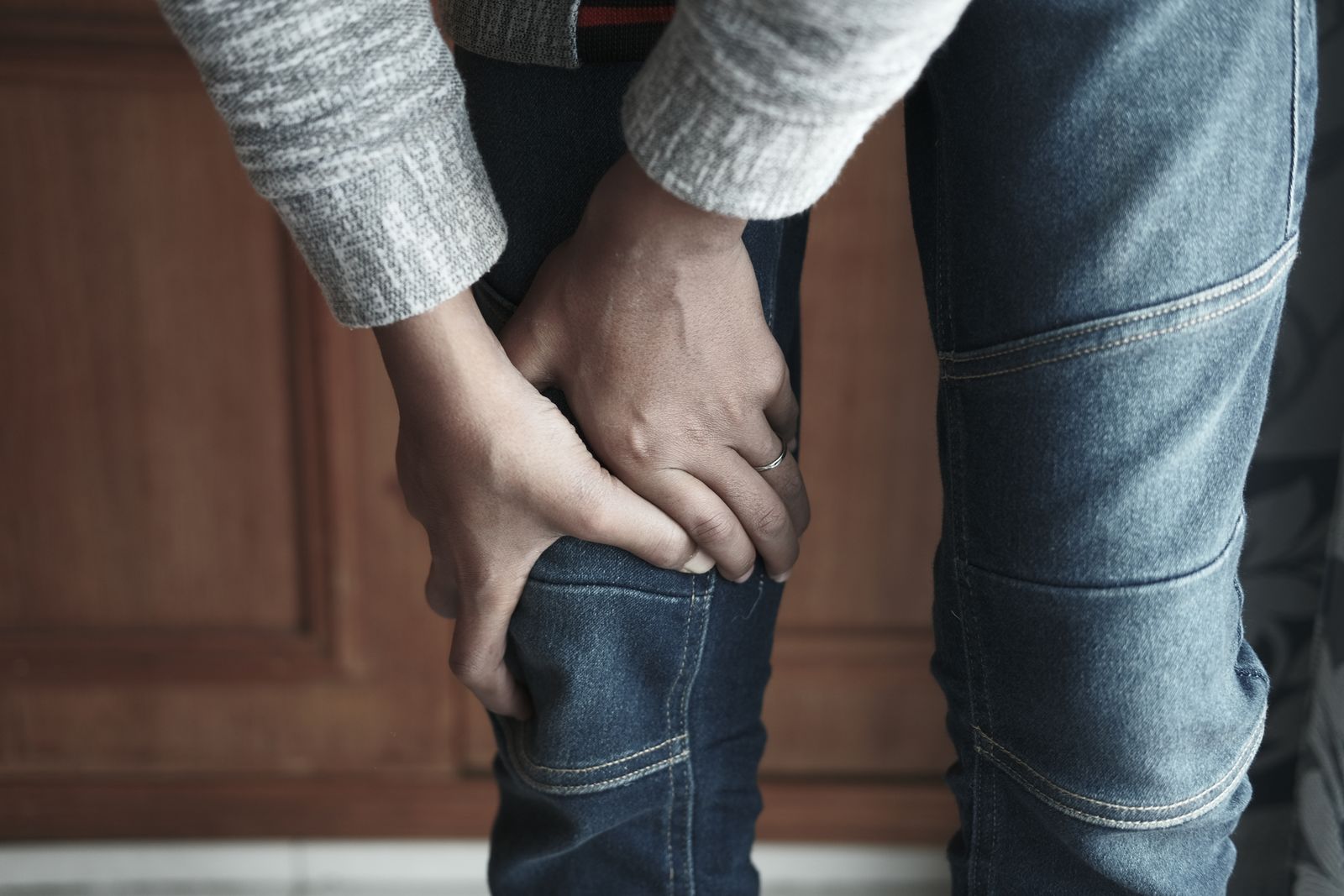

Knee Pain Treatment — Causes and Complete Treatment Guide
- Knee pain can result from osteoarthritis, injury, or overuse
- Weight loss reduces pressure on the knees — the most effective step
- The RICE method (Rest, Ice, Compression, Elevation) for acute injuries
- Quadriceps strengthening exercises support the knee joint
- Knee replacement surgery is an option for severe cases
| Common causes | Osteoarthritis, ligament injury, meniscus tear |
| Risk factors | Obesity, age, prior injury, heavy physical work |
| Common treatment | Weight management, physiotherapy, NSAIDs |
| Test | X-ray, MRI (for severe cases) |
| Surgery option | Knee replacement — for severe osteoarthritis |
Why Does Knee Pain Happen?
The knee is the body's most weight-bearing joint — walking, sitting-standing, and climbing stairs all depend on it. In Pakistan, osteoarthritis (wear-and-tear with age), injuries, and the habit of sitting on the floor (for prayer, meals) are common causes of knee pain.
Common Causes
- Osteoarthritis — cartilage wear, most common after age 45
- Meniscus tear — a tear in the cushioning cartilage, from sports or a twisting injury
- Ligament injury (ACL, MCL) — from sports or an accident
- Rheumatoid arthritis — autoimmune, affects both knees symmetrically
- Bursitis — inflammation of a fluid-filled sac, from overuse
- Patellar tendinitis — "jumper's knee," from excessive running/jumping
- Excessive floor sitting — sitting on the floor for prayer or meals for long periods puts extra stress on cartilage
Symptoms
- Pain — with activity or even at rest (severe cases)
- Swelling and warmth
- Stiffness, especially in the morning or after prolonged sitting
- Difficulty bending or straightening the knee
- Clicking or grinding sound
- Weakness, the knee "giving way"
Treatment — Acute Injury (RICE Method)
- Rest — reduce activities that worsen the pain
- Ice — 15-20 minutes, several times a day, for the first 48 hours
- Compression — light support with an elastic bandage
- Elevation — keep the knee above heart level
Treatment for Chronic Pain
1. Weight Management
Every 1 kg of weight loss reduces pressure on the knees by up to 4 kg while walking! This is the most effective non-surgical treatment for osteoarthritis.
2. Exercise and Physiotherapy
- Quadriceps strengthening (thigh muscles) — provides better knee support
- Low-impact exercises — swimming, cycling, walking
- Stretching — maintains flexibility
- Avoid high-impact activities (running, jumping) during a flare-up
3. Medications
- NSAIDs (Brufen, Voltral) — for pain and inflammation. When osteoarthritis needs daily treatment, a once-daily NSAID such as Brexin (piroxicam) is also used — always with food and on a doctor's advice, because of its ulcer risk
- Topical gels — Voltral gel, applied directly
- Glucosamine/Chondroitin — helps some people (mixed evidence)
- Steroid injections — for severe flare-ups, with doctor's guidance
Is knee pain interfering with your daily activities? Consult a doctor on Ilaaj AI and get a proper diagnosis.
Consult a Doctor NowAvoiding Floor Sitting
If you have knee osteoarthritis, avoid prolonged floor sitting — use a chair or stool for meals and sitting. Using a chair for prayer is permissible when there's severe joint pain.
When to See a Doctor
- The knee can't bear weight
- Significant swelling or deformity
- Severe pain after an injury
- No improvement with OTC treatment after 2-3 weeks
- The knee locks up or gives way
Advanced Treatment — Surgery
When conservative treatment doesn't work and osteoarthritis is severe, knee replacement surgery is an effective option that restores pain relief and mobility — discuss this with an orthopedic surgeon.
Conclusion
Knee pain can often be managed with weight management, exercise, and proper treatment. Severe or persistent pain needs proper diagnosis. Discuss your exact cause and treatment plan with a doctor on Ilaaj AI.
Frequently Asked Questions
Why is weight loss important for knee pain?
Every 1 kg of weight loss reduces pressure on the knees by approximately 4 kg while walking. This is the most effective non-surgical treatment for osteoarthritis patients — it can significantly reduce pain.
What exercises should I do for osteoarthritis?
Low-impact exercises like swimming, cycling, and walking are better — they put less stress on joints. Quadriceps strengthening exercises also help provide better knee support. Avoid high-impact activities during a flare-up.
Is sitting on the floor harmful for knees?
If you already have knee arthritis or a joint problem, prolonged floor sitting puts extra stress on cartilage and can worsen pain. Using a chair or stool is better in these cases.
What should I do after a knee injury?
Follow the RICE method — Rest, Ice (15-20 minutes several times), Compression (elastic bandage), and Elevation (knee above heart level). See a doctor immediately if you can't bear weight or there's significant swelling.
When is knee replacement surgery necessary?
When conservative treatments (medication, physiotherapy, weight loss) don't lead to significant improvement and severe osteoarthritis badly affects daily life, an orthopedic surgeon may recommend knee replacement.
Ilaaj AI is Pakistan's first AI-powered health platform. Chat about your symptoms in Urdu or English, get AI-powered triage, and receive doctor-verified prescriptions — affordable and accessible, 24/7.
Need Health Advice?
Chat with our AI health assistant in any language. Get doctor-verified prescriptions at affordable rates.