
Omeprazole Uses — Acidity, GERD and Ulcer Complete Treatment Guide
- Omeprazole is a PPI (Proton Pump Inhibitor) that reduces stomach acid
- Used for acidity, GERD, ulcers, and H. pylori infection
- Standard dose is 20mg daily, 30 minutes before food
- Do not use continuously for more than 2 weeks without medical advice
- Long-term use can affect bone health and B12 absorption
| Class | Proton Pump Inhibitor (PPI) |
| Common brands in Pakistan | Risek, Ocid, Omez, Losec |
| Common strengths | 10mg, 20mg, 40mg |
| OTC | 20mg available over the counter |
| Best time to take | Morning, 30-60 minutes before food |
What Is Omeprazole?
Omeprazole is a Proton Pump Inhibitor (PPI) that blocks the pumps in the stomach lining responsible for producing acid. In Pakistan it is sold under brands like Risek, Ocid, and Omez — one of the most commonly prescribed medicines for acidity and GERD. Note that omeprazole only reduces acid; if post-meal heaviness and bloating are the bigger problem, that needs a prokinetic such as Motilium (domperidone) instead.
What Is Omeprazole Used For?
- GERD (acid reflux) — heartburn, sour fluid rising into the throat
- Peptic ulcer — sores in the stomach or duodenum
- Gastritis — inflammation of the stomach lining
- H. pylori infection — combination therapy with antibiotics
- NSAID-induced ulcer prevention — for people on long-term ibuprofen or diclofenac
- Barrett's esophagus — long-term management
Dosage
- Mild acidity/GERD: 20mg daily, on an empty stomach in the morning
- Severe GERD or ulcer: 40mg daily, with doctor's advice
- H. pylori treatment: 20mg twice daily, combined with antibiotics for 10-14 days
- Take 30-60 minutes before food for best effect
Omeprazole Capsule or Tablet — Which Form Is Sold in Pakistan?
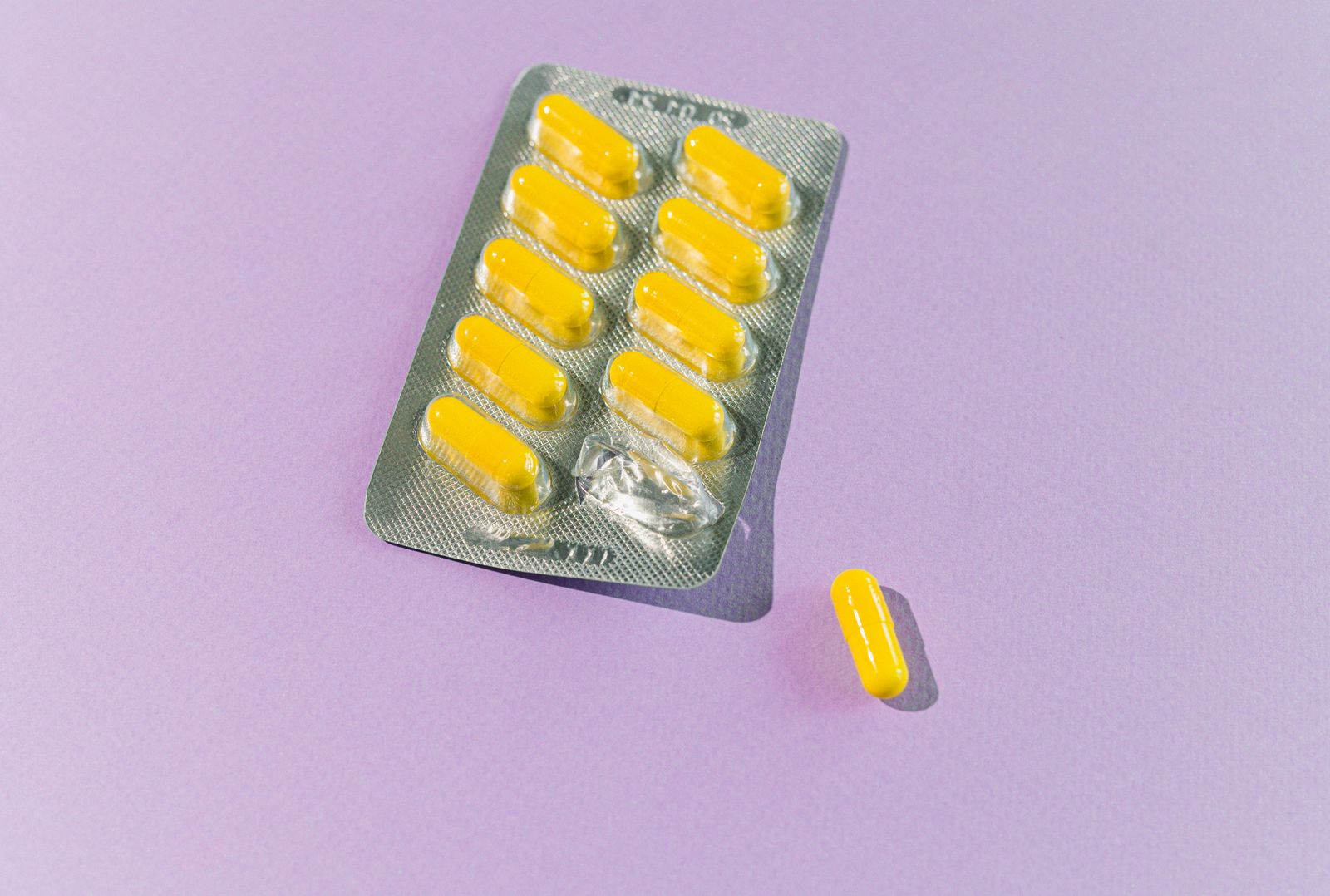
Most people receive omeprazole as a capsule, not a tablet. The major brands sold in Pakistan — Risek, Omez and Ocid — are delayed-release capsules filled with small coated granules. That is why the pharmacy box usually says "capsule" while people search for "omeprazole tablet": in everyday use both refer to the same medicine, only the dosage form is named differently.
How to Take the Capsule
- Swallow the capsule whole with water. Do not chew or break it.
- Do not crush the granules — the coating protects the drug from stomach acid. If the coating is broken, the medicine is destroyed before it is absorbed and the effect drops.
- If swallowing is difficult, ask your doctor or pharmacist. Some brands allow the capsule to be opened and the granules taken with soft food, but this depends on the brand — do not decide on your own.
Other Available Forms
- 10mg, 20mg and 40mg capsules — the most common. 20mg is the standard adult dose.
- IV injection — hospital use only, when a patient cannot take medicine by mouth or has a bleeding ulcer.
Prices vary by brand and pack size, so confirm the current rate at your pharmacy — generic omeprazole is usually cheaper than branded packs and contains the same medicine. If omeprazole is not giving full relief, a doctor may switch you to another PPI such as Nexium (esomeprazole).
Side Effects
Common:
- Headache
- Bloating, gas
- Diarrhea or constipation
- Nausea
Long-term use risks:
- Vitamin B12 deficiency
- Increased fracture risk (reduced calcium absorption)
- Low magnesium levels
- Kidney effects (rare, with long-term use)
- Increased risk of gut infections (due to reduced stomach acid)
Has your acidity lasted more than 2 weeks or keeps coming back? Get guidance on correct dosage and duration from a doctor on Ilaaj AI.
Consult a Doctor NowWho Should Be Cautious
- Patients with liver disease
- Those at risk of osteoporosis (especially older women)
- Long-term users (1+ year) — should get B12 and magnesium checked
- Patients on Clopidogrel (a heart medicine) — potential interaction risk
Pregnancy and Breastfeeding
Omeprazole is generally considered safe in pregnancy when clearly needed, but always use it under medical supervision. It can also be used with caution while breastfeeding.
When to See a Doctor
- Symptoms persist after 2 weeks of OTC use
- Vomiting blood or black tarry stools (signs of ulcer bleeding)
- Difficulty swallowing
- Unexplained weight loss
- New-onset acidity after age 50
Conclusion
Omeprazole is a highly effective medicine for acidity and GERD, but should not be used long-term without a reason. It is safe for short-term relief, but persistent symptoms need proper diagnosis. Consult a doctor on Ilaaj AI for the correct dose and duration.
Frequently Asked Questions
How long should Omeprazole be taken?
For OTC use, take it for a maximum of 2 weeks. If symptoms continue, see a doctor — a 4-8 week course may be prescribed for GERD. Avoid taking it long-term (months/years) without reason, as it can cause bone and B12 issues.
Should Omeprazole be taken before or after food?
It's best taken 30-60 minutes before food, on an empty stomach, in the morning — this allows it to properly block acid pumps. Taking it after food reduces its effectiveness.
What's the difference between Omeprazole and Risek?
There's no difference — Risek is a popular Pakistani brand name for omeprazole (by GSK/Getz Pharma). Omez and Losec are also the same generic omeprazole, just from different manufacturers.
Can Omeprazole cause dependency?
It doesn't cause physical addiction, but stopping suddenly after long-term use can cause 'rebound acidity' — the stomach starts producing more acid. It's better to taper off gradually with a doctor's guidance.
What's the difference between Omeprazole and an antacid (ENO, Gaviscon)?
Antacids (ENO, Gaviscon) neutralize acid immediately but only for a short time — good for occasional heartburn. Omeprazole reduces acid production at the source and its effect lasts 24 hours — better for GERD and ulcers.
What is the difference between omeprazole capsules and tablets?
Generally none. In Pakistan omeprazole is supplied mostly as a delayed-release capsule (Risek, Omez, Ocid), and people commonly call it a “tablet”. The medicine, strength and dose are the same; only the dosage form differs. Whatever is printed on the box is the form you have.
Can omeprazole capsules be opened or crushed?
Not on your own. The granules inside carry a special coating that protects the drug from stomach acid, and crushing or chewing breaks that coating and reduces the effect. If swallowing is difficult, ask your doctor or pharmacist — some brands permit opening the capsule and taking the granules with soft food, but this depends on the brand.
Ilaaj AI is Pakistan's first AI-powered health platform. Chat about your symptoms in Urdu or English, get AI-powered triage, and receive doctor-verified prescriptions — affordable and accessible, 24/7.
Need Health Advice?
Chat with our AI health assistant in any language. Get doctor-verified prescriptions at affordable rates.