
Heartburn Treatment — Triggers, Lifestyle and Complete Guide
- Heartburn is stomach acid flowing back into the esophagus
- Spicy, oily food and late-night eating are common triggers
- Occasional heartburn is normal, frequent occurrence signals GERD
- Lifestyle changes significantly improve most cases
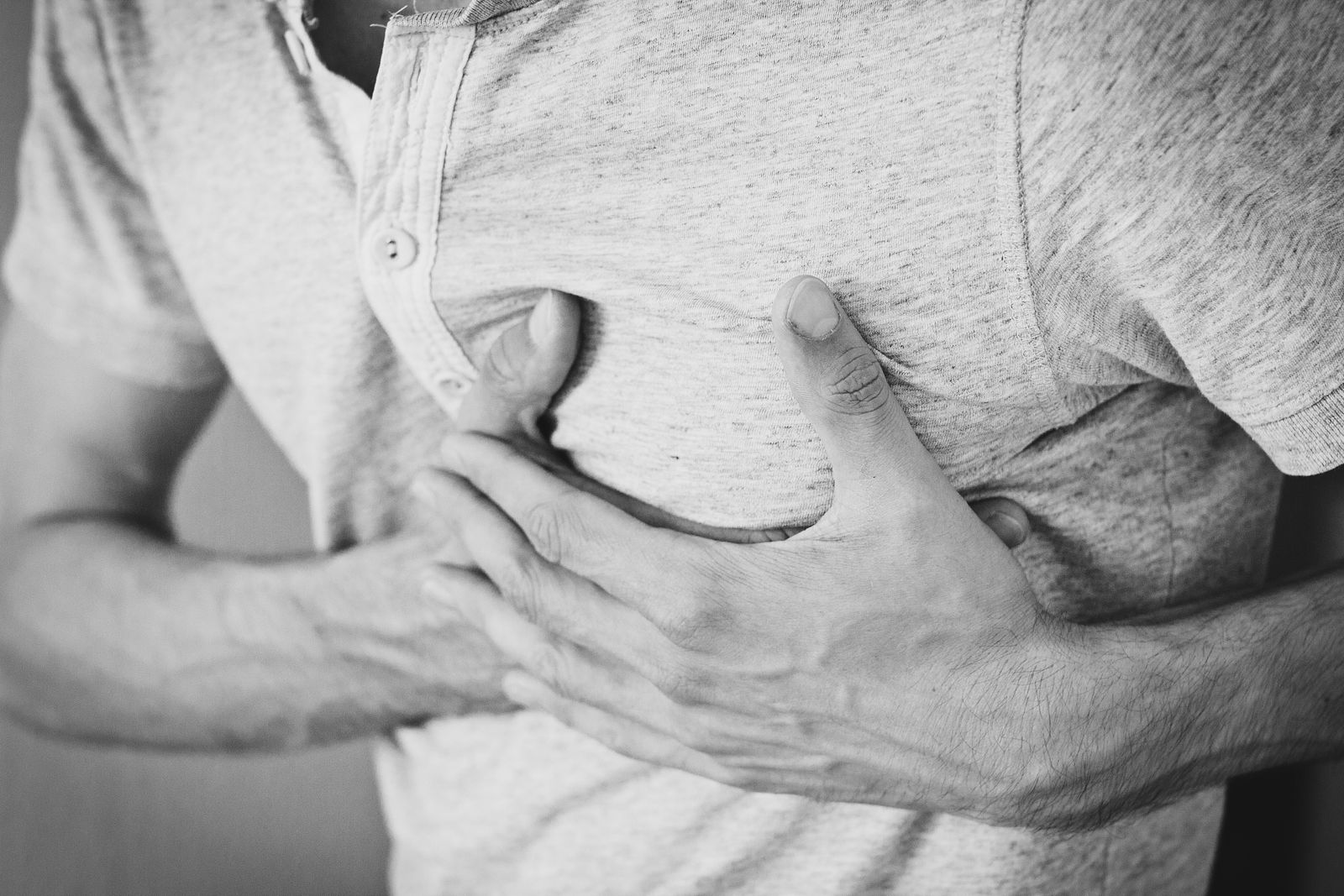
- Chest pain resembling a heart attack needs emergency evaluation
| What it is | Stomach acid flowing back into the esophagus |
| Common triggers | Spicy/oily food, tea/coffee, late-night eating |
| Occasional vs GERD | 2+ times a week suggests GERD risk |
| Treatment | Lifestyle changes, antacids, PPIs |
| Red flag | Chest pain resembling a heart attack — emergency |
What Is Heartburn?
Heartburn occurs when stomach acid flows back into the esophagus — causing a burning sensation in the chest, especially after eating or when lying down. Despite its name, it has nothing to do with the heart — it's a digestive system issue.
Symptoms
- Burning sensation in the chest, especially behind the breastbone
- A sour or bitter taste in the mouth
- Difficulty or pain swallowing
- Worsens after eating or lying down
- A feeling of something stuck in the throat
- Frequent burping
Common Triggers
- Spicy and oily food — very common in Pakistani diets
- Excessive tea/coffee
- Late-night eating — a heavy meal right before bed
- Overeating — large portions at once
- Citrus fruits, tomatoes
- Chocolate
- Alcohol and smoking
- Obesity — extra pressure on the stomach
- Pregnancy — hormonal changes and pressure from the baby
- Stress
Heartburn vs GERD
Occasional heartburn (a few times a month) is generally normal and manageable through diet/lifestyle. If heartburn occurs more than twice a week, it could be GERD (Gastroesophageal Reflux Disease), which needs proper medical treatment.
Lifestyle Changes — Most Effective
- Smaller, more frequent meals — large meals increase pressure on the stomach
- Don't lie down right after eating — wait at least 3 hours
- Elevate your head while sleeping — with a pillow or raised bed
- Identify and avoid trigger foods
- Weight loss if overweight
- Avoid tight clothing after eating
- Quit smoking and alcohol
Medications
- Antacids (ENO, Gaviscon) — immediate relief for occasional heartburn
- H2 blockers (Ranitidine alternatives) — moderate relief
- PPIs (Omeprazole) — for persistent/frequent heartburn, reduce acid production
Is heartburn recurring or not improving with lifestyle changes? Consult a doctor on Ilaaj AI.
Consult a Doctor NowEMERGENCY — Chest Pain Risk
Heartburn and heart attack symptoms can sometimes be confused. Go to the ER immediately if:
- Chest pain radiating to arm, jaw, or back
- Shortness of breath or breathing difficulty
- Excessive sweating, dizziness
- Chest pressure not relieved by antacids
- New-onset chest pain, especially with heart disease risk factors
When to See a Doctor (Non-Emergency)
- Heartburn occurs 2+ times a week
- OTC treatments aren't helping
- Persistent difficulty swallowing
- Unexplained weight loss
- Vomiting blood or black tarry stools
Conclusion
Occasional heartburn happens to most people and is manageable with lifestyle changes. Frequent or persistent symptoms could signal GERD, which needs proper treatment. Never automatically assume chest pain is heartburn — discuss your symptoms with a doctor on Ilaaj AI.
Frequently Asked Questions
What's the difference between heartburn and GERD?
Occasional heartburn (a few times a month) is normal. If it occurs more than twice a week, it could be GERD (Gastroesophageal Reflux Disease), which needs proper medical evaluation and treatment.
What foods should I avoid to prevent heartburn?
Spicy and oily food, citrus fruits, tomatoes, chocolate, and excessive tea/coffee are common triggers. Each person's triggers can differ — keeping a food diary helps identify patterns.
Can heartburn be a sign of a heart attack?
They can sometimes be confused, so caution is warranted. If chest pain radiates to the arm/jaw/back, comes with shortness of breath, or isn't relieved by antacids, go to the emergency room immediately — it could be a heart attack.
How long should I wait after eating before lying down?
Wait at least 3 hours after eating before lying down. This lets gravity help keep stomach acid down and reduces reflux risk.
What's the best medicine for heartburn?
For occasional heartburn, antacids (ENO, Gaviscon) provide immediate relief. For frequent/persistent heartburn (GERD), PPIs (Omeprazole) are more effective since they reduce acid production at the source.
Ilaaj AI is Pakistan's first AI-powered health platform. Chat about your symptoms in Urdu or English, get AI-powered triage, and receive doctor-verified prescriptions — affordable and accessible, 24/7.
Need Health Advice?
Chat with our AI health assistant in any language. Get doctor-verified prescriptions at affordable rates.