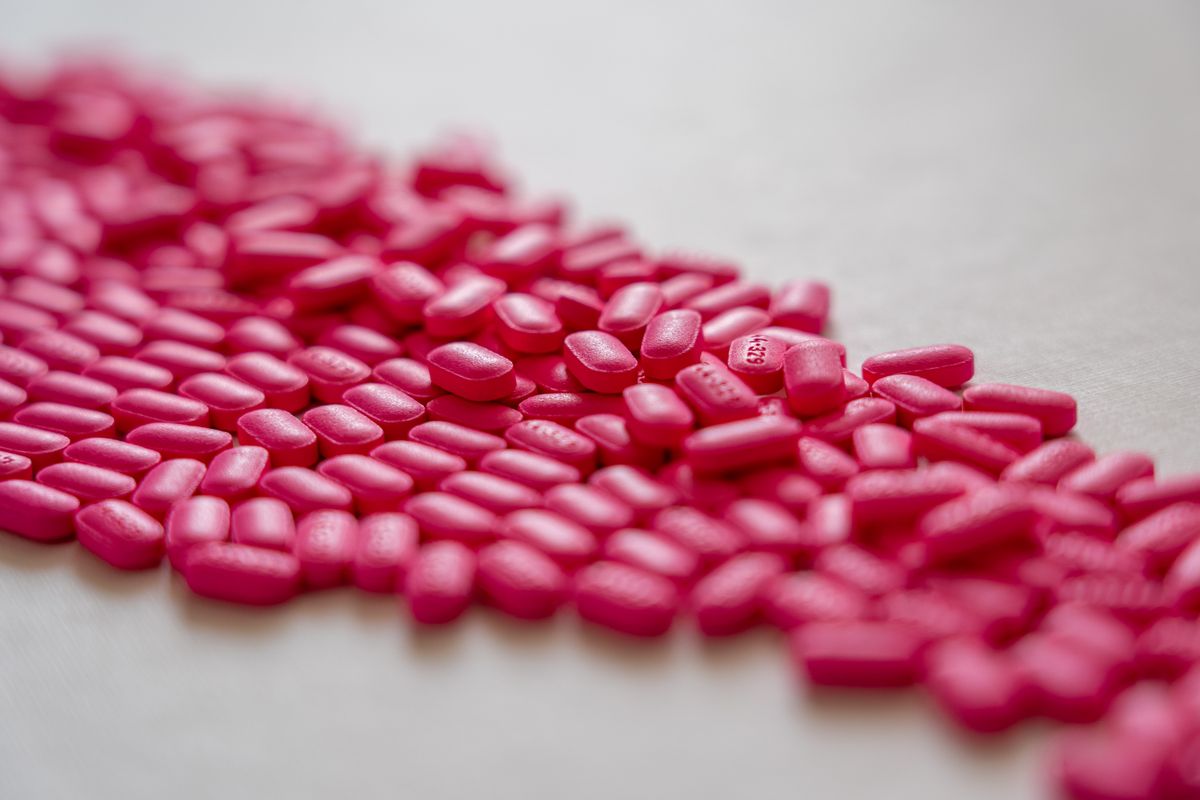

Kestine Tablet Uses, Dosage and Side Effects in Pakistan
- Kestine = ebastine, a second-generation (piperidine class) H1 antihistamine
- Used for seasonal and perennial allergic rhinitis (hay fever) and chronic idiopathic urticaria (hives)
- Standard adult dose: 10 mg once daily; 20 mg for severe symptoms under doctor guidance
- Truly non-sedating — minimal brain penetration, so good when alertness is needed
- Once daily, does not prolong the QT interval at standard doses, and safe for long-term use
What Is Kestine?
Kestine is a brand of ebastine, a second-generation H1 antihistamine belonging to the piperidine class. Like other modern antihistamines, it is designed to relieve allergy symptoms without the heavy sedation caused by older first-generation drugs such as chlorphenamine (Piriton) or pheniramine (Avil). Ebastine is well established in Europe and Asia and is available in Pakistan for the treatment of allergic rhinitis and chronic hives.
One of ebastine's defining features is that it is a prodrug — after it is absorbed, the liver converts it into its active form, carebastine, which provides the long-lasting antihistamine effect. This is part of why a single daily dose gives 24-hour symptom control. Its low penetration of the brain means it blocks allergy symptoms in the body while leaving alertness largely intact.
| Generic name | Ebastine |
| Strengths | 10 mg and 20 mg tablets |
| Drug class | Second-generation H1 antihistamine (piperidine) |
| Brands in Pakistan | Kestine and other ebastine brands |
| Dosing frequency | Once daily (24-hour duration) |
| CNS sedation | Minimal — truly non-sedating at standard dose |
| QT effect | No clinically significant QT prolongation at standard doses |
| Pakistan price | Modest; somewhat more than cetirizine and less commonly stocked |
How Does Ebastine Work?
Allergic reactions are driven by histamine, a chemical released by mast cells and basophils when the immune system encounters an allergen such as dust mites, pollen, mould or pet dander. When histamine binds to H1 receptors throughout the body, it produces the familiar allergy symptoms: sneezing, a runny and itchy nose, watery eyes, and itchy skin or hives.
Ebastine (Kestine) selectively and competitively blocks peripheral H1 receptors, preventing histamine from triggering these symptoms. Because its active form, carebastine, penetrates the central nervous system poorly, it achieves strong control of allergy symptoms in the nose, eyes and skin with little effect on the brain — meaning minimal drowsiness compared with older antihistamines.
Its long duration of action — a full 24 hours from a single dose — comes from the sustained presence of carebastine in the body, allowing convenient once-daily dosing that supports better adherence in chronic allergy.
Kestine Tablet Uses
1. Seasonal Allergic Rhinitis (Hay Fever / Nazla Allergy)
Seasonal allergic rhinitis flares during specific times of year when airborne pollens from trees, grasses or weeds are high. It causes bouts of sneezing, a runny and itchy nose, nasal congestion and itchy, watery eyes. Kestine effectively controls sneezing, rhinorrhoea (runny nose) and nasal and eye itching. Because it is non-sedating, it allows sufferers to remain productive at work or school during pollen season.
2. Perennial (Year-Round) Allergic Rhinitis
In Pakistan, year-round allergic rhinitis is extremely common because of persistent indoor allergens — house dust mites, cockroach proteins, mould spores and pet dander — combined with urban dust and air pollution. For these patients, Kestine taken daily provides ongoing relief from the constant sneezing, nasal itching and runny nose, and daily long-term use is both safe and effective.
3. Chronic Idiopathic Urticaria (Hives)
Chronic urticaria — recurrent itchy, raised welts on the skin lasting more than six weeks, often without an identifiable trigger — is a distressing and common condition. Second-generation antihistamines like ebastine are the first-line treatment. For persistent hives, doctors may increase the dose (for example to 20 mg) under supervision, in line with guidelines that allow up-dosing of non-sedating antihistamines for difficult-to-control urticaria.
4. Allergic Conjunctivitis and Skin Itch
Itchy, watery, red eyes that accompany allergic rhinitis respond well to systemic ebastine, which addresses the underlying allergic response. Kestine also helps relieve the histamine-driven itch seen in various allergic skin reactions, providing symptomatic comfort while the underlying cause is managed.
5. Patients Who Need to Stay Alert
A particular advantage of Kestine in everyday Pakistani life is for people who simply cannot afford to feel drowsy — students preparing for exams, professional drivers, machine operators, shift workers and office staff. Because ebastine causes minimal sedation, it lets these patients control their allergies without the dullness or "heavy head" feeling that some other antihistamines can cause.
Kestine Dosage in Pakistan
| Patient / Situation | Dose |
| Adults and children ≥12 years (standard) | 10 mg once daily |
| Severe or poorly controlled symptoms | 20 mg once daily under doctor guidance |
| Children under 12 years | Use ebastine syrup at age-appropriate doses (not the adult tablet) |
| Liver impairment | Do not exceed 10 mg/day; use with caution |
| Elderly patients | Standard 10 mg usually appropriate; review other medicines |
| With or without food | Either; food does not significantly affect its action |
| Timing | Once daily at the same time for steady 24-hour cover |
Kestine Side Effects
Ebastine is generally very well tolerated, which is one of the main reasons it is favoured when alertness matters.
Common:
- Headache — the most frequently reported side effect; usually mild
- Dry mouth — mild and occasional
- Drowsiness — uncommon and usually minimal; slightly more likely at the 20 mg dose or in sensitive individuals
- Mild stomach upset — occasionally reported
Less Common / Rare:
- Abdominal pain or nausea — infrequent
- Allergic reaction to ebastine itself — rare but possible
- Effect on heart rhythm — not clinically significant at standard doses, but caution is advised in those with existing QT prolongation or when combined with certain other QT-prolonging medicines, especially at higher doses
Unlike first-generation antihistamines, Kestine does not typically cause the strong drowsiness, dry mouth, blurred vision or urinary retention associated with older drugs at standard doses.
Kestine (Ebastine) vs Other Second-Generation Antihistamines
| Feature | Kestine (Ebastine) | Cetirizine | Fexofenadine |
| Generation | Second | Second | Second (third-gen by some) |
| Dosing | Once daily | Once daily | Once or twice daily |
| Sedation | Minimal | Mild in some users | Minimal |
| Best for nasal symptoms | Strong — slightly more potent for nose | Good | Strong |
| Best for skin / hives | Good | Often preferred for urticaria | Good |
| Alertness preserved | Yes | Mostly | Yes |
Who Should Be Cautious with Kestine
- Liver impairment — because ebastine is converted to its active form in the liver, those with liver disease should not exceed 10 mg/day and should use it under medical supervision
- Existing QT prolongation or heart rhythm disorders — caution is advised, particularly with higher doses or other QT-prolonging medicines
- Pregnancy and breastfeeding — there is limited data; use only if clearly needed and after discussing with a doctor
- Children under 12 — the adult tablet is not appropriate; use the syrup at the correct dose
- People on certain antifungals or antibiotics — see drug interactions below
Drug Interactions
Ebastine has relatively few interactions, but a few are worth noting:
- Ketoconazole and itraconazole (antifungals) — can raise ebastine levels and the risk of QT effects; use together cautiously
- Erythromycin and clarithromycin (macrolide antibiotics) — similar potential to increase ebastine levels
- Other QT-prolonging medicines — additive effect on heart rhythm, mainly a concern at higher doses
- Alcohol — generally minimal interaction, but excessive alcohol is best avoided
- No significant interaction with common medicines such as paracetamol or most antibiotics at standard doses
Allergies leaving you sneezing or itching? Chat with an Ilaaj AI doctor — get a treatment plan matched to your symptoms in Urdu or English.
Availability and Cost in Pakistan
Kestine and other ebastine brands are available in Pakistan, although ebastine is generally less commonly stocked than cetirizine, which is the default antihistamine in most pharmacies. As a result, you may occasionally need to ask at a larger pharmacy, and the price is usually slightly higher than cetirizine. For many patients the small extra cost is worthwhile when reliable, genuinely non-drowsy allergy control is needed — for example for those who drive or work long hours. As with any prescription antihistamine, it is best used after a doctor has confirmed it suits your symptoms and other medicines.
Conclusion
Kestine (ebastine) is an effective, convenient and genuinely non-sedating second-generation antihistamine for allergic rhinitis and chronic urticaria (hives). Its once-daily dosing, 24-hour duration, minimal drowsiness and lack of clinically significant QT prolongation at standard doses make it a strong choice — particularly for people who need to stay alert. Compared with cetirizine it is generally less sedating, while cetirizine may have a slight edge for skin-related itch; compared with fexofenadine, ebastine may be marginally more potent for nasal symptoms. It is less commonly stocked and a little more expensive than cetirizine in Pakistan, but it remains an excellent option for many patients. If your allergy symptoms are persistent or affecting your daily life, consult a doctor to find the antihistamine that best fits your needs.
Frequently Asked Questions
Does Kestine make you sleepy?
Kestine (ebastine) is a truly non-sedating second-generation antihistamine. It penetrates the brain very poorly, so at the standard 10 mg dose it causes minimal to no drowsiness in the vast majority of people — making it a good choice for students, drivers and office workers. A small number of sensitive individuals may notice mild drowsiness, particularly at the higher 20 mg dose.
How is Kestine different from cetirizine?
Both are effective second-generation antihistamines, but ebastine is generally less likely to cause drowsiness than cetirizine, which causes mild sedation in some users. Cetirizine, however, is often considered slightly better for skin conditions like chronic urticaria (hives). Both are dosed once daily — the choice often comes down to whether alertness or maximum skin-itch control matters most.
How long does Kestine take to work?
Kestine (ebastine) typically starts relieving allergy symptoms within 1–3 hours of the first dose, with a full 24-hour duration that supports once-daily dosing. For allergic rhinitis and chronic hives, it works best when taken regularly every day rather than only during flares.
Can I take Kestine every day for a long time?
Yes — Kestine (ebastine) is safe for regular daily use and is commonly prescribed for months in chronic conditions like perennial allergic rhinitis and chronic urticaria. It does not cause tolerance, dependence or rebound symptoms. As with any long-term medicine, use it under a doctor's guidance, especially if you have liver problems or take other medicines.
Is Kestine safe for children?
The 10 mg tablet is suitable for adults and children aged 12 years and over. For younger children, ebastine syrup is used at age-appropriate doses rather than the adult tablet. Always confirm the correct dose and formulation for a child with a doctor before giving any antihistamine.
Ilaaj AI is Pakistan's first AI-powered health platform. Chat about your symptoms in Urdu or English, get AI-powered triage, and receive doctor-verified prescriptions — affordable and accessible, 24/7.
Need Advice About Allergies?
Ask PMDC-registered doctors on Ilaaj AI — get a response in 5 minutes, in Urdu or English.