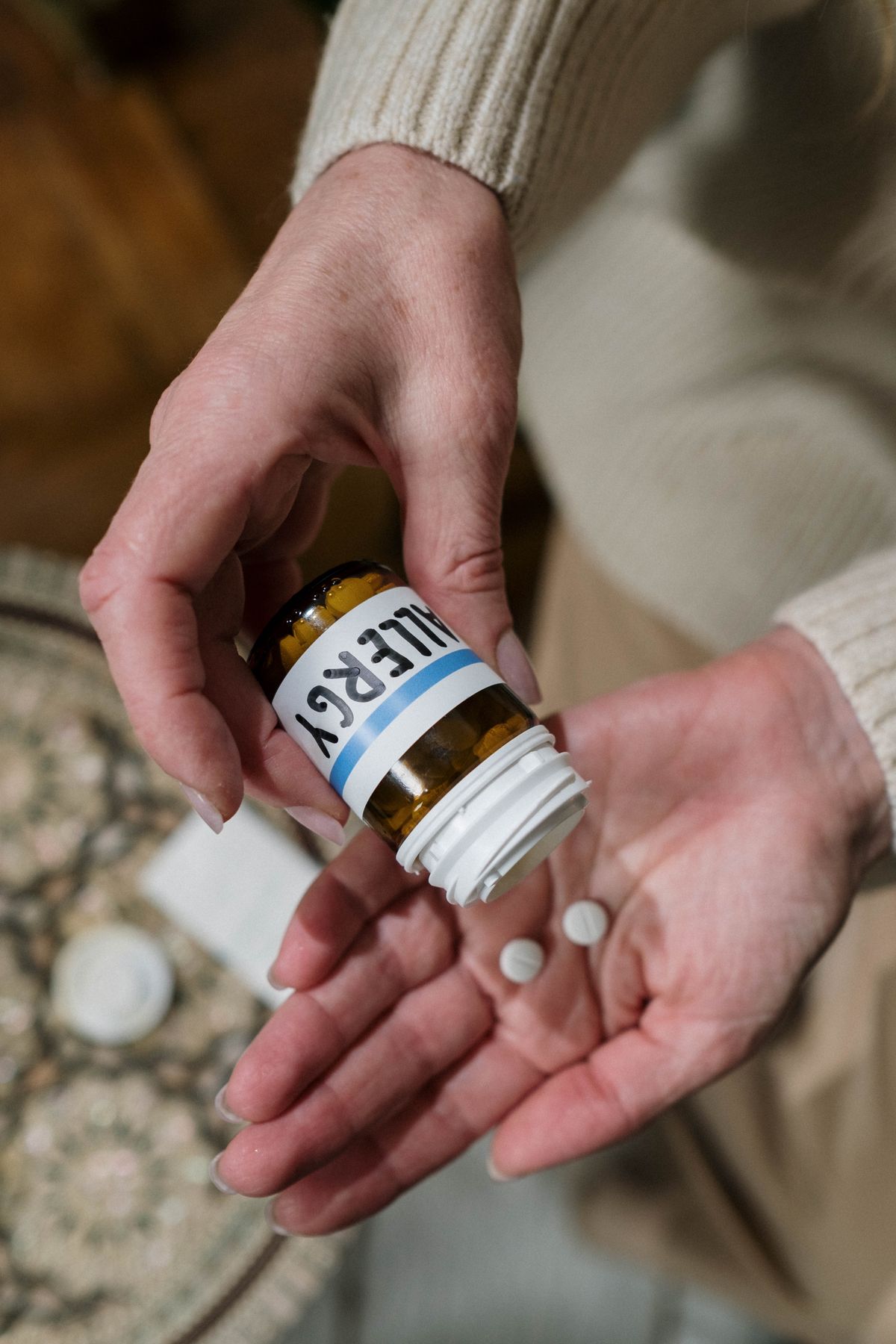

Fexet Tablet Uses, Dosage and Side Effects in Pakistan
- Fexet contains fexofenadine, a second-generation antihistamine that is truly non-drowsy
- Primarily used for allergic rhinitis (hay fever, dust allergy) and chronic urticaria (hives)
- Adults take 120 mg once daily for allergies or 180 mg once daily for hives; children 6–11 take 30 mg twice daily
- Very well tolerated — headache and nausea are uncommon; drowsiness is extremely rare
- Do NOT take with fruit juice (apple, orange, grapefruit) as it reduces absorption by up to 36%
What Is Fexet?
Fexet is the brand name for fexofenadine hydrochloride, a second-generation antihistamine widely prescribed in Pakistan for the treatment of allergic conditions. Fexofenadine is the active metabolite of terfenadine, an older antihistamine that was withdrawn from many markets due to cardiac side effects. Fexofenadine retains all of terfenadine's antihistamine efficacy while completely eliminating the dangerous cardiac risks, making it one of the safest antihistamines available today.
What sets fexofenadine apart from other antihistamines is its truly non-drowsy profile. Unlike first-generation antihistamines (diphenhydramine, chlorpheniramine, promethazine) and even some second-generation options like cetirizine, fexofenadine does not cross the blood-brain barrier in significant amounts. This means it works on allergic reactions in the body without affecting the brain's histamine receptors that regulate wakefulness and alertness. Multiple clinical trials have confirmed that fexofenadine causes drowsiness at rates virtually identical to placebo — a critical advantage for students, professionals, drivers, and anyone who cannot afford daytime sedation.
In Pakistan, fexofenadine is available under several brand names. Fexet is manufactured by Highnoon Laboratories, one of Pakistan's leading pharmaceutical companies. Other brands include Telfast (Sanofi), Allegra (Sanofi — the international brand), Fexon, and Fexodin from various local manufacturers. All contain the same active ingredient and are therapeutically equivalent when manufactured under proper quality standards. Fexet is available in 60 mg, 120 mg, and 180 mg tablet strengths and is stocked at virtually every pharmacy across Karachi, Lahore, Islamabad, Peshawar, Faisalabad, and smaller cities throughout the country.
Quick Facts
| Generic Name | Fexofenadine Hydrochloride |
| Brand Name | Fexet (Highnoon Laboratories) |
| Drug Class | Second-generation antihistamine (H1 receptor antagonist) |
| Available Strengths | 60 mg, 120 mg, 180 mg tablets |
| Available in Pakistan | Yes — widely stocked at all major pharmacy chains |
| Prescription Required | Yes (though often dispensed OTC in practice) |
| Approximate Price in PK | Rs. 15–30 per tablet (brand); Rs. 8–20 (generic) |
| Common Uses | Allergic rhinitis, chronic urticaria (hives), allergic conjunctivitis |
How Does Fexet Work?
Fexofenadine is a selective peripheral H1 receptor antagonist. To understand how it works, it helps to understand the allergic cascade it interrupts.
When your body encounters an allergen — pollen, dust mites, pet dander, mould spores — the immune system's mast cells and basophils release large quantities of histamine, a chemical mediator that binds to H1 receptors on cells throughout the body. This binding triggers the classic allergy symptoms: sneezing, runny nose, nasal congestion, itchy and watery eyes, and itchy skin. In urticaria (hives), histamine causes blood vessels in the skin to leak, producing raised, red, intensely itchy wheals.
Fexofenadine works by competitively blocking histamine at H1 receptors on the surfaces of cells in the nose, eyes, skin, and respiratory tract. By occupying these receptors before histamine can bind, fexofenadine prevents the allergic response from developing. It does not prevent histamine release itself — it simply blocks histamine from exerting its effects on target tissues.
The critical pharmacological distinction of fexofenadine is that it is a zwitterionic molecule with very low lipophilicity, meaning it has minimal ability to cross the blood-brain barrier. The brain's histamine system (mediated by H1 and H3 receptors in the central nervous system) regulates sleep-wake cycles, cognition, and alertness. First-generation antihistamines cross freely into the brain and block these central H1 receptors, causing the well-known sedation, impaired concentration, and cognitive slowing. Fexofenadine avoids this entirely. Brain occupancy studies using positron emission tomography (PET) have confirmed that fexofenadine occupies less than 10% of central H1 receptors at therapeutic doses — compared to over 75% for diphenhydramine. This is why fexofenadine is classified as a truly non-sedating antihistamine.
Additionally, fexofenadine has anti-inflammatory properties beyond simple H1 blockade. It inhibits the release of inflammatory cytokines and leukotrienes from mast cells, reduces eosinophil migration to allergic sites, and decreases adhesion molecule expression on nasal epithelial cells. These effects contribute to its efficacy in controlling the late-phase allergic response, not just the immediate symptoms.
Fexet Uses in Pakistan
Allergic Rhinitis (Hay Fever and Dust Allergy)
Allergic rhinitis is the most common indication for Fexet in Pakistan. The condition affects an estimated 20–30% of the Pakistani population and is driven by exposure to environmental allergens including house dust mites (the dominant indoor allergen in Pakistan's humid climate), pollen (especially during spring and autumn), mould spores, pet dander, and air pollution particulates that worsen allergic inflammation in urban centres like Karachi, Lahore, and Faisalabad.
Symptoms of allergic rhinitis include repeated sneezing (often in paroxysms of 10–20 sneezes), clear watery nasal discharge, nasal congestion and blockage, itching of the nose and palate, and post-nasal drip. Fexofenadine 120 mg once daily effectively controls all of these symptoms. Clinical trials have demonstrated significant improvement in total nasal symptom scores within 1–3 hours of the first dose, with sustained relief over 24 hours of once-daily dosing.
Fexet is effective for both seasonal allergic rhinitis (triggered during specific pollen seasons) and perennial allergic rhinitis (year-round, typically caused by dust mites and moulds). For perennial rhinitis, which is extremely common in Pakistan due to high indoor dust mite exposure, Fexet can be taken daily for extended periods under medical supervision without loss of efficacy or significant safety concerns. For a broader look at allergy causes, prevention, and the full range of treatment options, see our allergy treatment guide.
Chronic Idiopathic Urticaria (Hives)
Chronic urticaria is defined as the recurrence of itchy wheals (hives) and/or angioedema for more than 6 weeks without an identifiable external trigger. It affects approximately 1% of the population and is a frustrating, quality-of-life-destroying condition. Patients experience unpredictable episodes of intensely itchy raised welts on the skin that can appear anywhere on the body and last from 30 minutes to 24 hours before fading, only to reappear elsewhere. Other causes of itching and skin rash — and how to tell them apart — are covered in our itching and skin rash guide.
Fexofenadine 180 mg once daily is the recommended dose for chronic urticaria and has been shown in randomised controlled trials to significantly reduce the number, size, and itchiness of wheals compared to placebo. The higher 180 mg dose is used for urticaria (compared to 120 mg for rhinitis) because skin H1 receptors require more complete blockade for symptom control. International guidelines from EAACI/GA2LEN recommend second-generation antihistamines as first-line treatment for chronic urticaria, and fexofenadine is specifically recommended due to its excellent non-sedating profile — important because many urticaria patients require treatment for months or even years.
Allergic Conjunctivitis
Allergic conjunctivitis — itchy, red, watery eyes triggered by the same allergens that cause rhinitis — frequently accompanies allergic rhinitis (a combined condition known as allergic rhinoconjunctivitis). Fexofenadine reduces ocular symptoms including itching, tearing, and redness by blocking histamine-mediated vasodilation and nerve stimulation in the conjunctival tissues. While dedicated eye drops (olopatadine, ketotifen) may be added for severe ocular symptoms, oral Fexet often provides sufficient relief when eye symptoms are part of a broader allergic picture.
Fexet Dosage Guide
Dosing is straightforward with fexofenadine because it does not require titration or dose adjustment for most patients. However, the correct dose depends on the condition being treated and the patient's age.
| Allergic Rhinitis (Adults & 12+ years) | 120 mg once daily |
| Chronic Urticaria (Adults & 12+ years) | 180 mg once daily |
| Children (6–11 years) | 30 mg twice daily |
| Severe Kidney Disease (eGFR <30) | 60 mg once daily (reduced dose) |
| Take with | Plain water only — NOT fruit juice |
| Can be taken with or without food | Yes — food does not significantly affect absorption |
| Duration of action | 24 hours (once-daily dosing is sufficient) |
Important dosing rules:
- Always swallow with plain water. Apple juice, orange juice, and grapefruit juice reduce fexofenadine absorption by up to 36% by inhibiting OATP transporters in the gut. Wait at least 4 hours after taking Fexet before drinking fruit juice.
- Do NOT take antacids containing aluminium or magnesium (such as Maalox or Gaviscon) within 2 hours of Fexet — these also reduce absorption.
- No dose adjustment is needed for elderly patients with normal kidney function.
- Patients with severe kidney impairment (eGFR below 30 mL/min/1.73m²) should use a reduced dose of 60 mg once daily, as fexofenadine is partially excreted by the kidneys.
- If you miss a dose, take it as soon as you remember. If it is close to the time of your next dose, skip the missed dose. Never take a double dose.
Side Effects of Fexet
Common Side Effects
Fexofenadine is one of the best-tolerated medications in all of pharmacology. The side effect profile in clinical trials is remarkably close to placebo (sugar pill). The most commonly reported adverse effects include:
- Headache — reported in approximately 7–10% of patients (similar rate to placebo)
- Nausea — occasional, usually mild and transient
- Dizziness — uncommon, reported in fewer than 2% of patients
- Drowsiness — extremely rare at recommended doses; fexofenadine is the least sedating of all antihistamines
- Dry mouth — much less common than with first-generation antihistamines
- Menstrual cramps (dysmenorrhoea) — reported in some studies but causality is uncertain
The absence of significant sedation is fexofenadine's defining clinical advantage. In head-to-head studies, fexofenadine did not impair driving performance, psychomotor function, or cognitive processing — even at twice the recommended dose. This makes it the preferred antihistamine for pilots, drivers, students preparing for exams, and professionals who need complete mental clarity.
Rare but Serious Side Effects
Serious adverse effects with fexofenadine are exceptionally rare. They include:
- Hypersensitivity reactions — extremely rare; includes rash, urticaria (paradoxically), angioedema, chest tightness, and dyspnoea. Discontinue immediately and seek emergency care.
- Cardiac effects — unlike its predecessor terfenadine, fexofenadine does NOT prolong the QT interval and has no meaningful cardiac risk at therapeutic or even supra-therapeutic doses. This has been confirmed in multiple safety studies.
Who Should Avoid Fexet
Fexofenadine has very few contraindications, but certain patients require caution:
- Known allergy to fexofenadine — If you have previously experienced a hypersensitivity reaction (rash, swelling, difficulty breathing) after taking fexofenadine or terfenadine, do not take Fexet.
- Severe kidney disease — Patients with an eGFR below 30 mL/min/1.73m² need a dose reduction to 60 mg once daily because fexofenadine's renal clearance is reduced. Complete avoidance is generally not necessary, but dose adjustment is essential.
- Children under 6 years — Fexofenadine tablets are not recommended for children under 6 years due to limited safety data. For younger children with allergies, your paediatrician may recommend cetirizine or loratadine syrup formulations instead.
- Pregnancy and breastfeeding — Use only if clearly needed and prescribed by your doctor. Cetirizine and loratadine have a longer safety track record in pregnancy. Fexofenadine is excreted in breast milk in small amounts.
Fexet vs Cetirizine vs Loratadine
Pakistani patients and pharmacists frequently ask how Fexet compares to cetirizine (Zyrtec, Alerzen) and loratadine (Claritin, Clarityn). All three are second-generation antihistamines and are effective for allergic rhinitis and urticaria, but they differ in important ways. Fexofenadine is the least sedating of the three — it causes virtually no drowsiness at any dose. Cetirizine is the most potent antihistamine of the group and provides the strongest symptom relief, but approximately 10–15% of patients experience noticeable drowsiness, particularly at the standard 10 mg dose. Loratadine sits in the middle — less sedating than cetirizine but slightly less potent. For patients whose primary concern is staying alert during the day — students, drivers, professionals — Fexet is the best choice. For patients with severe allergy symptoms who are less concerned about mild sedation, cetirizine may provide marginally stronger relief. Loratadine is often chosen during pregnancy due to its extensive safety record. All three are available over-the-counter at Pakistani pharmacies at comparable prices. Another truly non-sedating alternative available in Pakistan is ebastine — covered in our Kestine tablet uses guide. Your doctor can help you determine which antihistamine is the best fit for your specific situation.
Fexet in Pakistan — Availability and Cost
Fexet (Highnoon Laboratories) and other fexofenadine brands are widely available at all major pharmacy chains across Pakistan, including Fazal Din & Sons, D.Watson, Shaheen Chemist, and thousands of independent medical stores in major cities and district towns. Fexofenadine is also stocked at government hospital pharmacies, though availability at Basic Health Units in rural areas may be inconsistent.
Price breakdown (approximate, June 2026):
- Fexet 120 mg (Highnoon), strip of 10 tablets: Rs. 180–250
- Fexet 180 mg (Highnoon), strip of 10 tablets: Rs. 250–350
- Telfast 120 mg (Sanofi), strip of 10 tablets: Rs. 300–400
- Generic fexofenadine 120 mg, strip of 10 tablets: Rs. 80–150
Compared to other chronic allergy medications, fexofenadine is very affordable — a month's supply costs less than a single specialist consultation. A prescription from a PMDC-registered doctor is recommended before starting any antihistamine to ensure correct diagnosis and appropriate dosing, especially for patients with kidney disease or those taking multiple medications.
Frequently Asked Questions
Does Fexet cause drowsiness?
Fexet (fexofenadine) is classified as a truly non-drowsy antihistamine and is the least sedating option among all antihistamines available in Pakistan. Unlike first-generation antihistamines such as diphenhydramine (Benadryl) and chlorpheniramine, fexofenadine does not cross the blood-brain barrier in significant amounts. Clinical trials involving thousands of patients have consistently shown that drowsiness rates with fexofenadine are virtually identical to placebo (sugar pill). It is specifically recommended for people who drive, operate machinery, or need to remain fully alert throughout the day — including students during exams and professionals with safety-sensitive jobs.
Can I take Fexet with fruit juice?
No — you should avoid taking Fexet with fruit juices, particularly apple juice, orange juice, and grapefruit juice. These juices contain substances that inhibit organic anion-transporting polypeptides (OATPs) in the intestinal wall. OATPs are transport proteins responsible for moving fexofenadine from the gut into the bloodstream. When these transporters are blocked by fruit juice, fexofenadine absorption decreases by up to 36%, which significantly reduces the medication's effectiveness. Always swallow Fexet with a full glass of plain water. If you want to drink fruit juice, wait at least 4 hours after taking the tablet to allow adequate absorption.
How long does Fexet take to work?
Fexet begins to relieve allergy symptoms within 1 to 3 hours after taking the tablet orally. Peak blood levels of fexofenadine are reached in approximately 2.6 hours. The antihistamine effect lasts for a full 24 hours with the 120 mg and 180 mg doses, which is why once-daily dosing is sufficient for most adult patients. For best results during allergy season or for chronic urticaria management, take Fexet at the same time each day to maintain consistent drug levels in the body. Symptom relief improves progressively over the first few days of regular use as steady-state levels are achieved.
Can Fexet be taken during pregnancy?
Fexofenadine is classified as FDA Pregnancy Category C, meaning that animal reproduction studies have shown some adverse effects on the foetus but there are no adequate, well-controlled studies in pregnant women. The medication should only be used during pregnancy if the potential benefit clearly justifies the potential risk. In Pakistani clinical practice, most gynaecologists and allergists prefer cetirizine or loratadine as the first-choice antihistamines during pregnancy, as these medications have a longer human safety record and more reassuring data. Fexofenadine is also excreted in breast milk in small amounts. Always consult your obstetrician or gynaecologist before taking any allergy medication during pregnancy or while breastfeeding.
What is the difference between Fexet 120 mg and 180 mg?
The two doses target different conditions. Fexet 120 mg is the standard recommended dose for allergic rhinitis — this includes hay fever, dust allergy, pollen allergy, and pet dander sensitivity. It provides adequate H1 receptor blockade to control nasal and ocular allergy symptoms for a full 24 hours. Fexet 180 mg is specifically recommended for chronic idiopathic urticaria (hives), where a higher degree of peripheral H1 receptor blockade is needed to effectively suppress the itching, wheals, and skin flushing. Both doses are taken once daily with plain water. Your doctor will select the appropriate strength based on your diagnosis — do not increase from 120 mg to 180 mg on your own without medical advice, as doing so is unnecessary for rhinitis and will not provide additional benefit.
Can I take Fexet every day for a long time?
Yes — under medical supervision, fexofenadine can be taken daily for extended periods without loss of efficacy or significant safety concerns. This matters because the two main conditions it treats are often long-term: perennial allergic rhinitis (driven by year-round dust mite exposure, extremely common in Pakistan) and chronic urticaria, where patients may require treatment for months or even years. Its non-sedating profile is precisely why international guidelines recommend it for long-term use. That said, do not continue any medication indefinitely on your own — have regular follow-ups so your doctor can confirm the treatment is still needed, and reduce it if your allergen exposure can be controlled instead.
Is Fexet safe for children?
Fexet can be used in children aged 6 years and above, at a reduced dose: children 6–11 years take 30 mg twice daily, while children 12 years and older can take the adult dose (120 mg or 180 mg once daily) as advised by a doctor. Fexofenadine tablets are not recommended for children under 6 years due to limited safety data — for younger children, a paediatrician may recommend cetirizine or loratadine syrup formulations instead. Always consult a paediatrician before giving any antihistamine to a child.
How much does Fexet cost in Pakistan?
Fexet is one of the more affordable chronic allergy treatments in Pakistan. A strip of 10 tablets of Fexet 120 mg (Highnoon) costs approximately Rs. 180–250, while Fexet 180 mg costs Rs. 250–350 per strip. The international brand Telfast 120 mg (Sanofi) runs Rs. 300–400 per strip, and generic fexofenadine 120 mg can be found for Rs. 80–150. A month's supply typically costs less than a single specialist consultation. It is widely stocked at Fazal Din & Sons, D.Watson, Shaheen Chemist, and independent medical stores — always buy from a licensed pharmacy.
Need Advice on Allergy Treatment?
Ask PMDC-registered doctors on Ilaaj AI — get a response in under 5 minutes, from anywhere in Pakistan.
Ask Now →
Ilaaj AI is Pakistan's first AI-powered health platform. Chat about your symptoms in Urdu or English, get AI-powered triage, and receive doctor-verified prescriptions — affordable and accessible, 24/7.
Need Health Advice?
Chat with our AI health assistant in any language. Get doctor-verified prescriptions at affordable rates.