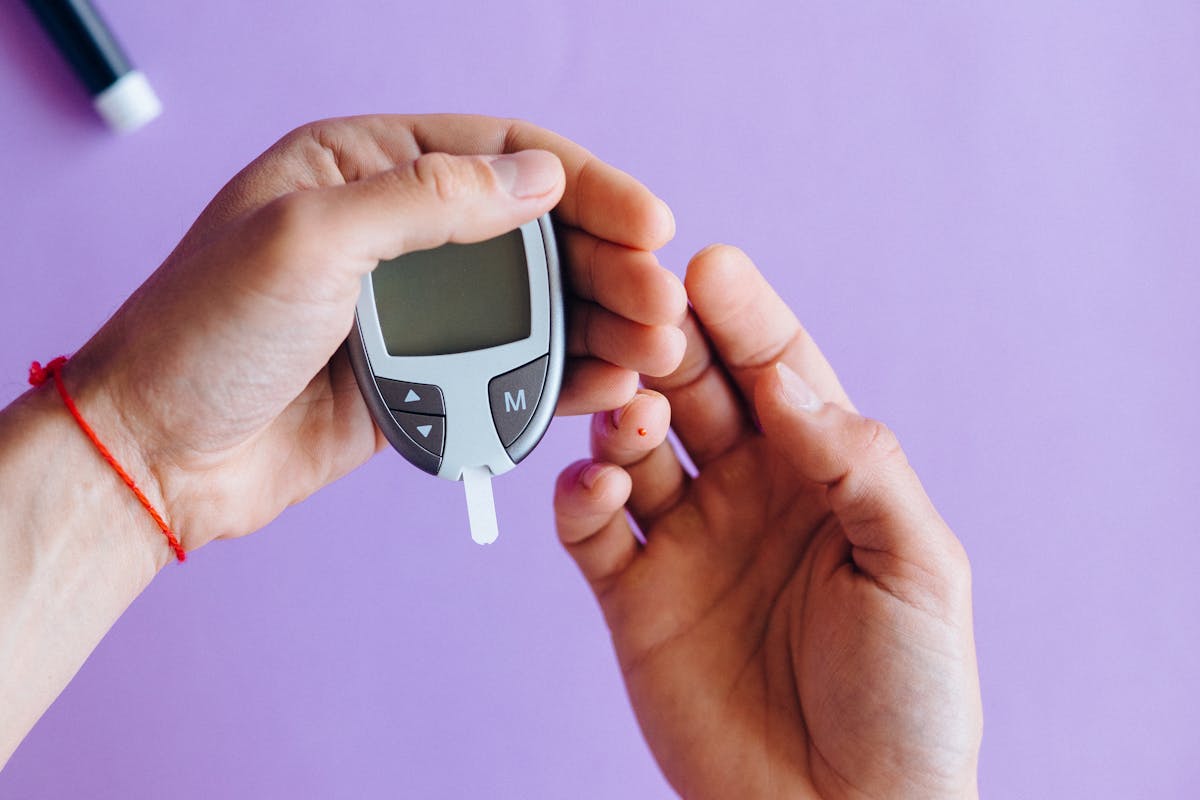

What is Diabetes — Complete Guide to Sugar Disease in Pakistan
- Diabetes is an abnormally high level of glucose (sugar) in the blood
- Type 1 (no insulin produced), Type 2 (insulin does not work properly)
- Pakistan has the world's 3rd largest diabetic population
- Symptoms: excessive thirst, frequent urination, fatigue, weight loss
- Diagnosis: fasting glucose 126+ mg/dL or HbA1c 6.5%+
What is Diabetes (Sugar Disease)?
Diabetes (medical term: diabetes mellitus) is a condition in which the level of glucose (sugar) in your blood rises above normal. This happens because your body either produces too little insulin or cannot use it effectively.
What is Insulin?
Insulin is produced in the pancreas (an organ near the stomach). It is a hormone that carries blood sugar into cells where it is used for energy. Think of insulin as the key that unlocks the door to your cells for glucose.
| Total cases | 33 million adults — 3rd largest in the world |
| Pre-diabetes | 40 million more people on the borderline |
| Awareness | 50% of patients unaware of their diagnosis |
| South Asian risk | 2–4 times higher than other ethnicities |
| Average diagnosis age | 40–50 years (and falling) |
Types of Diabetes
1. Type 1 Diabetes (5–10% of Cases)
The pancreas produces no insulin at all. This is an autoimmune condition in which the body's immune cells attack and destroy the insulin-producing cells of the pancreas.
Key characteristics:
- Usually begins in childhood or young adulthood
- Insulin injections are required for life
- Symptoms develop suddenly
- Patients are often slim
- Family history is not always present
2. Type 2 Diabetes (90% of Cases)
The pancreas produces insulin, but the body's cells do not respond to it (insulin resistance). In Pakistan, 90% of diabetics have this type.
Key characteristics:
- Usually affects adults, but increasingly seen in teenagers
- Related to both lifestyle and genetics
- Symptoms develop slowly
- Family history is a strong predictor
- Patients are often overweight
- Manageable with diet, exercise, and medication
3. Gestational Diabetes
Diabetes that develops during pregnancy. It usually resolves after the baby is born, but increases the risk of developing Type 2 diabetes in the future.
4. Pre-Diabetes
Blood sugar is higher than normal but not yet in the diabetes range. Reversible with lifestyle changes.
Symptoms of Diabetes
Classic Symptoms (The Three P's):
- Polydipsia: Excessive thirst
- Polyuria: Frequent urination — especially at night
- Polyphagia: Excessive hunger
Other Common Symptoms:
- Unexplained weight loss without dieting (especially in Type 1)
- Constant fatigue
- Blurred vision
- Slow wound healing
- Recurrent fungal infections (genital area, mouth)
- Tingling or numbness in hands and feet
- Dry mouth
- Skin rashes
- Reduced sex drive
- Erectile dysfunction
Hidden Symptoms in Type 2:
In Pakistan, 50% of Type 2 diabetics are unaware of their diagnosis because symptoms develop slowly. It is often discovered on a routine blood test.
Causes of Diabetes
Type 1:
- Genetic predisposition
- Autoimmune attack on the pancreas
- Possible viral trigger
- Family history (less significant than in Type 2)
Type 2 (Common in Pakistan):
- Genetics: South Asian ancestry — high risk
- Family history: A direct relative with diabetes doubles your risk
- Obesity: Especially belly fat
- Physical inactivity
- Diet: White rice, white bread, sweets, soft drinks
- Age: 45 years and above
- History of gestational diabetes
- PCOS (in women)
- High blood pressure, high cholesterol
- Stress and poor sleep
- Smoking
Diagnosis of Diabetes
Tests:
| Test | Normal | Pre-Diabetes | Diabetes |
| Fasting glucose | < 100 mg/dL | 100–125 | 126+ |
| Random glucose | < 140 mg/dL | 140–199 | 200+ |
| HbA1c | < 5.7% | 5.7–6.4% | 6.5%+ |
| OGTT (2 hours) | < 140 mg/dL | 140–199 | 200+ |
HbA1c — The Most Important Test
HbA1c shows the average blood sugar level over the past 3 months. In Pakistan, it is recommended every 6 months for people with diabetes and those at high risk.
Complications of Diabetes
Untreated or poorly controlled diabetes leads to serious complications:
Acute (Sudden):
- DKA (Diabetic Ketoacidosis) — mainly in Type 1, life-threatening
- HHS (Hyperosmolar Hyperglycaemic State) — severely high blood sugar
- Hypoglycaemia — dangerously low blood sugar, often from medication overdose
Chronic (Long-term):
- Eye damage (retinopathy) — a leading cause of blindness
- Kidney damage (nephropathy) — the top cause of dialysis in Pakistan
- Nerve damage (neuropathy) — numbness in feet, foot ulcers
- Heart disease — heart attack risk 2–4 times higher
- Stroke risk 2–4 times higher
- Foot amputations — from diabetic foot ulcers
- Erectile dysfunction
- Increased susceptibility to infections
Need a blood sugar test or worried about diabetes? Chat with an AI doctor on Ilaaj AI — lab test guidance and a treatment plan from home.
Chat with AI Doctor NowRisk Factors — Are You at Risk?
You should be tested for diabetes if any of the following apply:
- Age 40 or above
- Family history of diabetes
- Overweight (BMI 23+)
- Abdominal obesity (waist 90+ cm in men, 80+ cm in women)
- Previous gestational diabetes
- PCOS
- High blood pressure (140/90+)
- High cholesterol
- Sedentary lifestyle
- South Asian ancestry
- Pre-diabetes diagnosis
Diabetes and Pakistan
Why is there a diabetes epidemic in Pakistan?
- South Asian genetic predisposition — 2–4 times the risk of Europeans
- Diet: White rice, white bread, sweets, ghee — high glycaemic load
- Sedentary urban lifestyle
- Stress and poor sleep
- Low awareness
- Late diagnosis
- Affordability barriers for medications and monitoring
Prevention (Type 2)
Type 2 diabetes is preventable:
- Maintain a healthy weight (losing 5–10% of body weight reduces risk by 60%)
- Walk 30 minutes daily
- Healthy diet: Whole grains, vegetables, lentils, fish
- Reduce white rice and white bread
- Cut out sweets and soft drinks
- Annual screening after age 40
- Stress management
- 7–8 hours of sleep
Type 1 vs Type 2 — Quick Comparison
| Type 1 | Type 2 |
| No insulin produced | Insulin produced but not effective |
| 5–10% of cases | 90% of cases |
| Childhood / young adulthood | Usually 40+ |
| Typically slim patients | Often overweight |
| Sudden onset of symptoms | Slow onset of symptoms |
| Lifelong insulin required | Tablets + lifestyle often sufficient |
| Autoimmune | Genetic + lifestyle |
| No cure | Reversible with lifestyle changes (early stage) |
Conclusion
Diabetes is a silent epidemic in Pakistan that causes serious complications if left untreated. However, with early diagnosis and lifestyle changes, it is manageable — and even reversible in Type 2 at an early stage. Get an annual screening after age 40; those with a family history should test earlier. Chat with a doctor on Ilaaj AI for consultation and lab test guidance from home.
Frequently Asked Questions
What is the main cause of diabetes (sugar disease)?
Type 1 diabetes is an autoimmune condition where the pancreas produces no insulin. Type 2 (90% of cases) is caused by insulin resistance — usually genetics combined with lifestyle (overweight, low exercise, white rice/bread diet, sedentary habits). Pakistan's South Asian population carries a much higher genetic predisposition — 2 to 4 times the risk of Europeans. Family history is the single strongest predictor.
How do I recognise diabetes? What are the symptoms?
Classic symptoms: excessive thirst, frequent urination (especially at night), extreme hunger but weight loss. Other signs: fatigue, blurred vision, slow wound healing, recurrent fungal infections, tingling in hands and feet, dry mouth. In Type 2, 50% of people have no symptoms — it is found on a routine blood test. Annual screening is essential after age 40.
Which test is used to diagnose diabetes?
3 main tests: 1) Fasting blood glucose (8 hours fasting) — 126 mg/dL or above = diabetes. 2) HbA1c (3-month average) — 6.5% or above = diabetes. 3) OGTT (oral glucose tolerance) — 200 mg/dL or above 2 hours after 75g glucose. A random glucose of 200+ with symptoms also confirms the diagnosis. HbA1c every 6 months is the best monitoring test for people with diabetes.
Can Type 2 diabetes be reversed?
Early-stage Type 2 diabetes can be reversed or put into remission through lifestyle changes. Losing 5–10% of body weight leads to significant improvement in 60% of people. A strict low-carb diet, daily exercise (30-minute walk), and stress management can bring HbA1c below 6.5%. However, ongoing monitoring is essential — the "cure" is not permanent; the lifestyle change must be maintained. Type 1 cannot be reversed.
Is diabetes hereditary?
The genetic factor is strong but not deterministic. Type 2 risk: If a direct relative (parent, sibling) has diabetes, your risk doubles. If both parents have it, risk is 5–7 times higher. South Asian ancestry carries a 2–4 times higher baseline risk than Europeans. However, lifestyle factors (weight, exercise, diet) are more important than genes — prevention is possible even for high-risk individuals. The genetic component in Type 1 is less strong.
Ilaaj AI is Pakistan's first AI-powered health platform. Chat about your symptoms in Urdu or English, get AI-powered triage, and receive doctor-verified prescriptions — affordable and accessible, 24/7.
Need Health Advice?
Chat with our AI health assistant in any language. Get doctor-verified prescriptions at affordable rates.