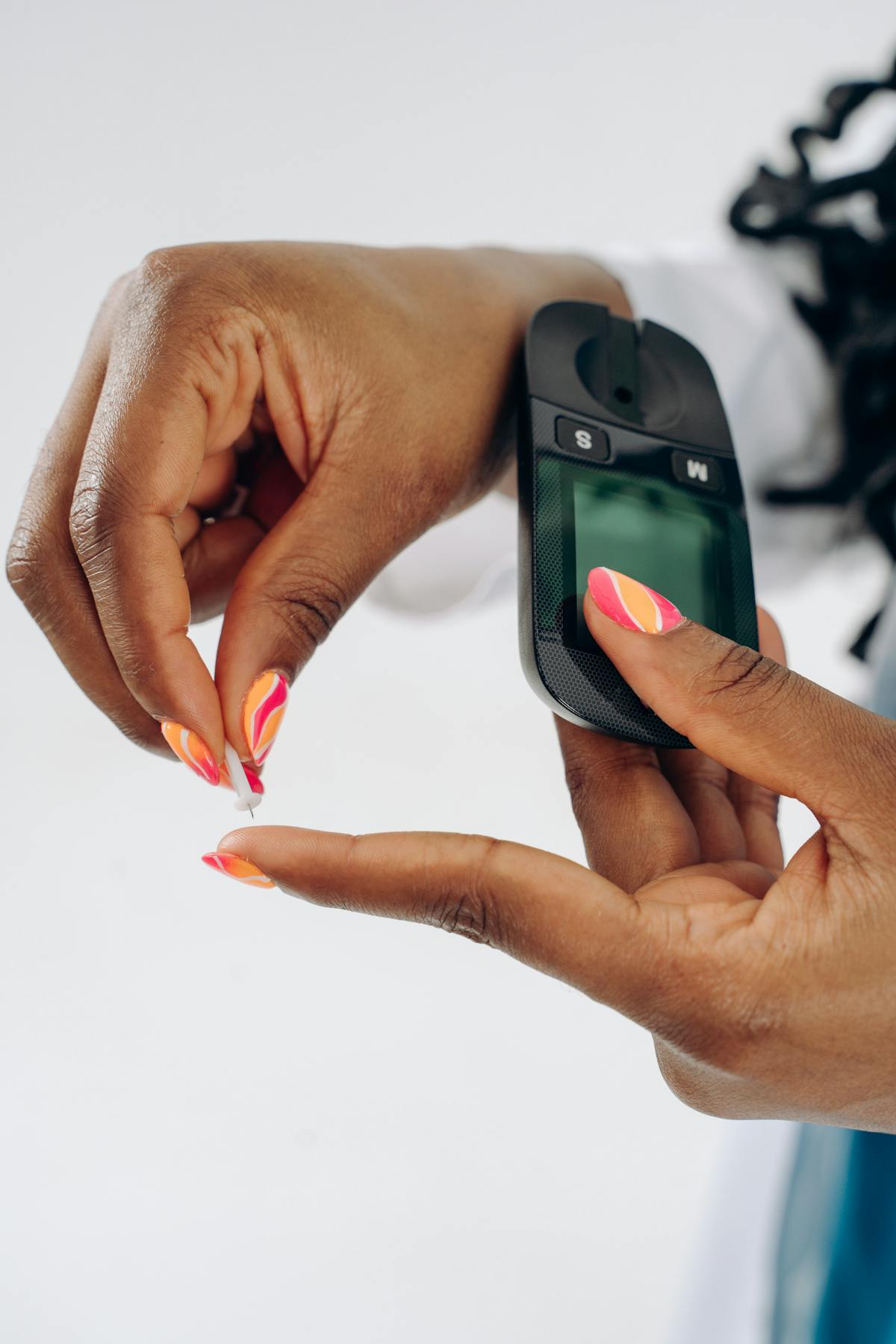

Diabetes Treatment — Control, Diet and Medicine in Pakistan
- Pakistan has the world's 3rd largest diabetic population
- Type 2 diabetes accounts for 90% of cases and is largely controllable through lifestyle
- Metformin is the first-line medication — take only on doctor's prescription
- 30 minutes of daily walking plus diet changes are the most effective interventions
- Fasting glucose 126+ mg/dL or HbA1c 6.5%+ confirms a diabetes diagnosis
What Is Diabetes?
In diabetes, your body either produces too little insulin or the insulin it makes does not work properly. Insulin is the hormone that delivers blood sugar into cells for energy. When insulin is insufficient, sugar accumulates in the bloodstream and gradually damages the eyes, kidneys, heart, and feet.
| Total cases | More than 33 million adults — 3rd largest in the world |
| Most common type | Type 2 — 90% of cases (lifestyle-related) |
| Pre-diabetes | Another 40 million people are on the borderline |
| Diagnosis criteria | Fasting glucose 126+ mg/dL or HbA1c 6.5%+ |
| Target HbA1c | Below 7% for most diabetic patients |
Recognising the Symptoms of Diabetes
- Excessive thirst
- Frequent urination, especially at night
- Intense hunger despite losing weight
- Persistent tiredness and fatigue
- Blurred vision
- Slow-healing wounds
- Recurrent fungal infections (particularly in the genital area)
- Tingling or numbness in the hands and feet
Types of Diabetes
Type 1 Diabetes
Usually begins in childhood or young adulthood. The pancreas produces no insulin at all. Insulin injections are required for life. In Pakistan, 5–10% of diabetics have Type 1.
Type 2 Diabetes (Most Common)
Affects adults and is largely lifestyle-related. The pancreas produces insulin, but cells do not respond to it properly. Controlled with diet, exercise, and medication. Around 90% of Pakistani diabetics have this type.
Gestational Diabetes
Develops during pregnancy and usually resolves after delivery, but increases the risk of Type 2 diabetes later in life.
Diabetes Treatment — Lifestyle First
1. Diet — The Most Important Factor
Pakistan's traditional diet (rice, flatbread, sweets) is a challenge for blood sugar management. Make these changes:
- Bread (roti): Replace white-flour roti with a wheat-and-chickpea flour blend, or jowar/bajra rotis
- Rice: Choose brown rice or low-GI basmati with strict portion control
- Sweets and bakery items: Mostly avoid; an occasional small portion is acceptable
- Soft drinks and juices: Eliminate entirely — drink water or green tea instead
- Fruit: Apple, jamun, guava, and kinno are fine — mangoes, bananas, and grapes are high in sugar
- Vegetables: Spinach, bitter gourd (proven blood-sugar-lowering), okra, and black-eyed peas
- Protein: Lentils, eggs, chicken (skinless), and fish — include in every meal
- Healthy fats: Almonds, walnuts, olive oil, avocado (in moderation)
- Smaller, more frequent meals — 3 to 5 times a day instead of 2 large ones
2. Exercise
A daily 30-minute walk can lower blood sugar by 30–50 mg/dL. Aim for at least 5 days a week. Resistance training (light weights) also improves insulin sensitivity.
3. Lose Weight
Losing just 5–10% of body weight can put Type 2 diabetes into remission. Abdominal fat is particularly harmful.
4. Stress and Sleep
The stress hormone cortisol raises blood sugar. Getting 7–8 hours of sleep nightly and practising deep breathing or prayer/meditation is genuinely beneficial.
Best Diabetes Medicines Available in Pakistan
These medications require a doctor's prescription:
- Metformin (Glucophage): First-line choice — affordable and safe. 500–2000 mg/day
- Sulfonylureas (Glimepiride, Gliclazide): Stimulate the pancreas to produce more insulin
- DPP-4 inhibitors (Sitagliptin): Newer class with fewer side effects
- SGLT2 inhibitors (Empagliflozin): Also protect the heart and kidneys
- GLP-1 agonists (Ozempic, Trulicity): Aid weight loss but are expensive
- Insulin: Essential for Type 1; used in advanced Type 2 cases
Struggling to control your blood sugar? Get doctor-verified advice and medication adjustments on Ilaaj AI — in just a few minutes.
Chat with a Diabetes SpecialistImmediate Treatment for High Blood Sugar
If your reading is 250+ mg/dL:
- Drink plenty of water (the kidneys excrete excess sugar through urine)
- Take a 20–30 minute light walk
- Do not skip your regular insulin or medication
- Stop eating bread and rice immediately — only vegetables and protein
- Recheck after 1–2 hours
- A reading of 400+, or symptoms alongside it, is an ER emergency (risk of DKA)
Low Blood Sugar (Hypoglycaemia)
This can occur in diabetics when medication dosage is too high. Symptoms include sweating, trembling, anxiety, hunger, and fainting.
Immediate action: Take 3–4 teaspoons of sugar dissolved in water, glucose tablets, or juice. Recheck after 15 minutes. If the person is unconscious, do not give anything by mouth — go to hospital immediately.
Special Considerations for Pakistan
- Ramadan fasting: Consult your doctor beforehand — medication timing must be adjusted
- Foot care: Inspect your feet daily; treat any cut or injury immediately. Diabetic foot is an extremely common complication in Pakistan
- Eye check: Annual retinal examination is essential
- Kidney test: Urine albumin and creatinine every 6 months
- HbA1c: Check every 3 months
When to See a Doctor Immediately
- Blood sugar 400+ mg/dL or 60– mg/dL
- Extreme thirst, frequent urination, vomiting, or "fruity" smelling breath — signs of DKA
- Loss of consciousness or confusion
- Foot ulcer or infection
- Sudden blurred vision
- Pregnant with uncontrolled blood sugar
Conclusion
There is currently no complete cure for diabetes, but it is entirely manageable. Medication alone is not enough — diet, exercise, regular monitoring, and doctor visits all play a role. In Pakistan, traditional remedies such as bitter gourd and black seed do provide some benefit, but they cannot replace prescribed medication. On Ilaaj AI, you can get regular follow-ups, medication adjustments, and diet plans — without waiting in a long queue at an endocrinology clinic.
Frequently Asked Questions
What is the best medicine for diabetes in Pakistan?
For Type 2 diabetes, Metformin (Glucophage) is the first-line choice — affordable, safe, and effective. Depending on the situation, a doctor may also prescribe Sulfonylureas, DPP-4 inhibitors, SGLT2 inhibitors, or newer GLP-1 agents (Ozempic). Type 1 diabetes requires insulin for life. Never change your medication without your doctor's guidance.
What are natural ways to control blood sugar?
Bitter gourd (karela) juice, black seed (kalonji), fenugreek seeds (methi), jamun, and cinnamon are all proven to moderately lower blood sugar. However, these are supplements — not replacements for medication. The most effective natural approach is: cut refined carbohydrates, walk daily, eliminate sweets and soft drinks, and lose 5–10% of body weight.
What is the immediate treatment for high blood sugar?
If your reading is 250+ mg/dL: drink plenty of water, take a 20–30 minute light walk, do not skip your regular insulin or medication, stop eating bread and rice. Eat only vegetables and protein. Recheck after 1–2 hours. A reading of 400+, vomiting, fruity breath, or loss of consciousness is a DKA emergency — go to hospital immediately.
What should a diabetic eat in Pakistan?
Good choices include chapati made with wheat-and-chickpea flour, brown rice, lentils, eggs, skinless chicken, fish, vegetables (spinach, bitter gourd, okra), and low-GI fruits (apple, jamun, guava). Eat small meals 3–5 times a day. Avoid sweets, soft drinks, white bread, fried food, large portions of mango, bananas, grapes, or white rice, and late-night meals.
Is fasting in Ramadan safe for diabetics?
It depends on your blood sugar control and medication. Fasting is generally not safe for Type 1 diabetes or advanced Type 2 (on insulin). You must consult your doctor before Ramadan to adjust medication timing. At sehri, eat protein and slow-digesting foods. At iftar, limit dates to 2–3 and keep the meal light. A Continuous Glucose Monitor is highly recommended.
Ilaaj AI is Pakistan's first AI-powered health platform. Chat about your symptoms in Urdu or English, get AI-powered triage, and receive doctor-verified prescriptions — affordable and accessible, 24/7.
Need Health Advice?
Chat with our AI health assistant in any language. Get doctor-verified prescriptions at affordable rates.