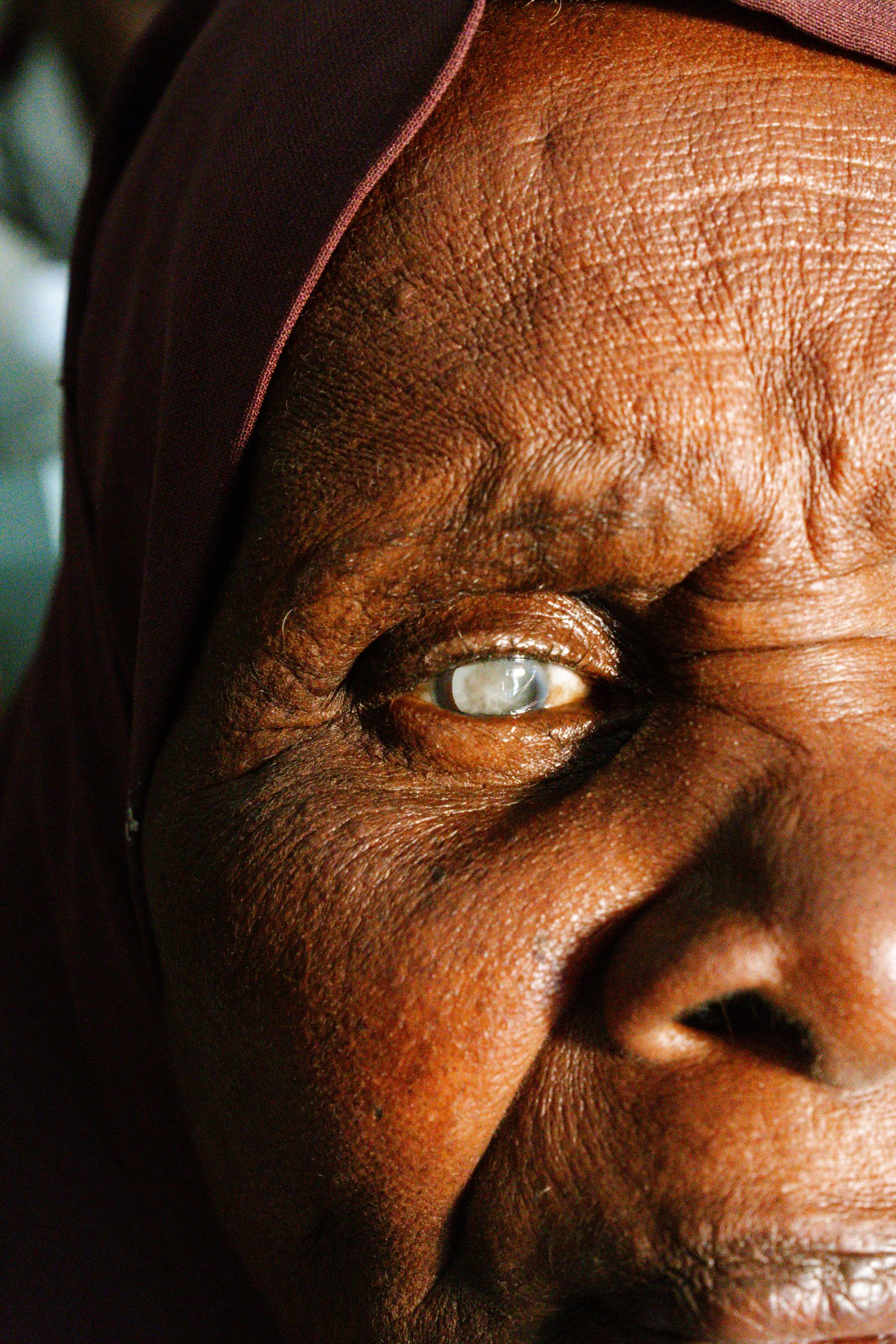

Cataract Treatment — Symptoms, Surgery and Elderly Care Guide
- A cataract causes the eye's lens to gradually become cloudy
- Age is the biggest cause — very common after 60
- Surgery is the only definitive treatment
- Modern cataract surgery is quick, safe, and highly successful
- Leaving it untreated can cause complete blindness
| Common in | Age 60+, but can occur earlier too |
| Main symptom | Blurry vision, light sensitivity |
| Treatment | Surgery — lens replacement |
| Surgery duration | 15-30 minutes per eye |
| Recovery | A few days to weeks in most cases |
What Is a Cataract?
A cataract occurs when the eye's natural lens gradually becomes cloudy — clear vision is replaced by cloudy or foggy vision. It's the most common eye condition with age, but can also result from diabetes, injury, or certain medications.
Symptoms
- Blurry or foggy vision
- Light sensitivity (discomfort from bright light or headlights)
- Difficulty seeing at night
- Colors appearing faded
- Frequent changes in glasses prescription
- Double vision in one eye
- Halos around lights
Causes
- Age — the most common cause, protein clumping in the lens
- Diabetes — increases cataract risk
- Sunlight/UV exposure — long-term exposure without sunglasses
- Smoking
- Eye injury or surgery
- Long-term steroid use
- Family history
- Congenital — present at birth in some children
Treatment — Surgery Is the Solution
In early stages, stronger glasses or better lighting may suffice, but when vision starts affecting daily life, surgery becomes necessary. No eye drops or medication can reverse a cataract.
Cataract Surgery Process:
- The cloudy lens is removed and replaced with a clear artificial lens (IOL)
- Local anesthesia — the patient stays conscious
- 15-30 minutes per eye — an outpatient procedure
- Modern technique — phacoemulsification (small incision, quick recovery)
Recovery:
- Most patients can resume normal activities the next day
- Full recovery can take 4-6 weeks
- Eye drops are prescribed for infection prevention and healing
- Avoid heavy lifting and eye rubbing during the initial period
Is your vision getting blurry or are you more sensitive to light? Consult a doctor on Ilaaj AI.
Consult a Doctor NowElderly Care — Tips for Families
- Encourage regular eye checkups, especially after age 60
- Good lighting at home — to prevent falls
- Provide support during and after surgery — transportation, medication reminders
- Watch for signs of depression or isolation from vision problems
- Address fears about cataract surgery — it's a common and safe procedure
Safety and Success Rate of Cataract Surgery
Modern cataract surgery is one of the most successful surgeries in the world — vision improves significantly in over 95% of patients. It's also widely available and affordable in Pakistan, with free or subsidized options at government hospitals.
Risks of Ignoring It
Leaving a cataract untreated can gradually lead to complete blindness. It's a reversible condition, but only through timely surgery — the longer you wait, the harder the surgery can become as the lens hardens.
When to See a Doctor
- Vision is gradually getting blurry
- Daily activities (driving, reading) are becoming difficult
- Unusual sensitivity to light
- Haven't had a routine eye checkup after age 60
Conclusion
A cataract is a highly treatable condition — surgery can significantly restore vision. There's no benefit to delaying, especially since modern surgery is so safe and effective. Consult a doctor on Ilaaj AI and schedule a checkup for yourself or your elderly family members.
Frequently Asked Questions
How safe is cataract surgery?
Cataract surgery is one of the safest and most successful surgeries in the world — vision improves significantly in over 95% of patients. Modern phacoemulsification technique uses a small incision and offers quick recovery.
Can a cataract be treated with medication?
No, no eye drops or medication can reverse a cataract. Only surgery can replace the cloudy lens with a clear artificial lens (IOL) — this is the definitive treatment.
How long does recovery take after cataract surgery?
Most patients can resume normal activities the next day, but full recovery can take 4-6 weeks. During this time, using eye drops and avoiding heavy lifting/rubbing is important.
At what age does cataract typically start?
It usually occurs after age 60, but can occur earlier due to diabetes, eye injury, or long-term steroid use. Some children have it congenitally (present at birth).
What happens if a cataract is ignored?
Leaving it untreated can gradually worsen and eventually lead to complete blindness. It's reversible only through timely surgery — the longer you wait, the harder the lens becomes and the more difficult surgery may be.
Ilaaj AI is Pakistan's first AI-powered health platform. Chat about your symptoms in Urdu or English, get AI-powered triage, and receive doctor-verified prescriptions — affordable and accessible, 24/7.
Need Health Advice?
Chat with our AI health assistant in any language. Get doctor-verified prescriptions at affordable rates.