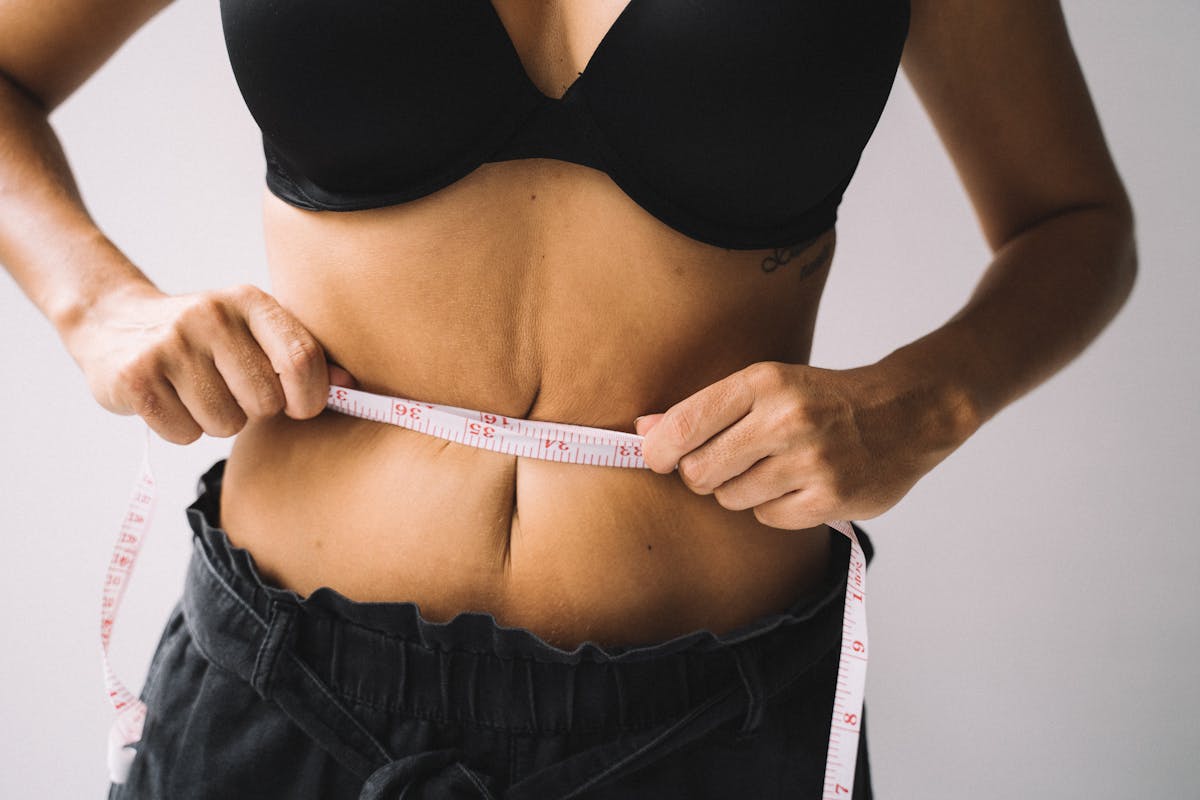

Weight Loss Tips — Diet, Exercise and Pakistani Lifestyle
- Sustainable weight loss = 0.5–1 kg per week
- Diet accounts for 80%, exercise for 20%
- A calorie deficit of 500 kcal per day is the foundation
- Crash diets backfire and cause long-term harm
- Losing just 5–10% of body weight significantly improves diabetes and blood pressure
Obesity — A Major Issue in Pakistan
More than 40% of Pakistani adults are overweight or obese. The causes include a high-calorie diet (white bread, parathas, sweets), low physical activity, and sedentary urban lifestyles. Obesity leads to diabetes, high blood pressure, heart disease, joint pain, and depression.
| Underweight | BMI < 18.5 |
| Normal | BMI 18.5–24.9 |
| Overweight | BMI 25–29.9 |
| Obese | BMI 30+ |
| Healthy weight loss rate | 0.5–1 kg per week |
How to calculate BMI: Weight (kg) ÷ height (m)². For South Asians in Pakistan, the threshold is slightly lower — overweight is classified at BMI 23+.
Causes of Obesity
- Calorie surplus: Consuming more than you burn
- Pakistani diet: White bread, rice, sweets, ghee, fried foods
- Sedentary lifestyle: Desk jobs, mobile phones, television
- Poor sleep: Less than 6 hours disturbs appetite-regulating hormones
- Stress: Cortisol increases abdominal fat deposition
- Hormonal causes: Hypothyroidism, PCOS, Cushing's syndrome
- Genetic predisposition
- Medications: Corticosteroids, antidepressants, insulin
The Principles of Sustainable Weight Loss
Calorie Deficit (Most Important)
To lose weight, you need to consume 500 kcal less per day than you currently eat. Since 1 kg of fat equals approximately 7,700 kcal, losing 0.5–1 kg per week is a realistic target.
Approximate daily calorie needs:
- Sedentary woman: 1,800–2,000 kcal/day
- Sedentary man: 2,200–2,500 kcal/day
- Weight loss target: subtract 500 kcal per day
Pakistani Weight Loss Diet Plan
Breakfast:
- 2 boiled eggs + 1 wholemeal roti + 1 cup unsweetened tea
- Or: oats with almonds and banana
- Or: grilled chicken sandwich (replace paratha entirely)
Mid-Morning Snack:
- 1 apple + 5 almonds
- Or: green tea + 1 small piece of fruit
Lunch (Largest Meal):
- 2 wholemeal rotis + cooked vegetables + 1 cup lentils + 1 cup yoghurt
- Or: ½ cup brown rice + grilled chicken + salad
- Cook vegetables with minimal oil or oil-free
Evening Snack:
- 1 cup unsweetened tea + 2 plain crackers
- Or: roasted chickpeas
- Or: fruit chaat (without cream)
Dinner (Light, at Least 3 Hours Before Bed):
- 1 roti + cooked vegetables + small portion of grilled meat
- Or: vegetable soup + grilled fish
- Or: salad + 2 boiled eggs
Foods to Eat
- Protein: Eggs, skinless chicken, fish, lentils, low-fat paneer
- Whole grains: Wholemeal roti, brown rice, oats, millet (bajra)
- Vegetables: Spinach, fenugreek leaves, broccoli, okra, black-eyed peas, aubergine
- Fruits (in moderation): Apples, jamun, guava, oranges, papaya
- Healthy fats: Olive oil, almonds (5–7), walnuts (3–4)
- Drinks: Water, green tea, lemon water, jamun shake
Foods to Avoid
- Traditional sweets — gulab jamun, rasgulla, halwa
- Soft drinks (Pepsi, Coke) — including diet versions
- Packaged fruit juices (very high in sugar)
- Bakery items (cakes, pastries, biscuits)
- White bread and paratha
- Fried foods (samosas, pakoras, chips)
- Fast food (pizza, burgers eaten daily)
- Excess ghee and butter
- Mango, banana, grapes (very high in sugar)
Struggling to stay consistent with your diet? Get a personalised Pakistani meal plan from a nutritionist on Ilaaj AI — from home.
Chat with AI Doctor NowExercise Plan
Beginner (First Month):
- 30 minutes of walking at a moderate pace daily
- 5 days per week
- Take stairs instead of lifts
Intermediate (2–3 Months):
- 45 minutes of walking or light jogging
- Basic strength training 2 days per week (push-ups, squats, planks)
- Target 10,000 steps per day
Advanced:
- Cardio 4 days + weights 2 days per week
- HIIT (High Intensity Interval Training)
- Yoga or pilates 1–2 days per week
Realistic Tips for Pakistan:
- Use post-Ramadan motivation to start fresh
- Walk outdoors in the morning or evening (lower smog levels)
- Indoor alternatives: stairs, jumping jacks, online workout videos
- No gym membership required — home workouts are effective
- Women: walking groups or YouTube routines work well
Reducing Belly Fat
Abdominal fat is the most dangerous — it is directly linked to diabetes and heart disease.
Specific strategies:
- Eliminate sugar and refined carbohydrates
- Include protein in every meal
- Increase soluble fibre (oats, figs, flaxseed)
- Reduce stress levels
- Sleep 7–8 hours per night
- Apple cider vinegar (1 teaspoon in water)
- 2–3 cups of green tea daily
- Strength training (builds muscle and raises metabolism)
Spot reduction is a myth — crunches alone do not remove belly fat. Overall fat loss across the body is required.
The Dangers of Crash Diets
"Lose 5 kg in 7 days" type diets:
- Only water weight and muscle mass are lost — not fat
- Metabolism slows down significantly
- Weight rebounds even higher after stopping (yo-yo effect)
- Nutritional deficiencies develop
- Risk of eating disorders
Sustainable approach: Losing 0.5–1 kg per week = 12–25 kg in 6 months.
Check for Hormonal Issues
If weight is not reducing despite diet and exercise:
- TSH (thyroid): Hypothyroidism is a very common cause
- HbA1c: Pre-diabetes or diabetes
- Fasting insulin: Insulin resistance
- PCOS panel (for women)
- Cortisol (stress, Cushing's syndrome)
Weight Loss Medications
Available on doctor's prescription only, for severe obesity:
- Metformin (Glucophage): For insulin resistance
- Orlistat (Xenical): Blocks fat absorption
- GLP-1 agonists (Ozempic, Wegovy): Newer and highly effective but expensive
- Saxenda (liraglutide): Daily injection
Bariatric surgery: For BMI 35+ with complications. Clinics available in Pakistan.
Special Tips for Pakistan
- Ramadan: At iftar, start with 2–3 dates and protein; skip fried items
- Wedding season: At buffets, take protein and vegetables first, use a small plate
- Chai culture: Drink tea without sugar, use skimmed milk, avoid biscuits
- Family dinners: Practise portion control, avoid second helpings
- For women: Indoor workouts and walking with friends are effective
The Mental Side of Weight Loss
- Realistic expectations: This is a 6–12 month journey
- Support system: Involve family and friends
- Stress management: Break the cycle of emotional eating
- Sleep: 7–8 hours is essential
- Plateaus are normal: A 2–4 week pause in weight loss is expected
Conclusion
Weight loss is a marathon, not a sprint. Sustainable changes are possible with Pakistani food — you do not need to give up local cuisine, only adjust portions and preparation methods. A 5–10% reduction in body weight significantly improves diabetes and blood pressure. Consult a nutritionist and endocrinologist on Ilaaj AI for a personalised plan, lab tests, and ongoing support from home.
Frequently Asked Questions
What is the most effective way to lose weight?
The most effective approach is a calorie deficit combined with a healthy diet and regular exercise. Reduce daily intake by 500 kcal, eat wholemeal roti with vegetables and protein, eliminate sweets and soft drinks, and walk 30 minutes daily. Sustainable weight loss is 0.5–1 kg per week. Crash diets backfire. Even a 5–10% reduction in body weight significantly improves diabetes and blood pressure control. Patience is essential.
How do I reduce belly fat?
To reduce belly fat, eliminate sugar and refined carbohydrates (white bread, sweets). Include protein in every meal. Increase soluble fibre (oats, figs, flaxseed). Do strength training — muscle increases metabolic rate. Reduce stress and sleep 7–8 hours. Drink 2–3 cups of green tea. Apple cider vinegar can help. Spot reduction is a myth — overall fat loss is required.
How much weight can I lose in one month?
A healthy and sustainable rate is 2–4 kg per month (0.5–1 kg per week). In the first week, 2–3 kg may be lost but most of this is water weight. Promises of "5 kg in 7 days" are either a scam or extreme dieting that causes harm. Slow and steady produces lasting results.
Can I lose weight without exercise?
Yes, but it is harder and slower. Diet accounts for 80% of weight loss; exercise 20%. Weight loss is possible through diet alone but muscle mass is also lost and metabolism slows. Even adding 30 minutes of daily walking makes a meaningful difference. Strength training protects muscle and raises metabolic rate. A combined approach gives the best results.
What should I do if I am not losing weight despite dieting?
Common reasons include hidden calories (juices, dressings, snacks), inaccurate portion estimates, weekend overeating, and poor sleep. Get hormonal tests: thyroid (TSH), insulin resistance (HbA1c), PCOS panel, cortisol. A medical check-up is important. For severe obesity, doctors may prescribe Metformin, Orlistat, or GLP-1 agonists (Ozempic). Consult a nutritionist on Ilaaj AI.
Ilaaj AI is Pakistan's first AI-powered health platform. Chat about your symptoms in Urdu or English, get AI-powered triage, and receive doctor-verified prescriptions — affordable and accessible, 24/7.
Need Health Advice?
Chat with our AI health assistant in any language. Get doctor-verified prescriptions at affordable rates.