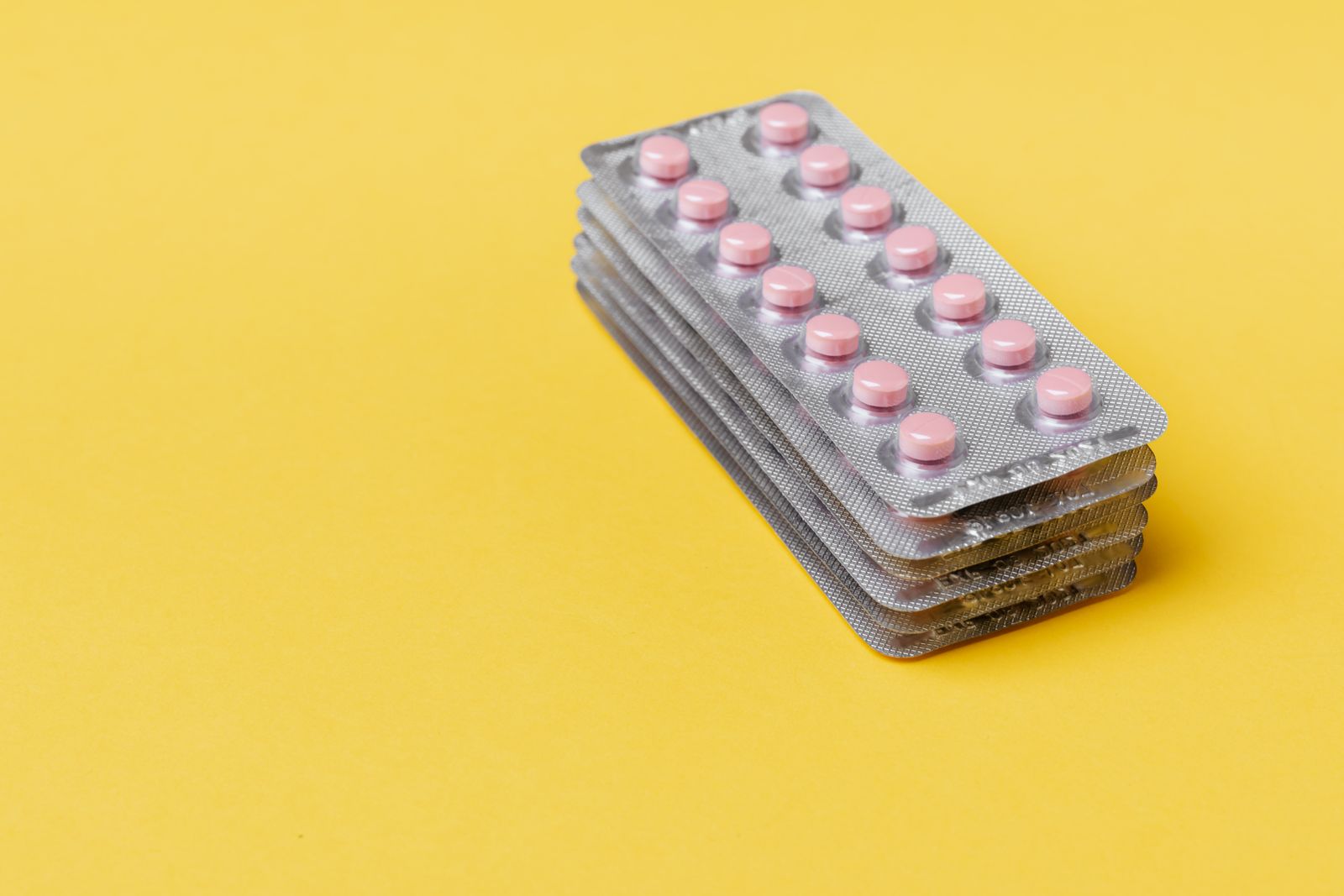

Leflox Tablet Uses, Dosage and Side Effects in Pakistan
- Leflox = levofloxacin 500 mg, a broad-spectrum fluoroquinolone antibiotic — prescription only
- Used for pneumonia, UTI, sinusitis, skin infections and prostatitis
- Once-daily dosing — one of the most convenient antibiotics for patients
- ⚠️ Tendon rupture risk — stop immediately if you get tendon pain during treatment
- Do NOT take with antacids, iron, calcium or zinc — reduces absorption by up to 90%
What Is Leflox?
Leflox is the brand name for levofloxacin 500 mg, a third-generation fluoroquinolone antibiotic manufactured by Barrett Hodgson Pakistan (Pvt) Ltd. Levofloxacin is the L-isomer of ofloxacin — a key structural refinement that doubles its potency against most organisms while significantly improving tolerability. It is available in 500 mg and 750 mg tablets and is one of the most prescribed antibiotics in Pakistan for respiratory and urinary tract infections.
Fluoroquinolones like levofloxacin are sometimes called "quinolone antibiotics" and represent a powerful class of drugs that work against a wide range of both Gram-positive and Gram-negative bacteria, including the atypical organisms (Mycoplasma, Chlamydia, Legionella) that other common antibiotics like amoxicillin cannot reliably cover. This "atypical coverage" is the main reason Leflox is the antibiotic of choice for community-acquired pneumonia in Pakistan.
| Generic name | Levofloxacin |
| Strengths available | 250 mg, 500 mg, 750 mg tablets |
| Drug class | Fluoroquinolone antibiotic (third-generation) |
| Mechanism | Inhibits bacterial DNA gyrase and topoisomerase IV |
| Spectrum | Gram-positive, Gram-negative, atypicals, some anaerobes |
| Brand in Pakistan | Leflox (Barrett Hodgson); Levorid, Lequin, Tavanic |
| Prescription required | Yes — prescription only |
| Dosing frequency | Once daily (major advantage) |
| Pakistan price | ~600–1,000 PKR for 7 tablets (500 mg brand) |
How Does Leflox Work?
Levofloxacin inhibits two essential bacterial enzymes: DNA gyrase (topoisomerase II) and topoisomerase IV. These enzymes are required for bacterial DNA replication, repair, transcription and recombination. By trapping these enzymes in a complex with DNA, levofloxacin causes double-strand breaks in bacterial DNA, leading to rapid bacterial death. This bactericidal mechanism means levofloxacin kills bacteria actively rather than just slowing their growth.
Levofloxacin exhibits concentration-dependent killing — meaning the higher the peak drug concentration relative to the minimum inhibitory concentration (MIC) of the target bacteria, the more bacteria are killed. This is the pharmacological basis for once-daily dosing at a full dose (500 mg or 750 mg) being more effective than splitting the dose across the day.
Leflox Uses in Pakistan
1. Community-Acquired Pneumonia (CAP)
Community-acquired pneumonia is one of the most common reasons for hospital admission in Pakistan. Levofloxacin covers the full range of organisms that cause CAP — Streptococcus pneumoniae, Haemophilus influenzae, Staphylococcus aureus, and critically the atypicals (Mycoplasma pneumoniae, Chlamydophila pneumoniae, Legionella pneumophila) that cause "walking pneumonia" and are not covered by amoxicillin or co-amoxiclav. For this reason, international and Pakistani guidelines support levofloxacin as monotherapy for CAP that requires hospitalisation or fails initial amoxicillin therapy. Typical dose: 500 mg once daily for 7–14 days.
2. Urinary Tract Infections (UTI)
Levofloxacin achieves very high concentrations in urine and kidney tissue, making it highly effective for both uncomplicated and complicated UTIs. It covers the most common UTI pathogens including E. coli, Klebsiella and Enterococcus. For uncomplicated UTI: 250 mg once daily for 3 days. For complicated UTI, pyelonephritis (kidney infection), or UTI in men (which is almost always complicated): 500 mg once daily for 10–14 days. Note: levofloxacin resistance in E. coli is rising rapidly in Pakistan due to overuse — a urine culture and sensitivity test is important before prescribing.
3. Acute Bacterial Sinusitis
Acute sinusitis caused by bacteria (typically after an initial viral upper respiratory infection that has not resolved in 10 days, or worsened after initial improvement) responds to levofloxacin when first-line antibiotics (amoxicillin-clavulanate) have failed or are not appropriate. Dose: 500 mg once daily for 10–14 days.
4. Skin and Soft Tissue Infections
Levofloxacin is used for complicated skin and soft tissue infections — particularly those caused by Gram-negative bacteria, or in patients who cannot tolerate beta-lactams. It is sometimes used in combination with metronidazole for mixed aerobic-anaerobic soft tissue infections. Dose: 500–750 mg once daily for 7–14 days.
5. Chronic Bacterial Prostatitis
Chronic bacterial prostatitis is a challenging condition to treat because most antibiotics penetrate the prostate poorly. Fluoroquinolones are the preferred class specifically because they achieve excellent prostatic tissue concentrations. Levofloxacin 500 mg once daily for 28 days is a first-line recommendation for chronic bacterial prostatitis in international guidelines.
6. Tuberculosis (Multi-Drug Resistant TB)
Levofloxacin is an important second-line drug for MDR-TB (multi-drug resistant tuberculosis) — a major public health issue in Pakistan. It is not used for drug-sensitive TB but forms the backbone of MDR-TB regimens when first-line drugs (isoniazid, rifampicin) fail.
Leflox Dosage in Pakistan
| Indication | Dose | Duration |
| Community-acquired pneumonia | 500 mg once daily | 7–14 days |
| Uncomplicated UTI (women) | 250 mg once daily | 3 days |
| Complicated UTI / pyelonephritis | 500 mg once daily | 10–14 days |
| Acute bacterial sinusitis | 500 mg once daily | 10–14 days |
| Skin and soft tissue infections | 500–750 mg once daily | 7–14 days |
| Chronic bacterial prostatitis | 500 mg once daily | 28 days |
| Kidney impairment | Dose reduction required — consult doctor | — |
Important timing: Take Leflox at the same time each day. Take 1 hour before or 2 hours after antacids, calcium, iron or zinc supplements. Can be taken with or without food (food does not affect absorption significantly). Drink plenty of water — stay well hydrated to prevent crystal formation in the urine.
Leflox Side Effects
Common:
- Nausea, diarrhoea, stomach discomfort — most common; take with food if needed
- Headache and dizziness
- Insomnia — take in the morning if this is a problem
- Skin sensitivity to sunlight — avoid prolonged sun exposure; use sunscreen
Serious (FDA Boxed Warning — Fluoroquinolone Class):
- Tendinitis and tendon rupture — particularly Achilles tendon. Risk is highest in patients over 60, on corticosteroids, with kidney/heart/lung transplants. Stop levofloxacin and rest the affected limb immediately if tendon pain, swelling or weakness develops.
- Peripheral neuropathy — tingling, burning, numbness in hands or feet. Can be permanent. Stop if this develops.
- CNS effects — seizures, psychosis, confusion (rare; risk higher in epileptics or patients on NSAIDs)
- QT interval prolongation — heart rhythm disturbance. Avoid in patients on other QT-prolonging drugs or with known long QT syndrome
- Clostridioides difficile colitis — severe bloody diarrhoea; seek emergency care
- Aortic aneurysm / dissection — rare but boxed warning exists in high-risk patients
Who Should NOT Take Leflox
- Children and adolescents under 18 — fluoroquinolones damage growing cartilage
- Pregnant and breastfeeding women — not recommended
- Known hypersensitivity to fluoroquinolones
- History of tendon disorders with fluoroquinolones
- Myasthenia gravis — fluoroquinolones can worsen neuromuscular blockade
- Epilepsy — lowers seizure threshold
- Severe kidney disease — dose adjustment required
Antibiotic Resistance Warning
Levofloxacin resistance in Pakistan is increasing rapidly, particularly in E. coli (the most common UTI organism). Self-prescribing Leflox for minor or viral infections is a major driver of this resistance. Fluoroquinolones should be reserved for infections where no safer alternative is appropriate — using them for minor throat infections, viral fever or self-limiting diarrhoea destroys their effectiveness for when they are genuinely needed for serious infections like pneumonia and pyelonephritis.
Have a chest infection, UTI or sinusitis and not sure which antibiotic is right? Chat with an Ilaaj AI doctor — get personalised advice in minutes.
Pakistan Brands of Levofloxacin
- Leflox (Barrett Hodgson Pakistan) — most prescribed brand
- Levorid (Sami Pharmaceuticals)
- Lequin (GlaxoSmithKline Pakistan)
- Tavanic (Sanofi) — original brand
- Multiple generic levofloxacin 500 mg tablets
Conclusion
Leflox (levofloxacin 500 mg) is one of the most powerful broad-spectrum antibiotics available in Pakistan — essential for pneumonia, complicated UTI, sinusitis and prostatitis. Its once-daily dosing makes it convenient, and its atypical organism coverage makes it irreplaceable for certain infections. However, it carries serious FDA-boxed warnings for tendon rupture and peripheral neuropathy that must be taken seriously. Never self-prescribe Leflox — antibiotic overuse is rapidly creating resistance that threatens its future effectiveness for life-threatening pneumonia.
Frequently Asked Questions
What is Leflox used for?
Leflox (levofloxacin 500mg) is used for pneumonia, urinary tract infections, sinusitis, skin infections and prostatitis. It is a broad-spectrum fluoroquinolone covering Gram-positive, Gram-negative and atypical bacteria.
How long should I take Leflox?
Duration varies by infection: pneumonia 7–14 days, uncomplicated UTI 3 days, complicated UTI 10–14 days, sinusitis 10–14 days, prostatitis 28 days. Always complete the full course.
Can I take Leflox with antacids?
No — do not take Leflox within 2 hours of antacids (aluminium/magnesium), calcium, iron or zinc supplements. These block levofloxacin absorption by up to 90%.
Can Leflox cause tendon problems?
Yes — fluoroquinolones including levofloxacin carry a boxed warning for tendinitis and tendon rupture, especially the Achilles tendon. Stop immediately and seek medical help if you develop tendon pain, swelling or difficulty moving a joint.
Is Leflox safe during pregnancy?
No — levofloxacin is not recommended in pregnancy or breastfeeding. Safer alternatives exist for most infections during pregnancy — consult your doctor.
Ilaaj AI is Pakistan's first AI-powered health platform. Chat about your symptoms in Urdu or English, get AI-powered triage, and receive doctor-verified prescriptions — affordable and accessible, 24/7.
Need Advice About Leflox?
Ask PMDC-registered doctors on Ilaaj AI — get a response in 5 minutes, in Urdu or English.