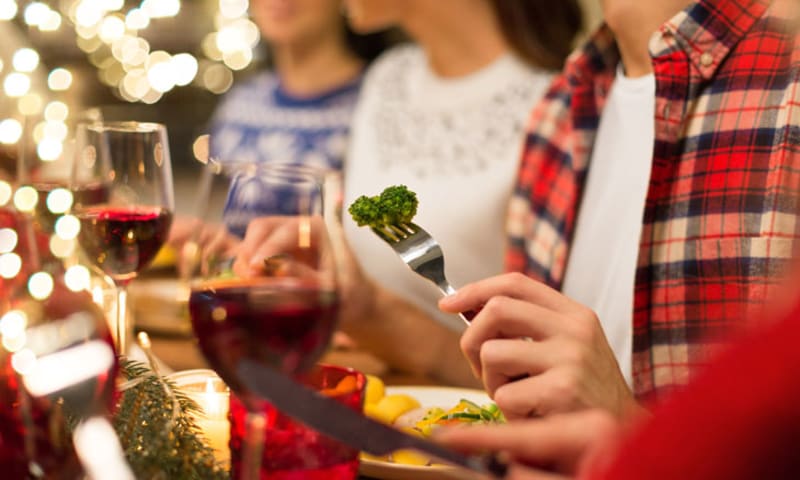

Healthy Eating During the Holidays
- Plan portions ahead — fill half your plate with vegetables and salads
- Pakistan ranks 8th globally for diabetes — holiday sweets matter
- Stay hydrated with water instead of sugary drinks like Rooh Afza
- Don't skip meals before gatherings — it leads to overeating
- Include traditional healthy options like daal, salad, and yogurt
The holidays are a joyful time of gathering family, sharing meals and celebrating traditions. But they also bring temptations of sugar-laden desserts, buttery sides and oversized portions. With a few smart strategies and a nourishing holiday recipe, you can enjoy the season without derailing your health goals.
| Urdu Name | صحت مند غذا (Sehat Mand Ghiza) |
| Key Concern | Overeating and weight gain during festive seasons |
| Common Triggers | Biryani, mithai, sugary drinks, late-night eating |
| Prevention | Portion control, balanced plates, staying hydrated |
| Emergency Signs | Severe indigestion, chest pain, blood sugar spikes |
| Pakistan Stat | 33M+ Pakistanis have diabetes — IDF Atlas |
Holiday Challenges — and How to Meet Them
- Balance rather than restrict.
"When people try to avoid all their holiday favorites, they often feel deprived and end up binge eating," says Dwight Fan, MD. "Starting with a plate of vegetables, lean proteins and whole grains can still create balance for a modest serving of dessert." - Watch portion sizes.
Use smaller plates or share a dessert. Aim for a two- to three-ounce portion of meat (about the size of your palm). Reserve space for vegetables and fiber-rich sides such as roasted Brussels sprouts, quinoa salad, lentils or wild rice pilaf. - Make smart swaps.
Choose roasted sweet potatoes instead of candied ones. Use Greek yogurt in place of heavy cream in sauces. Swap sugary drinks for sparkling water with a splash of fruit juice. - Prepare for social eating.
Eat a balanced snack (like apple slices with nut butter) beforehand so you don't arrive starved. Offer to bring a healthy dish so you know at least one item you can enjoy guilt-free. See below for one option! - Be mindful — not mindless.
Savor each bite. Turn off distractions, eat slowly and listen to your body's fullness cues. Also, when battling cravings, light exercise and water are your best friends!
Concerned about your health? Get doctor-verified advice from our AI assistant.
Chat with Ilaaj AI — FreeMindful Tips While Dining
- Begin with a salad or broth-based soup, so you eat fewer calorie-dense items later.
- Pause between courses – sip water, chat and let your meal pace naturally.
- If you fill your plate, leave space – don't press food to the edge.
- Importantly: if you overeat, don't view it as failure. It is okay to enjoy your holidays! Try to turn back to your healthy habits at the next meal.
A healthy holiday isn't about perfection – it's about choices and balance. You don't need to skip every festive treat – you just want to pair them wisely with nutritious foods and enjoy in moderation.
If you'd like personalized guidance, Bayhealth's outpatient dietitians are available to help. To make an appointment with an outpatient dietitian at either Kent or Sussex Campus, call Bayhealth Outpatient Nutrition Services at 302-744-6828.
We wish you a season filled with warmth, connection and good food.
A Healthy Holiday Recipe: Baked Apple Crisp with Oat Topping
This version is lighter, uses less sugar and still satisfies a seasonal sweet craving.
Ingredients (makes about 8 servings):
- 6 medium apples (such as Honeycrisp or Granny Smith), peeled, cored, sliced
- 1 tablespoon lemon juice
- ¼ cup maple syrup
- 1 teaspoon ground cinnamon
- ½ teaspoon ground nutmeg
- 1 cup old-fashioned oats
- ½ cup chopped walnuts or pecans
- 2 tablespoons whole wheat flour
- 2 tablespoons melted coconut oil or light butter
- A pinch of salt
Directions:
- Preheat oven to 350°F.
- In a bowl, toss apple slices with lemon juice, maple syrup, cinnamon and nutmeg. Spread into a baking dish.
- In another bowl, combine oats, nuts, whole wheat flour, melted oil (or butter) and salt. Mix until crumbly.
- Sprinkle oat mixture over apples evenly.
- Bake 35 to 40 minutes until apples are tender and topping is golden brown.
- Serve warm – plain or with a small scoop of lower-fat vanilla Greek yogurt or frozen vanilla dessert (about ½ cup).
Notes:
• Using oats and nuts adds fiber and healthy fats, which slow digestion and promote fullness
• Reducing added sugar (compared with traditional crisp) keeps calories in check
• Portion control lets you enjoy dessert without overindulging
Frequently Asked Questions
How can I control portions during festive meals in Pakistan?
Which Pakistani festive foods are the healthiest choices?
Does eating sweets during Eid increase diabetes risk for Pakistanis?
What should I drink instead of sugary drinks at holiday gatherings?
Should I skip meals before a big holiday feast?
How do I get back on track after overeating during a holiday?
Ilaaj AI is Pakistan's first AI-powered health platform. Chat about your symptoms in Urdu or English, get AI-powered triage, and receive doctor-verified prescriptions — affordable and accessible, 24/7.
Need Health Advice?
Chat with our AI health assistant in any language. Get doctor-verified prescriptions at affordable rates.