
Dengue Fever Symptoms — Signs, Treatment and Prevention Pakistan
- Dengue is a viral infection transmitted by Aedes mosquitoes
- Peak season in Pakistan is August–November
- Classic symptoms: high fever, severe headache, joint and muscle pain
- Use Panadol only — Brufen and Aspirin are strictly prohibited
- Platelet count below 100,000 requires hospital monitoring
What Is Dengue Fever?
Dengue is a viral infection spread by the bites of Aedes aegypti and Aedes albopictus mosquitoes. In Pakistan, it peaks from August to November — following the monsoon season when mosquito breeding increases dramatically.
| Peak season | August–November (post-monsoon) |
| High-risk cities | Karachi, Lahore, Rawalpindi, Faisalabad |
| Annual cases | 10,000–50,000+ depending on the year |
| Mortality (without treatment) | 1–5%; with proper care < 1% |
| Re-infection | Possible with a different strain — often more severe |
Identifying the Dengue Mosquito
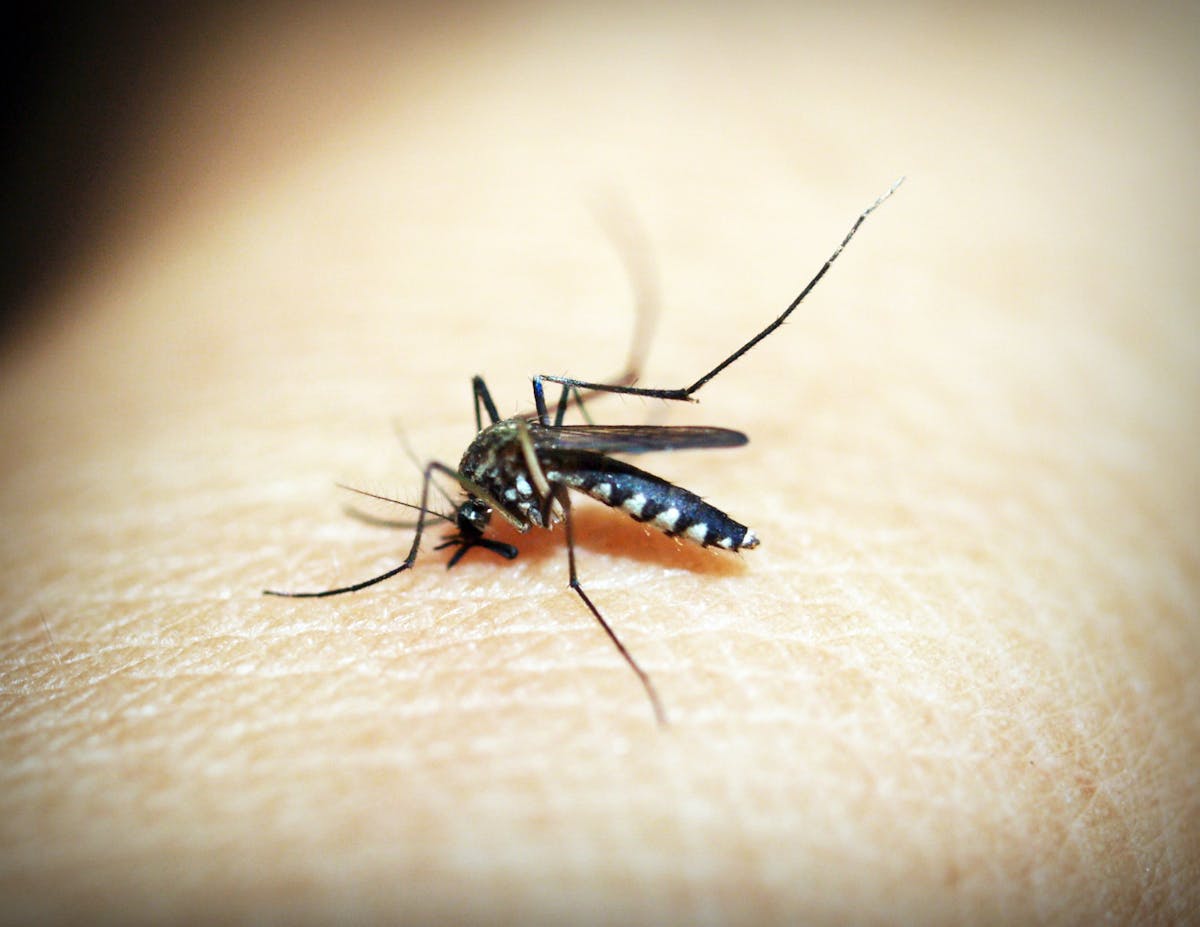
- Aedes aegypti: Black with distinctive white stripes
- Daytime biters (peak activity at dawn and dusk)
- Breeds in clean stagnant water — flower vases, water tanks, AC drip trays
- More prevalent in urban environments
Classic Dengue Symptoms
Phase 1 — Febrile Phase (Days 1–7):
- Sudden very high fever 102–105°F
- Very severe headache (especially behind the eyes)
- Intense joint and muscle pain ("breakbone fever")
- Bone pain
- Nausea and vomiting
- Loss of appetite
- Red skin rash (in some cases)
- Red eyes
- Swollen lymph glands
Phase 2 — Critical Phase (Days 3–7):
After the fever drops, some patients enter a critical phase that can be life-threatening:
- Abdominal pain
- Persistent vomiting
- Bleeding from nose or gums
- Bruising on the skin
- Blood in stool
- Unusual drowsiness or restlessness
- Cold and clammy skin
- Shortness of breath
These are signs of Dengue Haemorrhagic Fever or Dengue Shock Syndrome — a medical emergency.
Phase 3 — Recovery (Days 7–10):
- Symptoms gradually improve
- Energy slowly returns
- A recovery rash may appear on the skin
- Fatigue can persist for weeks
Diagnosis
Diagnostic Tests:
- NS1 antigen test: Effective in the first 5 days
- IgM/IgG antibodies: Accurate from day 5 onwards
- CBC (Complete Blood Count): Platelet count is critical
- Haematocrit: To detect plasma leakage
Platelet Count Guide:
| Platelet Count | Action |
| 150,000–450,000 | Normal |
| 100,000–150,000 | Monitor closely — daily CBC |
| 50,000–100,000 | Consider hospital admission |
| 20,000–50,000 | Hospital admission — high bleeding risk |
| Below 20,000 | Critical — platelet transfusion required |
Treatment for Dengue Fever
No Specific Cure — Supportive Care Only:
There is no specific antiviral treatment for dengue. Management focuses on:
- Fever control
- Hydration
- Pain relief
- Close monitoring
- Management of complications
Use Panadol Only!
CRITICAL: In dengue fever, use only Paracetamol (Panadol).
STRICTLY AVOID:
- Ibuprofen (Brufen) — increases bleeding risk
- Aspirin (Disprin) — increases bleeding risk; causes Reye's syndrome
- Diclofenac (Voltral) — causes kidney damage
- Mefenamic acid (Ponstan) — NSAID, avoid
- Arinac Forte — contains ibuprofen
- Any NSAID pain reliever
Panadol dose: 500–1000 mg every 6 hours, maximum 4 grams per day.
Hydration Is Critical:
- Large amounts of water
- ORS (oral rehydration salts)
- Coconut water
- Fresh fruit juices
- Chicken broth
- Target 2–3 litres of fluids per day
Recommended Foods:
- Papaya (papaya leaf juice is a traditional remedy — limited evidence but considered safe)
- Pomegranate
- Kiwi
- Citrus fruits (vitamin C)
- Soft, easy-to-digest foods
- Khichri (rice and lentil porridge)
Rest:
Complete bed rest for 7–10 days, then gradual return to activity.
Suspect dengue? Get guidance on lab tests and a monitoring plan from a doctor on Ilaaj AI — from home.
Chat with AI Doctor NowWarning Signs — When to Go to Hospital
Go to ER Immediately If:
- Severe abdominal pain
- Persistent vomiting (3 or more times)
- Bleeding from nose or gums
- Blood in stool or black tarry stool
- Blue or red spots on the skin
- Unusual drowsiness or restlessness
- Cold and clammy hands and feet
- Shortness of breath
- Loss of consciousness
- Reduced or absent urination
- Platelet count below 50,000
- Any pregnant woman with fever — go immediately
- Infants under 1 year or elderly people over 65 — higher risk category
Preventing Dengue
Mosquito Bite Prevention:
- Mosquito repellent: DEET-based (Odomos, Off!)
- Long sleeves and long trousers
- Mosquito coils or electric repellent devices
- Window screens
- Bed nets — especially for children and the elderly
- Use air conditioning — mosquitoes avoid cooler air
- Avoid going outdoors at dawn and dusk (peak biting times)
Eliminating Breeding Sites:
- Remove all stagnant water:
- Flower vases (change water weekly)
- AC drip trays
- Roof water tanks (keep covered)
- Old tyres
- Garden buckets and containers
- Bird baths
- Clear blocked drains
- Prevent water collection at construction sites
- Remove water containers from cemeteries
Community Action:
- Neighbourhood clean-up drives
- Support government fogging operations
- Awareness campaigns
- Education in schools
Re-infection and Severe Dengue
There are 4 different dengue strains (DENV 1–4). After infection with one strain, you have permanent immunity to that strain only — but:
- Re-infection with a different strain is possible
- Second infections are often more severe (Antibody-Dependent Enhancement)
- All 4 strains circulate in Pakistan
- If you have had dengue before, be extra cautious
Dengue Vaccine
Dengvaxia vaccine exists but is not in routine use in Pakistan:
- Only for people aged 9–45 years
- Safe only if a previous dengue infection has been confirmed
- May increase risk of severe dengue in those with no prior infection
- WHO conditional recommendation only
Dengue vs Other Fevers
| Feature | Dengue | Typhoid | Malaria | Viral Flu |
| Onset | Sudden | Gradual | Periodic | Gradual |
| Fever | 102–105°F | Step-ladder pattern | Spikes with chills | 99–102°F |
| Joint pain | Severe | Mild | Mild | Mild |
| Eye pain | Behind eyes | No | No | No |
| Rash | Yes (50%) | Rose spots | No | No |
| Bleeding risk | YES | No | No | No |
| Treatment | Supportive only | Antibiotics | Anti-malarials | Supportive |
Dengue in Pregnancy
- Higher risk of severe dengue
- Increased bleeding complications during delivery
- Risk of pre-term labour
- Vertical transmission to the baby is possible
- Hospital admission is almost always required
- Use only paracetamol (Panadol)
Conclusion
Dengue is Pakistan's seasonal public health crisis affecting tens of thousands every year. Use only Panadol, maintain high fluid intake, and monitor platelet counts regularly. Go to hospital immediately for warning signs (abdominal pain, vomiting, bleeding). Prevention is most important — avoid mosquito bites and eliminate all breeding sites. Consult a doctor on Ilaaj AI for lab test guidance and monitoring plans from home.
Frequently Asked Questions
What are the early symptoms of dengue fever?
Within the first 24–48 hours: sudden severe fever 102–105°F, very severe headache (especially behind the eyes), intense joint and muscle pain ("breakbone fever"), nausea, vomiting, and loss of appetite. A red skin rash appears in 50% of cases. In Pakistan, maintain high suspicion from August to November. Seek doctor consultation and an NS1 antigen test within 24–48 hours of symptoms.
What should I eat during dengue fever?
Hydration is the most important factor — plenty of water, ORS, coconut water, fruit juices, chicken broth. Soft easy-to-digest foods: khichri, yoghurt, soups. Vitamin C-rich fruits: pomegranate, kiwi, citrus. Papaya is a traditional remedy (limited evidence but safe). Aim for 2–3 litres of fluids per day. Use only Panadol — Brufen, Aspirin, and Voltral are strictly prohibited.
When is the platelet count dangerous in dengue?
Normal platelet count is 150,000–450,000. In dengue: 100,000–150,000 = monitor closely with daily CBC. 50,000–100,000 = consider hospital admission. 20,000–50,000 = hospital, high bleeding risk. Below 20,000 = critical, platelet transfusion required. However, clinical signs (abdominal pain, persistent vomiting, bleeding) must also be considered — go to hospital immediately if these occur.
How can I prevent dengue fever?
Mosquito bite prevention: Use DEET-based repellent (Odomos), wear long sleeves and trousers, use bed nets and mosquito coils, use air conditioning. Eliminate breeding sites: remove stagnant water from flower vases, AC drip trays, water tanks, and old tyres. Aedes mosquitoes are daytime biters (peak at dawn and dusk). Be extra cautious during Pakistan's peak season of August–November. Participate in community clean-up drives.
When should I go to hospital for dengue?
Go to the ER immediately if you have: severe abdominal pain, persistent vomiting (3+ times), bleeding from nose or gums, blood in stool, blue or red spots on skin, drowsiness, cold clammy skin, shortness of breath, loss of consciousness, decreased urination, or platelet count below 50,000. Pregnant women, infants under 1 year, and elderly people over 65 should go to hospital for any dengue suspicion. These are warning signs of Dengue Haemorrhagic Fever or Dengue Shock Syndrome.
Ilaaj AI is Pakistan's first AI-powered health platform. Chat about your symptoms in Urdu or English, get AI-powered triage, and receive doctor-verified prescriptions — affordable and accessible, 24/7.
Need Health Advice?
Chat with our AI health assistant in any language. Get doctor-verified prescriptions at affordable rates.