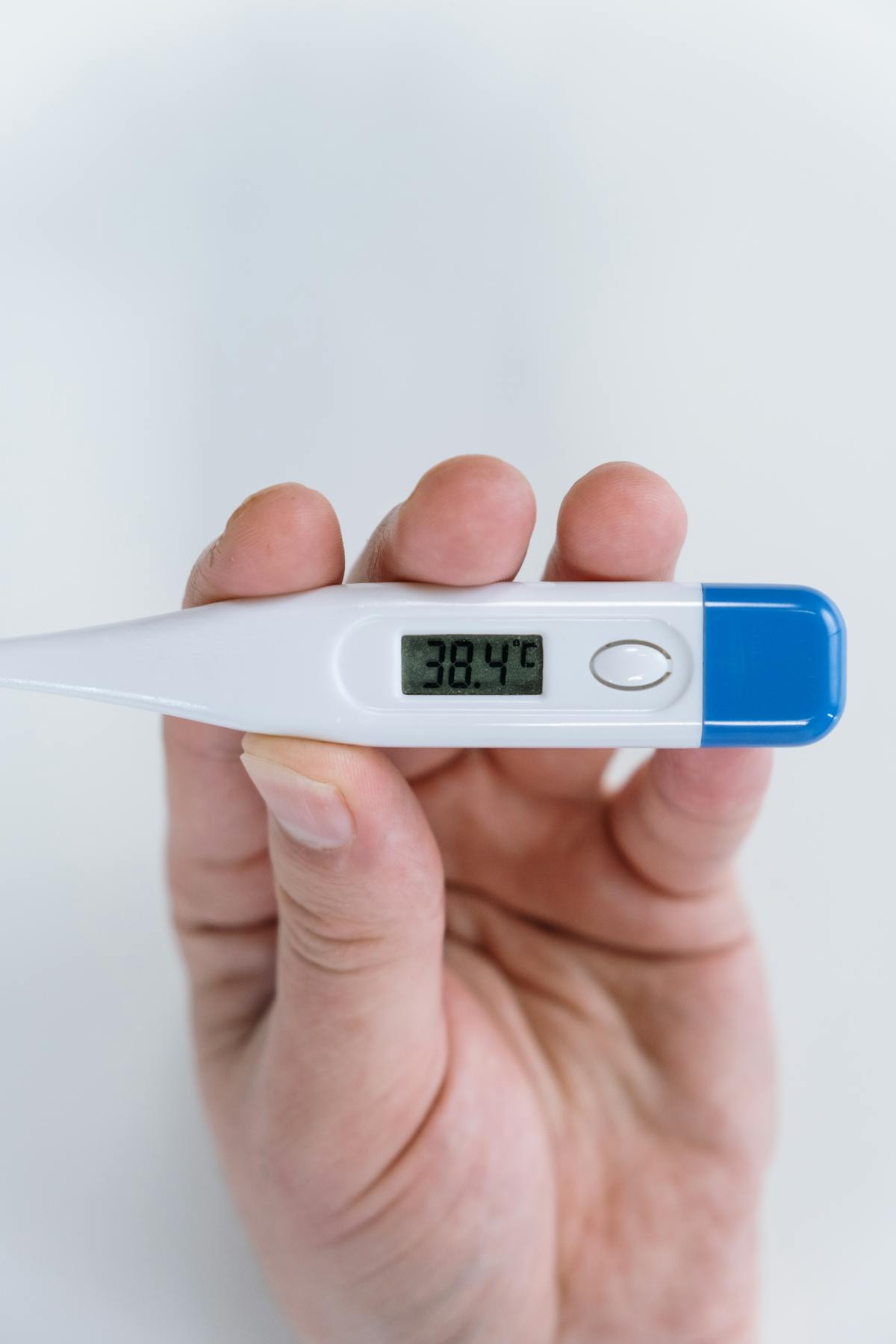

Fever Treatment — Causes, Symptoms and Treatment in Pakistan
- Fever is defined as a temperature above 100°F (37.8°C)
- Seasonal viral fever resolves on its own within 3–5 days
- Dengue requires a platelet check — common in Karachi and Lahore
- A full antibiotic course is essential for typhoid
- Fever above 102°F in children lasting more than 3 days requires a doctor
What Is Fever?
Fever occurs when your body temperature rises above 100°F (37.8°C). It is not a disease — it is your immune system's defense response against infection. However, understanding the cause of the fever is important because each type requires a different treatment.
| Seasonal Viral Fever | At seasonal change, resolves within 3–5 days |
| Dengue | Mosquito-borne, common in summer and monsoon |
| Typhoid | From contaminated water/food, very common in Pakistan |
| Malaria | Mosquito-borne, more common in KP and Sindh |
| Bacterial Throat / UTI | Requires antibiotic treatment |
Common Symptoms of Fever
- Body feels hot, chills
- Headache, body aches
- Loss of appetite
- Fatigue and weakness
- Sweating, excessive thirst
- Irritability in children, reduced feeding
Seasonal Viral Fever Treatment
In Pakistan, seasonal fever is very common at weather changes (March–April and September–October). It usually resolves on its own within 3–5 days.
Home Remedies:
- Drink plenty of fluids — soup, juice, ORS
- Rest; do not go to work (others can catch the infection)
- Apply a cool damp cloth to the forehead (sponging)
- Eat lightly — lentil soup (dal), khichri, broth
- Ginger, honey, and lemon tea
Medicine:
- Paracetamol (Panadol): 500–1000 mg every 6 hours — safest option
- Brufen 400 mg: if Panadol is not sufficient, but not on an empty stomach
- Antibiotics: useless for viral fever — take only on a doctor's prescription
Dengue Fever — Especially Common in Pakistan
Dengue presents with sudden high fever (104°F+), pain behind the eyes, severe joint pain ("breakbone fever"), and a skin rash. In Pakistan, cases are highest in Karachi, Lahore, and Rawalpindi from August to November.
What to do in dengue:
- Get a CBC (complete blood count) test — check platelet count
- Take only Paracetamol — Brufen, Aspirin, and Disprin must not be taken (risk of bleeding)
- Drink plenty of water and ORS
- If platelets fall below 100,000, go to hospital
- Nosebleeds, gum bleeding, or bruising on the body = emergency
Suspecting dengue? Consult a doctor on Ilaaj AI right now — the doctor will prescribe the correct lab tests and medicine.
Chat with AI Doctor NowTyphoid Treatment
Typhoid is very common in Pakistan, especially in summer. The cause is usually contaminated water or eating outside food. Initial symptoms resemble flu — fever, headache, weakness — but the fever gradually increases day by day.
Typhoid diagnosis: A doctor orders a Typhidot or blood culture test. Once confirmed, a 7–14 day antibiotic course is essential. Stopping the course midway is dangerous — the bacteria become resistant.
XDR typhoid in Pakistan is a serious problem — standard antibiotics no longer work in many cases. This is why a doctor's diagnosis is essential before starting any antibiotic.
Malaria Treatment
Malaria has a regular fever pattern — severe fever every 2–3 days, followed by chills then sweating. It is more common in KP, Balochistan, and rural Sindh. Confirmed by a blood test (MP slide). Anti-malarial medicines (chloroquine or artemisinin combinations) require a doctor's prescription.
Fever in Children
Take special care with children:
- Any baby under 3 months with a temperature of 100.4°F+ = go to ER immediately
- Calpol syrup is the safest for children — dose depends on weight
- Brufen syrup is acceptable for children above 6 months
- Do not give Aspirin at all — risk of Reye's syndrome
- Sponge with lukewarm (warm) water, not cold water
- Continue breastfeeding and give fluids
- If febrile seizures occur, lay the baby on their side, put nothing in the mouth, and take them to hospital
When to See a Doctor Immediately
- Fever above 102°F lasting more than 3 days
- Difficulty breathing
- Stiff neck or eyes sensitive to light (meningitis)
- Seizures
- Urination stops or decreases significantly
- Blue or red spots on the body
- Confusion or loss of consciousness
- Nosebleeds or gum bleeding
- Any fever in pregnant women or immunocompromised patients
Fever Prevention
- Drink filtered or boiled water, especially in summer
- Avoid open street food and drinks
- Protect against mosquitoes — nets, repellent, full sleeves
- Make handwashing a habit
- The typhoid vaccine is recommended for children
- Get an annual flu shot (available in Pakistan)
Conclusion
Not every fever is cured by antibiotics — antibiotics are harmful in viral fever. Start with rest, fluids, and Panadol. If there is no improvement after 3 days or symptoms become more serious, consult a doctor on Ilaaj AI. The AI will provide a structured analysis of your symptoms and a licensed doctor will recommend the correct tests and treatment — in just a few minutes.
Frequently Asked Questions
What is the best tablet for fever in Pakistan?
For adults, Paracetamol (Panadol) 500–1000 mg every 6 hours is the safest option. Brufen 400 mg is also effective but should not be taken on an empty stomach. If dengue is suspected, take only Panadol — Brufen, Aspirin, and Disprin increase the risk of bleeding. Do not start antibiotics on your own.
What should you give children for fever?
Calpol syrup is the safest choice for children. The dose depends on weight (15 mg/kg every 6 hours). Any fever in a baby under 3 months is an emergency — take them to a doctor immediately. Never give Aspirin to children. Sponge with lukewarm (not cold) water. Continue breastfeeding and give plenty of fluids.
What are the symptoms of dengue fever?
Sudden high fever (104°F+), headache (especially behind the eyes), severe pain in joints and muscles, a skin rash, and vomiting are the classic symptoms of dengue. In Pakistan, August to November is peak dengue season. Get a CBC test to check platelet count. Use only Panadol — NSAIDs (Brufen, Aspirin) are absolutely contraindicated.
How many days does typhoid fever take to recover?
Typhoid recovers with a 7–14 day course of antibiotics. Stopping the course midway is dangerous — the bacteria become resistant, and XDR typhoid is a serious problem in Pakistan. Get a diagnosis (Typhidot or blood culture) from a doctor before starting the correct antibiotic. Fluids, rest, and a light diet are essential.
What should you eat during fever?
Eat light, easily digestible food: broth (chicken or vegetable soup), khichri, dal, boiled eggs, bananas, yogurt. Drink plenty of water, ORS, and orange or citrus juice. Avoid spicy, fried, and heavy food. Keep giving children milk and fluids. If you have no appetite, small amounts are fine — fluids are the priority.
Ilaaj AI is Pakistan's first AI-powered health platform. Chat about your symptoms in Urdu or English, get AI-powered triage, and receive doctor-verified prescriptions — affordable and accessible, 24/7.
Need Health Advice?
Chat with our AI health assistant in any language. Get doctor-verified prescriptions at affordable rates.