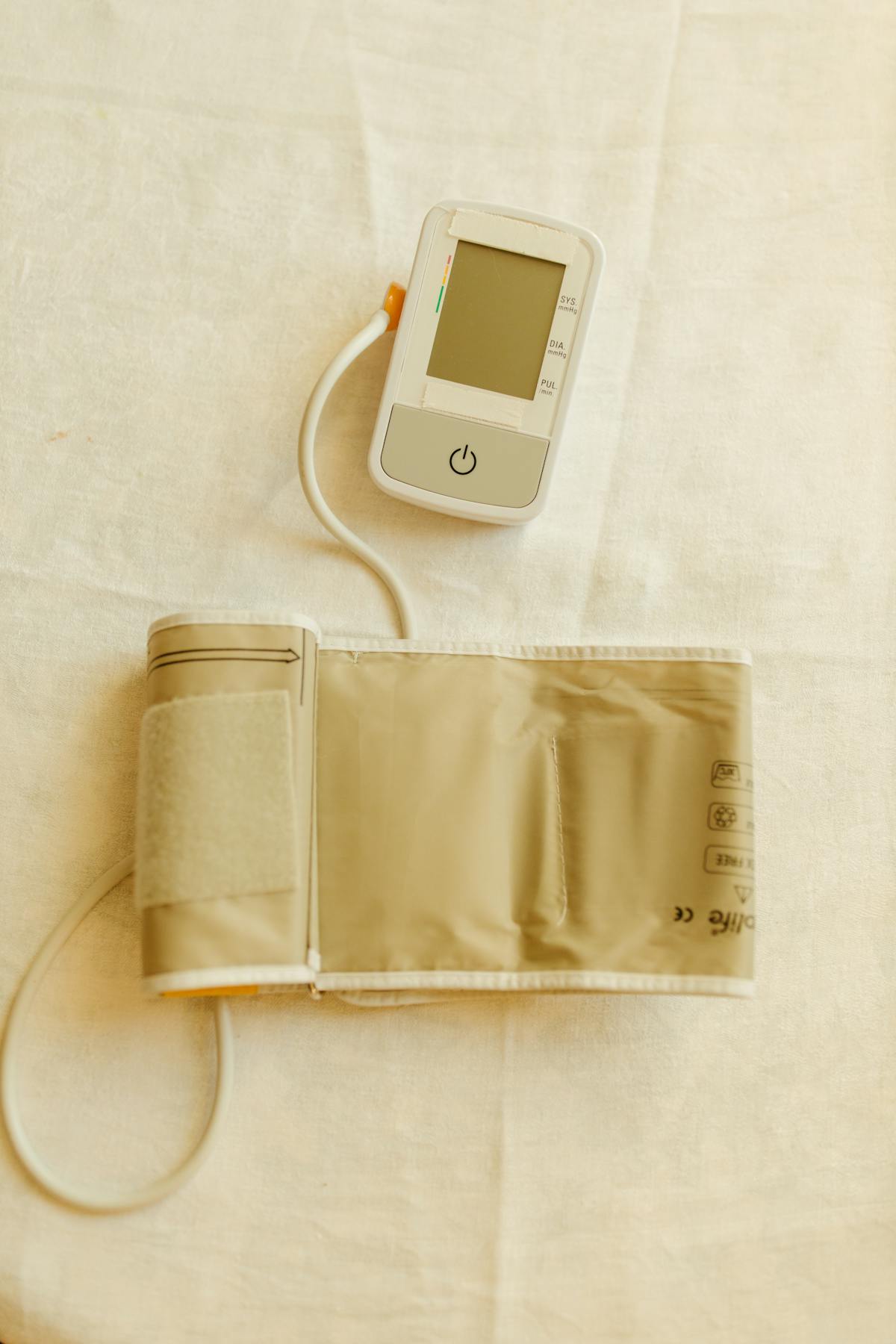

What is Blood Pressure — Complete Guide to Hypertension in Pakistan
- Blood pressure is the force your blood exerts on the walls of your arteries
- Normal: 120/80 mmHg
- High BP (Hypertension): 130/80+ or 140/90+
- 50% of high BP cases in Pakistan are undiagnosed
- "Silent killer" — the leading cause of heart attack and stroke
What is Blood Pressure?
Blood pressure (BP) is the force that your blood exerts against the walls of your arteries as the heart pumps. It is measured as two numbers:
Two Numbers:
- Systolic (top number): Pressure when the heart contracts (when it beats)
- Diastolic (bottom number): Pressure when the heart is at rest (between beats)
Example: In 120/80 mmHg, 120 is systolic, 80 is diastolic, and mmHg = millimeters of mercury (the unit of measurement).
| Normal | Below 120/80 mmHg |
| Elevated (Pre-hypertension) | 120–129 systolic, below 80 diastolic |
| Stage 1 Hypertension | 130–139 / 80–89 |
| Stage 2 Hypertension | 140+ / 90+ |
| Hypertensive Crisis | 180+ / 120+ — Emergency |
| Hypotension (Low BP) | Below 90/60 mmHg |
The Blood Pressure Crisis in Pakistan
- 33% of the adult population has high blood pressure
- 50% of those affected are undiagnosed
- Only 20% have it controlled (within the normal range)
- The single top risk factor for heart attack
- The most common cause of stroke
Why Is It Called the "Silent Killer"?
High BP is called the silent killer because 95% of people have no symptoms until serious damage has already occurred:
- Heart attack
- Stroke
- Kidney failure
- Eye damage (retinopathy)
- Heart failure
It silently causes damage over years — which is why regular screening is essential.
Types of Hypertension
1. Primary (Essential) Hypertension — 90% of Cases
No specific cause can be identified. Multiple contributing factors:
- Genetics
- Lifestyle
- Diet (excess salt)
- Stress
- Age
2. Secondary Hypertension — 10% of Cases
A specific underlying cause:
- Kidney disease
- Adrenal gland tumours
- Thyroid problems
- Sleep apnoea
- Birth control pills
- Certain medications (steroids, NSAIDs)
- Pregnancy (gestational hypertension)
Risk Factors
Modifiable (Within Your Control):
- Excess salt — Pakistani diets average 12+ grams daily (recommended: under 5)
- Overweight / obesity
- Physical inactivity
- Smoking and paan/chalia use
- Stress
- Alcohol
- High cholesterol
- Diabetes
Non-Modifiable:
- Genetics / family history
- Age (risk increases after 40)
- Ethnicity (South Asians at higher risk)
- Gender (men under 55 at higher risk; women over 65 at higher risk)
Symptoms of High BP (Usually None)
Most people have no symptoms. However, these may occasionally occur:
- Headache (especially at the back of the neck, in the morning)
- Dizziness
- Nosebleeds
- Shortness of breath
- Tightness in the chest
- Blood spots in the eyes
- Fatigue
- Confusion (in severe cases)
Symptoms of Hypertensive Crisis (180/120+):
- Severe, intense headache
- Chest pain
- Extreme shortness of breath
- Weakness on one side of the body
- Blurred vision
- Loss of consciousness
Call 1122 or go to the ER immediately!
How to Measure Blood Pressure Correctly
Before Measurement:
- Avoid caffeine, smoking, and exercise for 30 minutes beforehand
- Empty your bladder
- Rest for 5 minutes
- Sit quietly
During Measurement:
- Sit in a chair with your back supported
- Feet flat on the floor
- Arm at heart level on a table
- Cuff on bare skin (no clothing underneath)
- Ensure the cuff is the correct size
- Do not talk during the measurement
Multiple Readings:
- Take 2–3 readings, 1 minute apart
- Record the average
- Morning and evening for 1 week
- A single high reading is not sufficient for diagnosis
Want to monitor your blood pressure regularly, or have been diagnosed with high BP? Chat with a cardiologist on Ilaaj AI — a monitoring plan from home.
Chat with AI Doctor NowComplications of High BP
Heart:
- Heart attack
- Heart failure
- Atrial fibrillation
- Coronary artery disease
Brain:
- Stroke (number 1 cause)
- Dementia
- Mini-strokes (TIA)
Kidneys:
- Kidney damage
- Kidney failure
- The top cause of dialysis in Pakistan
Eyes:
- Retinopathy
- Vision loss
Sexual Function:
- Erectile dysfunction
- Reduced libido
Low Blood Pressure (Hypotension)
BP below 90/60 mmHg = low BP. Common in:
- Athletes (often normal)
- Pregnancy (usually safe)
- Dehydration
- Severe blood loss
- Heart problems
- Endocrine disorders (Addison's disease, hypothyroidism)
- Severe infections (sepsis)
- Allergic reactions
- Medications (BP drug overdose)
Symptoms of Low BP:
- Dizziness, especially when standing up
- Fainting
- Blurred vision
- Nausea
- Fatigue
- Difficulty concentrating
- Sweating
Blood Pressure in Pregnancy
BP changes during pregnancy:
- BP may drop slightly in the 2nd trimester
- Returns to normal in the 3rd trimester
- Pre-eclampsia: 140/90+ during pregnancy — serious, see a doctor immediately
- Symptoms: headache, blurred vision, swelling of hands and feet, upper abdominal pain
Blood Pressure and Pakistan
Why is high BP epidemic in Pakistan?
- Diet: Pickles (achaar), pappadums (papar), salted biscuits, fast food — all high in sodium
- Sedentary lifestyle
- Stress: Economic and family pressures
- Smoking and paan culture
- Low awareness
- Genetic predisposition
Diagnosis and Monitoring
Initial Diagnosis:
A single reading is not enough. 2–3 separate visits or home monitoring for 1 week:
- Average BP above 130/80 = consider Stage 1 hypertension
- Average BP above 140/90 = Stage 2
- Lab tests: kidney function, electrolytes, lipid profile, blood sugar, urine
White Coat Hypertension:
BP rises in a doctor's clinic (from anxiety) but is normal at home. Use a home BP monitor. This is common in Pakistan.
Prevention
- Keep salt below 5 grams per day
- DASH diet (Dietary Approaches to Stop Hypertension)
- Walk 30 minutes daily
- Maintain a healthy weight
- Stop smoking
- Manage stress
- Regular sleep
- Annual BP check from age 18 onwards
- Limit caffeine
Conclusion
Blood pressure is a vital sign of your health. High BP — the "silent killer" — affects 33% of people in Pakistan, yet 50% are unaware of it. With regular screening, lifestyle changes, and medication when necessary, it is completely manageable. An annual BP check, especially from age 30 onwards, can be life-saving. Chat with a cardiologist on Ilaaj AI for consultation and BP monitoring guidance from home.
Frequently Asked Questions
What is normal blood pressure?
Normal BP is below 120/80 mmHg. 120–129/below 80 = elevated (pre-hypertension). 130–139/80–89 = Stage 1 hypertension. 140/90+ = Stage 2. 180/120+ = hypertensive crisis (emergency). Low BP is below 90/60. A single reading is not enough for diagnosis — multiple readings over 1 week are required.
What are the symptoms of high blood pressure?
95% of people have no symptoms — that is why it is called the "silent killer". Occasionally: headache (especially at the back of the neck, in the morning), dizziness, nosebleeds, shortness of breath, chest tightness, blood spots in the eyes, fatigue. In hypertensive crisis (180/120+): severe headache, chest pain, shortness of breath, weakness, blurred vision, loss of consciousness — go to the ER immediately. Annual screening is essential from age 18 onwards.
What is the correct technique for measuring blood pressure?
Before: Avoid caffeine, smoking, and exercise for 30 minutes. Empty your bladder. Rest for 5 minutes. During: Sit in a chair with your back supported, feet flat on the floor, arm at heart level on a table, cuff on bare skin (correct size), do not talk. Multiple readings: 2–3 readings 1 minute apart, take the average. Morning and evening for 1 week gives the most accurate diagnosis.
Is high blood pressure genetic?
Yes, the genetic component is strong. If a direct relative (parent, sibling) has high BP, your risk doubles. If both parents have it, the risk is significantly higher. South Asian ancestry carries a 2 times higher baseline risk than Europeans. However, lifestyle factors (weight, salt intake, exercise, smoking, stress) interact with genes — prevention is possible even for high-risk individuals. A healthy lifestyle can reduce risk by 50% or more.
Is low blood pressure dangerous?
Low BP (below 90/60) is safe for most people if there are no symptoms. It is normal in athletes. However, if sudden symptoms occur (dizziness, fainting, blurred vision, nausea), investigate the cause: dehydration, blood loss, heart problems, endocrine disorders, sepsis, or BP medication overdose. A slight drop is normal in the 2nd trimester of pregnancy. Go to the ER for severe symptoms or loss of consciousness.
Ilaaj AI is Pakistan's first AI-powered health platform. Chat about your symptoms in Urdu or English, get AI-powered triage, and receive doctor-verified prescriptions — affordable and accessible, 24/7.
Need Health Advice?
Chat with our AI health assistant in any language. Get doctor-verified prescriptions at affordable rates.